
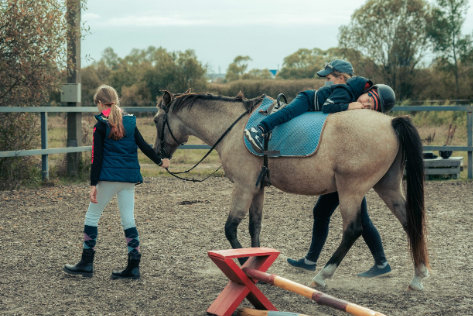
Disability Horse Riding: Unlocking Freedom and Joy
Horse riding is a thrilling activity that transcends age and ability. For individuals with disabilities, riding can be a gateway to physical, emotional, and social benefits. This blog post aims to share insights about disability horse riding, highlighting its advantages, specialized programs, and the powerful connection formed between riders and horses.
Benefits of Disability Horse Riding
Engaging in horse riding offers numerous benefits for individuals with disabilities. Not only does it provide an excellent form of exercise, helping to improve strength, balance, and coordination, but it also promotes enhanced mental well-being. The rhythmic movement of riding can have a therapeutic effect, alleviating symptoms of anxiety or depression. Additionally, being around horses helps build self-confidence and encourages social interaction, creating a supportive community for riders and their families.
Specialized Programs for Adaptive Riding
Many organizations worldwide offer specialized programs designed to adapt horse riding for individuals with various disabilities. These adaptive riding programs typically include trained instructors, specially trained horses, and the use of assistive equipment to ensure safety and comfort. Programs such as Therapeutic Riding and Hippotherapy focus on using riding as a form of therapy, catering to individual needs and goals. These initiatives aim to create an inclusive environment where riders can enjoy the experience of horseback riding, regardless of their physical or cognitive challenges.
The Human-Horse Connection
One of the most compelling aspects of disability horse riding is the connection formed between the rider and the horse. Horses are incredibly intuitive animals, often able to sense human emotions and respond with empathy. This bond can be especially meaningful for individuals with disabilities, offering a sense of companionship and unconditional support. Riders often report feelings of freedom and empowerment when they are on horseback, as they temporarily overcome physical limitations. This unique connection not only enhances the riding experience but also enriches the rider’s overall quality of life.
In conclusion, disability horse riding is more than just a recreational activity; it embraces the potential for growth, healing, and joy. Whether you or someone you know is interested in exploring this transformative experience, consider reaching out to local riding programs to learn more. The journey of horse riding could be a stepping stone toward a fulfilling adventure filled with friendships, confidence, and new opportunities.