Dynamic Equestrian: Elevating Your Riding Experience
Equestrian sports have long been celebrated for their beauty, skill, and grace. However, embracing the concept of dynamic equestrian can significantly enhance both rider and horse performance, creating a more fulfilling partnership. This approach emphasizes adaptability, responsiveness, and proactive training methods that make riding not just a sport, but a harmonious relationship with the horse.
Understanding Dynamic Equitation
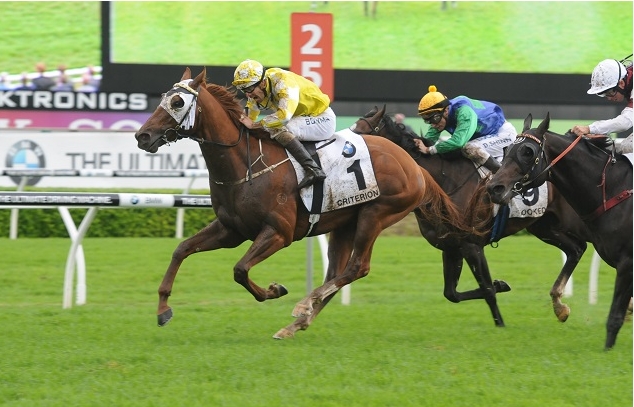
Dynamic equitation focuses on the ongoing interaction between horse and rider, ensuring that both are in tune with each other’s movements and intentions. This approach goes beyond traditional riding techniques by encouraging riders to be fluid and adaptable, responding to their horse’s needs in real time. By practicing dynamic equitation, riders can improve communication with their horses, leading to more synchronized movements and a deeper, more intuitive connection. This is particularly beneficial in competitive settings, where precision and adaptability can set a rider apart in events like dressage or show jumping.
Core Principles of Dynamic Equestrian Training
At the heart of dynamic equestrian training are several core principles designed to enhance the riding experience. One key element is understanding the horse’s biomechanics and emotional state. When riders recognize and respond to their horse’s body language, they can adjust their riding style to align with the horse’s capabilities and comfort levels. Additionally, integrating varied training exercises can help maintain the horse’s interest and motivation, which is essential for both enjoyment and performance. Incorporating ground work, obstacle courses, and varied terrain can lead to improved confidence and adaptability in both horse and rider.
The Role of Mindfulness in Equestrianism
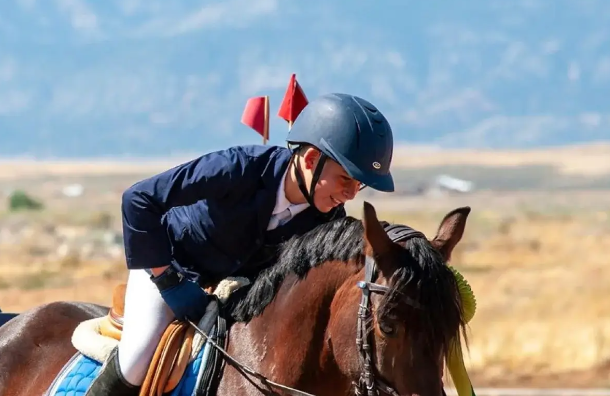
Mindfulness plays a crucial role in dynamic equestrian practices. By being present and aware, riders can make better decisions that reflect their horse’s current state, potentially preventing issues before they arise. This involves not only focusing on one’s own body position and movements but also tuning into the horse’s reactions and adjustments. Mindfulness training can include visualizations, breath control, and even meditation techniques that help riders foster a calm and focused mindset. As riders become more mindful, they can cultivate a deeper bond with their horses, ultimately leading to better performance and a richer riding experience.
In Conclusion
Dynamic equestrian practices bring a fresh perspective to riding that emphasizes adaptability, communication, and mindfulness. By embracing these principles, riders can improve their skills, enhance their horse’s performance, and deepen their connection with their equine partners. If you’re looking to elevate your riding experience, consider exploring dynamic equestrian concepts further. Whether through lessons, workshops, or simply engaging more deeply with your horse, the journey toward greater understanding and harmony in your riding can be immensely rewarding. Happy riding!