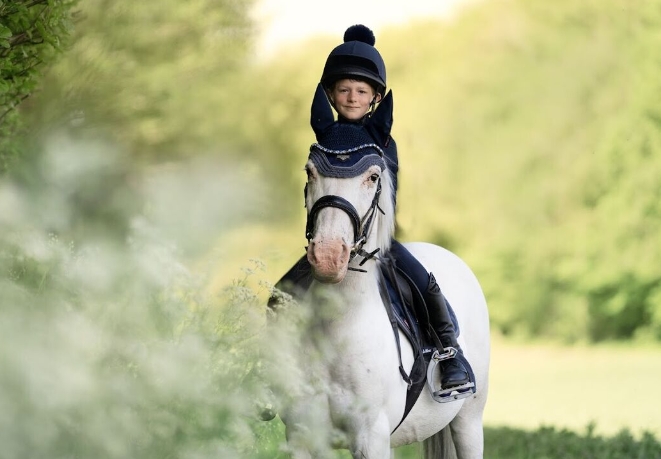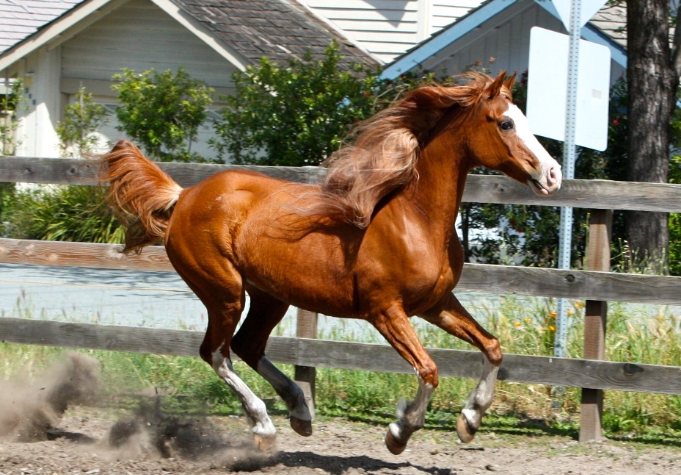
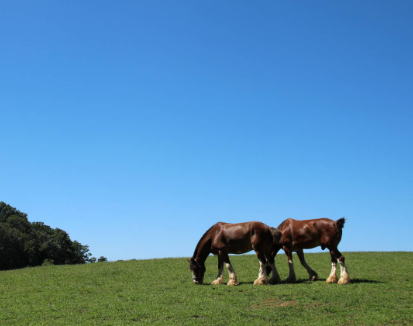
When you think of draft horses, the image of a gentle giant often comes to mind. Known for their size and strength, draft horses have a remarkable temperament that sets them apart from many other breeds. This post explores the qualities that make these heavy horses so gentle and the unique characteristics they possess.
1. Genetics and Breeding
The temperament of draft horses is largely influenced by their genetics and the way they have been bred over the years. Many draft horse breeds, such as the Clydesdale, Percheron, and Belgian, were developed in environments where gentleness and reliability were highly valued. These horses were often used for farm work, which required a calm demeanor and the ability to work cooperatively with humans and other animals.
In contrast to more skittish breeds, draft horses are less prone to sudden outbursts or fear-based reactions. Their breeding has prioritized traits that promote docility and a willingness to learn, making them generally more trainable and easier to handle, even in challenging situations.
-
- Consider the breed: Research specific draft horse breeds to understand their temperament.
-
- Contact breeders: Speak with breeders to inquire about their focus on temperament in their breeding programs.
-
- Observe genetics: Pay attention to the parentage of the horses you’re interested in; it can offer insights into potential behavior.
-
- Prioritize calmness: Look for horses that display calm and patient behavior from a young age.
2. Size Doesn’t Equal Aggression
Despite their imposing size, draft horses are often extraordinarily gentle. Their large frames may seem intimidating to some, but more often than not, they are known for their gentle nature. This contradiction can be attributed to their historical roles as working animals; they were bred to be reliable and manageable rather than aggressive or overzealous.
Additionally, their physical attributes contribute to a calmer personality. Draft horses have slower metabolisms compared to lighter breeds, leading to a more laid-back life and behavior. They aren’t in a hurry, and this reflects in their approach to interactions with humans and other animals.
-
- Interact regularly: Spend time around draft horses to experience their gentleness firsthand.
-
- Don’t rush: Allow them time to acclimate to new environments and people.
-
- Understand their size: Use their size to your advantage in training, focusing on patience and consistency.
-
- Engage gently: When handling draft horses, use a soft and calm voice to encourage trust and relaxation.
3. Social Creatures
Draft horses thrive on social interactions, which plays a significant role in their overall temperament. Being herd animals, they naturally prefer the company of other horses and animals. This social aspect fosters a sense of safety and comfort, which translates into a generally friendly and gentle demeanor.
Their suitability for companionship makes them wonderful family pets and therapy animals. Many draft horses excel in environments where they are regularly exposed to various social situations, leading to well-rounded, gentle personalities. When they are treated respectfully and provided with social opportunities, they exhibit patience and kindness in their interactions.
-
- Create a social environment: Ensure that draft horses have companions, either other horses or suitable animals.
-
- Socialize wisely: Gradually introduce them to new environments and people.
-
- Monitor behavior: Observe how they interact in various social situations to identify their comfort zones.
-
- Encourage bonding: Spend quality time with your horse for reinforcement of trust and gentleness.
4. Training and Handling Techniques
The training methods used with draft horses can significantly affect their temperament. Positive reinforcement techniques often yield the best results, fostering a trusting relationship between horse and handler. These gentle giants respond extraordinarily well to soft, patient training approaches that encourage them to think rather than react.
Proper handling is crucial when interacting with draft horses. Utilizing techniques that promote ease and confidence will greatly enhance their gentle nature. For instance, desensitization to various stimuli in their environment can help ensure that they remain calm and composed during handling and riding.
-
- Use positive reinforcement: Offer treats or praise to encourage good behavior.
-
- Be consistent: Maintain consistent training protocols to build trust and familiarity.
-
- Gradually introduce challenges: Expose them to new experiences at a comfortable pace.
-
- Prioritize their comfort: Ensure that training environments are safe and quiet.
5. Health and Well-Being
Maintaining the health and well-being of draft horses is essential to preserving their gentle temperament. Regular veterinary care, proper nutrition, and exercise play critical roles in keeping them physically sound, which directly influences their behavior. When they are healthy and well-cared for, draft horses are more likely to exhibit calm and friendly dispositions.
Moreover, stress management is key. Draft horses can be sensitive to their surroundings, and a stressful environment can lead to anxiety or agitation. Therefore, creating a comfortable living space with ample room to roam and socialize is crucial for maintaining their natural gentleness.
-
- Regular veterinary check-ups: Schedule consistent health assessments to ensure their well-being.
-
- Provide balanced nutrition: Consult with an equine nutritionist to develop an appropriate feeding regimen.
-
- Monitor behavior: Watch for signs of stress or discomfort in their daily lives.
-
- Create a comfortable environment: Ensure living spaces are spacious and safe.
In conclusion, the gentle temperament of draft horses is a combination of genetics, social behavior, training methods, and health care. By understanding and respecting these factors, owners and caretakers can foster a wonderful bond with these remarkable animals. Whether you’re considering adopting a draft horse or simply enjoying their presence, taking a gentle approach can only enhance the experience.