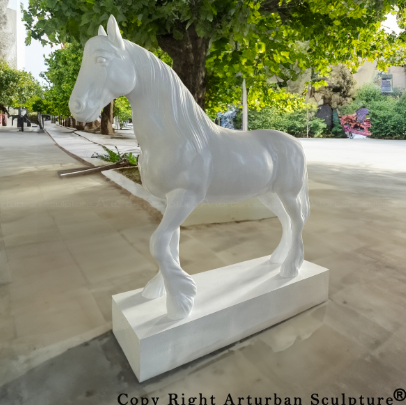
When it comes to realistic sculpture, the stance and posture of draft horses are paramount in conveying strength, grace, and realism. Understanding the nuances of these magnificent creatures can enhance the sculptor’s ability to portray them accurately. This blog post delves into the key elements of draft horse posture and stance in realistic sculpture.
1. The Importance of Stance
The stance of a draft horse is a crucial element in sculpture, as it reflects not only the horse’s physical attributes but also its personality and energy. A well-balanced stance showcases the horse’s musculature, weight distribution, and power. For instance, an upright stance with a square base can signify confidence and readiness, while a relaxed stance can portray ease and tranquility. Artists must study the anatomical features of draft horses to capture these subtleties effectively.
To create a realistic stance in sculpture, observing live horses in motion or at rest can provide valuable insights. Draft horses often have a unique body structure, with heavy forequarters and powerful hindquarters, and understanding how these parts work together is essential. Positioning the legs correctly, considering joint angles, and representing muscular tension will make a sculpture come alive with authenticity.
-
- Study live horses in various stances.
-
- Analyze the distribution of weight in standing horses.
-
- Consider the angle of the legs when portraying motion or rest.
-
- Use anatomical references to enhance realism.
2. Capturing Posture for Realism
In addition to stance, the posture of a draft horse plays a vital role in conveying its spirit. Posture encompasses how the horse holds its head, neck, and body relative to the legs. A proud head carriage paired with a strong, arched neck portrays a noble presence, while a lowered head may suggest calmness or submission. Understanding these nuances can help sculptors create a more expressive character in their pieces.
To enhance the sculpture’s realism, take time to study horses’ movements and their postural adaptations to different terrains. For instance, a draft horse engaged in pulling work may exhibit a different posture compared to one at rest or in a playful moment. Capturing these distinctions will not only elevate the artistic quality of the sculpture but also resonate emotionally with viewers.
-
- Observe how horses interact with their environment.
-
- Experiment with different head and neck positions.
-
- Incorporate subtle adjustments to indicate emotional states.
-
- Highlight the joints and musculature that support specific postures.
3. Techniques to Achieve Realistic Sculpture
Creating a realistic draft horse sculpture requires a blend of technique, attention to detail, and artistic intuition. Starting with a solid armature is essential; it gives support and structure to your sculpture from the beginning. Clay or wax can be shaped over this armature to begin defining muscle groups and features accurately. While working, consider the horse’s center of gravity and how that affects the overall posture.
Additionally, texture is an important aspect of realism. Draft horses typically have a thick coat, so sculptors should focus on replicating the softness and volume of their fur using appropriate tools and techniques. Paying meticulous attention to the horse’s facial features, such as the eyes and nostrils, can evoke a lifelike expression that viewers are likely to connect with.
-
- Create a sturdy armature for support.
-
- Focus on distinct muscle groups and their shapes.
-
- Use various tools to simulate fur texture.
-
- Carefully sculpt facial features for emotional depth.
4. Practical Exercises for Sculptors
For sculptors interested in enhancing their skills, practice exercises can be invaluable. One effective exercise is creating studies based on live drafts in different poses. This allows for hands-on experience with their postures, leading to greater understanding and accuracy in sculpture. Additionally, capturing the horse in motion through short sketches can help in grasping the dynamism involved in realistic sculptures.
Another beneficial practice involves studying photographs of draft horses from various angles. This will aid in understanding proportions and details when the horse is not available for live observation. With time and consistent practice, sculptors can refine their techniques and enhance the sophistication of their work, ultimately leading to piece that captivates and informs viewers.
-
- Conduct regular live studies of draft horses.
-
- Create quick sketches of different movements and postures.
-
- Analyze photographic references intensively.
-
- Practice creating muddibber models to experiment with form.
In conclusion, understanding the stance and posture of draft horses is crucial for creating realistic sculpture. By focusing on details such as weight distribution, posture, and texture, artists can create lifelike representations that resonate with audiences. Remember to keep observing, practicing, and refining your techniques to bring your sculptures to life.