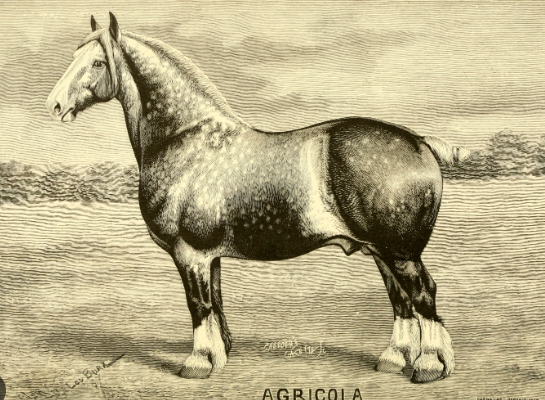
Draft horses have an illustrious history, steeped in tradition and utility. Their strength and resilience have made them indispensable companions, particularly in farming and transportation. In this blog post, we will analyze historical photos of draft horses to gain insights into their roles over the years and how they have influenced various industries.
1. The Role of Draft Horses in Agriculture
Historically, draft horses were the backbone of agricultural operations. Used primarily for plowing and tilling fields, these majestic animals enabled farmers to work the land more efficiently than manual labor ever could. Photos from the late 19th to early 20th centuries often depict teams of these horses pulling plows or wagons laden with hay, illustrating their significant contribution to agricultural yield.
Moreover, particular breeds, such as the Clydesdale and Percheron, became synonymous with agricultural work due to their size and strength. Imagery from this era shows noteworthy harnessing techniques that allowed horses to work effectively alongside other farm animals, creating a symbiotic relationship on the farm. Their capacity to sustain heavy loads liberated farmers from demanding labor, making agriculture more productive and profit-generating.
-
- Research different draft horse breeds to see which best suits your farming needs.
-
- Explore partnerships with local farms to witness draft horses in action.
-
- Consider using regenerative farming techniques that incorporate draft horse power.
-
- Attend agricultural fairs that highlight historical farming practices involving draft horses.
2. Draft Horses in Transportation and Industry
Before the age of mechanization, draft horses served as pivotal transporters of goods and materials. Historical photos often showcase these powerful horses pulling heavy carts through bustling town streets or along rugged countryside roads, symbolizing a vital mode of transport in the 19th century. Industries depended heavily on the labor of these horses for delivering goods, a role that would later evolve with the advent of automobiles.
Some significant examples include the iconic images of Clydesdales pulling Budweiser wagons, showcasing not only the strength of these animals but also their roles in commercial advertising strategies. Photos from this era highlight how draft horses were also used in construction projects, pulling heavy loads of stone and timber, thus aiding in expansive urban development. Their importance in early industrial endeavors underlines the need for strength and stamina before machinery became the norm.
-
- Familiarize yourself with the evolution of transportation and how draft horses contributed.
-
- Engage with local history museums that feature exhibits on draft horse transportation.
-
- Learn about the transition from horse-drawn to motorized transport methods.
-
- Volunteer at community events showcasing the historical significance of draft horses in industry.
3. The Cultural Significance of Draft Horses
Draft horses hold a special place in cultural symbolism, often associated with strength, loyalty, and hard work. Historical photos not only reflect their utility but also convey the emotional bond between horse and handler. Many images capture moments of affection and respect, emphasizing how draft horses have also served as companions to humans through the ages.
Traditionally, draft horses participated in parades, exhibitions, and festivals, showcasing their beauty and strength. Events such as the World Clydesdale Show exhibit the rich heritage of these horses through competitive events that promote preservation and appreciation. Photos of these events allow us to see how draft horses have not only been functional but also celebrated symbols in our communities.
-
- Explore local equestrian clubs that host events featuring draft horse breeds.
-
- Participate in workshops to deepen your understanding of draft horse care and training.
-
- Attend cultural festivals that honor draft horses’ contributions to society.
-
- Consider supporting organizations dedicated to the preservation of traditional horse-farming practices.
The fascinating history of draft horses illustrates their remarkable contributions across agriculture, transportation, and culture. As we analyze historical photos, it becomes clear that these animals have not only shaped industries but have also woven themselves into the fabric of human life. We encourage you to delve deeper into this remarkable journey—perhaps by visiting a local farm, attending an equestrian event, or exploring educational resources dedicated to draft horse heritage.