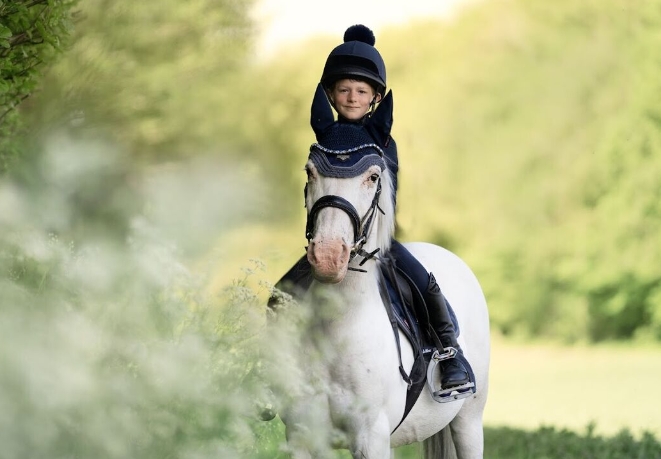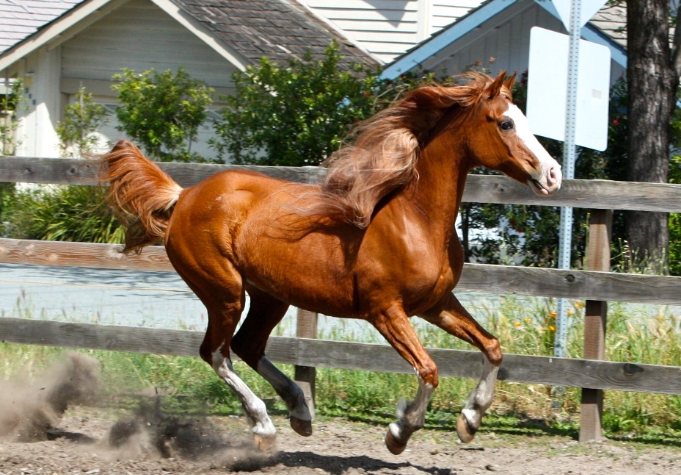
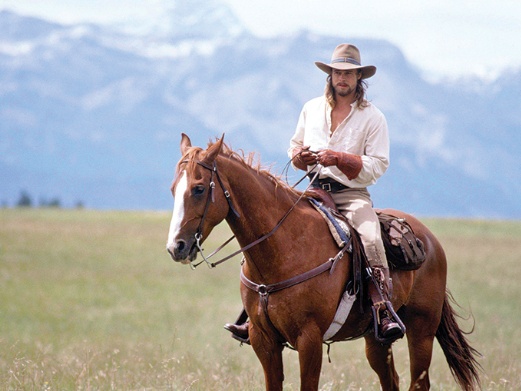
The majestic draft horse has made a significant impact on the world of cinema and television. These powerful animals bring a unique charm and presence to many narratives, where their strength, calm temperament, and imposing stature enrich visual storytelling and deepen emotional themes.
1. Iconic Movies Featuring Draft Horses
One of the most memorable cinematic appearances connected to draft-horse-like strength is in War Horse, directed by Steven Spielberg. The film tells the emotional story of a young boy and his beloved horse, Joey, set against the turmoil of World War I.
Although Joey is portrayed as a Thoroughbred cross rather than a pure draft horse, the character embodies many draft-horse qualities—endurance, resilience, and remarkable pulling strength. The film’s large-scale battle scenes relied heavily on carefully trained horses and expert animal handlers. Their movement, power, and calm behavior helped create authentic cavalry and artillery scenes, giving the story a powerful visual realism.
Another well-known film featuring the emotional bond between humans and horses is The Horse Whisperer. While the primary horses in the film are riding breeds, draft horses appear in ranch and landscape scenes, quietly reinforcing the agricultural setting. Their steady presence symbolizes the grounding force of nature and the traditions of rural life.
Ideas for viewers exploring horse films:
-
Watch War Horse to observe the cinematic portrayal of horse strength and endurance.
-
Explore behind-the-scenes documentaries that show how horses are conditioned for film production.
-
Pay attention to how different breeds visually communicate character traits or narrative themes.
2. Televised Appearances of Draft Horses
Television series have also featured draft horses as important visual and narrative elements. One of the best examples is Heartland, a long-running drama centered around a family horse ranch in Alberta.
In this series, draft horses occasionally appear in ranch work scenes such as pulling wagons, assisting with farm labor, or participating in training demonstrations. Their inclusion highlights the real-world versatility of draft breeds and emphasizes the everyday partnership between humans and horses in rural communities.
Another series that incorporates horses into its visual storytelling is Once Upon a Time. In this fantasy setting, horses—including large draft breeds—pull royal carriages, accompany knights, and enhance the medieval atmosphere of the show. Their size and calm demeanor make them ideal for carriage scenes and ceremonial moments.
For viewers interested in equine storytelling:
-
Watch Heartland to see horses integrated into daily ranch life narratives.
-
Look at how fantasy series like Once Upon a Time use horses to build immersive historical worlds.
-
Join fan discussions about equine training, stunt coordination, and horse casting in television.
3. The Symbolism of Draft Horses in Film and Television

In visual storytelling, draft horses often symbolize endurance, loyalty, and the quiet dignity of labor. Their broad bodies and calm temperament visually communicate reliability and patience—qualities that filmmakers frequently associate with rural life and traditional values.
Films such as Flicka explore the emotional bond between humans and horses, portraying animals as companions that help characters grow and overcome challenges. Meanwhile, in The Black Stallion Returns, supporting horses—including workhorse types—reinforce the themes of teamwork, perseverance, and trust.
Beyond the screen, the cultural admiration for these animals often extends into art and public decoration. For example, a draft horse sculpture placed in a garden, ranch entrance, or equestrian center can evoke the same symbolism seen in films—strength, heritage, and a timeless connection between people and working horses.
Conclusion
Draft horses occupy a meaningful place in both film and television. Whether appearing in sweeping war dramas, family ranch stories, or fantasy adventures, they bring authenticity, power, and emotional depth to visual narratives. Their presence reminds audiences of the long history shared by humans and horses—one built on cooperation, resilience, and mutual trust.
For filmmakers, artists, and horse enthusiasts alike, studying these cinematic portrayals offers inspiration for storytelling, visual design, and even artistic expressions that celebrate the enduring legacy of the draft horse.