The symbolism of draft horses in Western culture extends beyond their remarkable physical power. These majestic animals represent values such as perseverance, loyalty, and cultural heritage. For centuries, draft horses have played vital roles in agriculture, transportation, and community life, leaving a lasting symbolic imprint on Western art, literature, and tradition.
1. Strength and Endurance
Draft horses are widely recognized for their extraordinary strength and stamina. Breeds such as the Clydesdale and Percheron were historically used for demanding tasks including plowing fields, hauling timber, and pulling heavy wagons. Their immense power helped shape agricultural productivity and rural economies across Europe and North America. As a result, draft horses became powerful metaphors for resilience, determination, and the ability to overcome hardship.
In cultural narratives, draft horses are often portrayed as noble giants—calm, dependable, and unwavering in their work. Their steady presence symbolizes endurance in the face of adversity. Artists and storytellers frequently depict them as loyal companions accompanying farmers, pioneers, or soldiers on long journeys. In sculpture and visual art, a draft horse sculpture can embody this same message of quiet strength and perseverance, serving as a reminder of the enduring spirit that helped build rural communities.
2. Heritage and Tradition
Draft horses also represent heritage and continuity in Western culture. For many families, particularly those with farming backgrounds, these animals symbolize generations of agricultural tradition. Before mechanized equipment became widespread, draft horses were indispensable partners in everyday life. They cultivated fields, transported goods, and supported the livelihoods of countless communities.
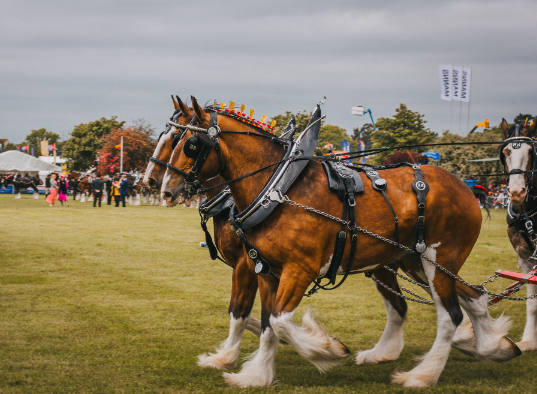
Today, draft horses continue to appear at agricultural fairs, historical reenactments, and plowing competitions. These events celebrate traditional farming techniques and honor the bond between humans and working animals. Museums, heritage farms, and rural festivals often feature demonstrations of horse-drawn equipment, allowing visitors to experience a glimpse of pre-industrial agricultural life. Through these traditions, draft horses serve as living reminders of the labor, cooperation, and ingenuity that shaped rural societies.
3. Symbol of Teamwork and Community
Another enduring symbol associated with draft horses is teamwork. Historically, these horses often worked in pairs or teams, pulling heavy plows or wagons that a single horse could not manage alone. Their coordinated movement and mutual trust demonstrate how cooperation leads to success. Farmers depended not only on the horses’ strength but also on their ability to work harmoniously together.
This symbolism continues to resonate today. Draft horse teams still appear in parades, farming demonstrations, and therapeutic riding programs, where their calm temperament and cooperative nature make them ideal partners for human interaction. Their example reminds people that shared effort, patience, and mutual support can strengthen communities and help individuals achieve goals that might otherwise seem impossible.
Conclusion
The cultural meaning of draft horses reaches far beyond their role as working animals. They symbolize strength, endurance, heritage, and the power of teamwork—values deeply rooted in Western history. By studying their legacy in agriculture, art, and community traditions, we gain insight into the ways humans have long partnered with animals to shape civilization. The enduring image of the draft horse continues to inspire respect for perseverance, cooperation, and the traditions that connect past and present.