Draft horses are not only remarkable for their strength and gentle demeanor but also for their aesthetic beauty, making them an excellent source of inspiration for modern animal sculpture. Artists are increasingly turning to these majestic creatures to explore themes of power, grace, and the bond between humans and animals. This blog post delves into the reasons why draft horses continue to inspire contemporary sculptors and how their unique characteristics can inform artistic creations.
1. The Aesthetic Appeal of Draft Horses
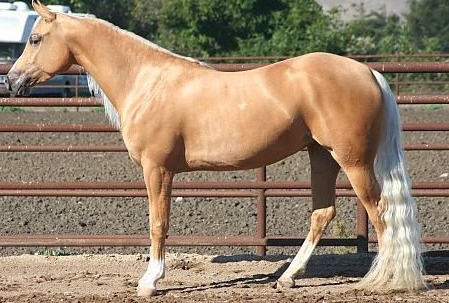
The sheer size and presence of draft horses can be a muse for artists. These animals have muscular bodies, strong limbs, and flowing manes that capture attention and evoke emotions. Their unique physical characteristics make them a striking subject, as their build conveys both strength and grace. Sculptors can capture the nuance of their anatomy, from the powerful neck to the broad chest, which can tell stories of strength and resilience.
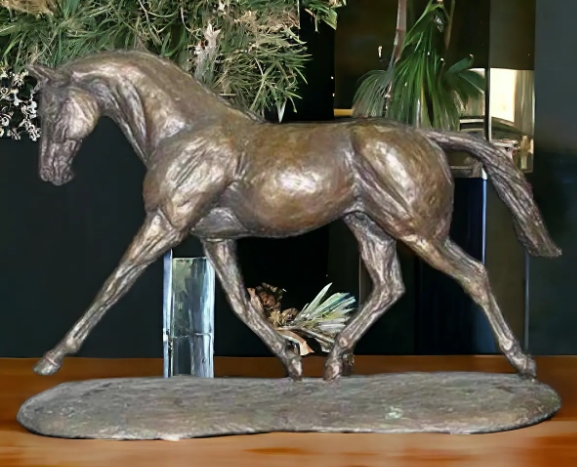
Moreover, draft horses often exhibit a gentle disposition that contrasts with their powerful build. This juxtaposition can create compelling visual narratives in sculpture, inviting viewers to reconcile the beauty of strength with softness. Artists can utilize different materials, such as bronze, clay, or stone, to replicate the texture and contours of a draft horse, enhancing the work’s tactile appeal. Each piece offers an opportunity to celebrate these horses’ unique beauty and emotional depth.
-
- Study draft horses in person or through videos to observe their physical traits.
-
- Take note of how light plays on their coat and muscles.
-
- Experiment with different materials to convey the texture of a horse’s mane and skin.
-
- Consider incorporating movement or stillness in your sculptures to reflect their nature.
2. Symbolism and Cultural Significance
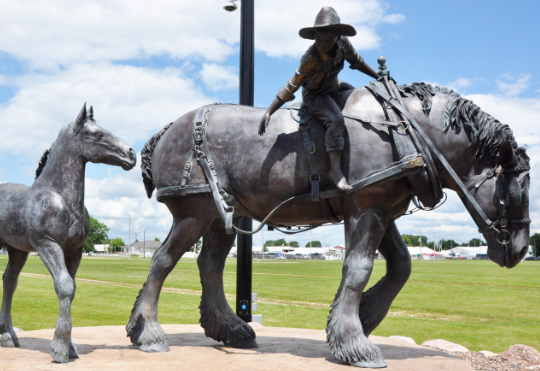
Draft horses hold rich symbolism in various cultures, often representing hard work, determination, and companionship. They have historically been employed in agriculture and transportation, embodying the strong bond between humans and animals in labor. This cultural relevance lends depth to sculpture; artists can embed narratives within their work that reflect these themes. For instance, a sculpture might depict a draft horse in the act of pulling a plow, symbolizing the labor and dedication required in farming.
Contemporary artists also explore the emotional connections between humans and horses in their work. Sculptures may represent the partnership of a horse and rider or the comforting presence of a horse in one’s life. These themes resonate with audiences who have experienced similar bonds, influencing how they engage with the art. By incorporating symbolic elements into their work, sculptors can provoke thought and connection around the legacy and significance of draft horses.
-
- Research the history and roles of draft horses in various cultures.
-
- Explore emotional narratives that highlight the human-animal connection.
-
- Incorporate symbols or elements related to farming, labor, or companionship.
-
- Consider how lighting and placement can enhance the symbolic meaning of your sculpture.
3. Techniques for Sculpting Draft Horses
Sculpting a draft horse requires a thorough understanding of anatomical proportions and movement. Artists often begin with a skeleton or armature to establish the horse’s basic shape and postures. This stage is crucial for ensuring that the sculpture not only looks realistic but also conveys the horse’s weight and balance accurately. Observing live horses or utilizing reference photos can assist artists in capturing anatomical accuracy.
Once the basic form is established, artists typically work with layers, refining details such as the muscles, joints, and facial expressions. Adding textures for the coat, mane, and tail can bring the sculpture to life. Techniques such as carving, modeling, or even assemblage can be employed based on the desired outcome. Experimenting with these techniques can yield unique results, making the final piece a true reflection of the artist’s vision and skills.
-
- Start with sketches to plan your draft horse sculpture.
-
- Use a solid base or armature to support the final work.
-
- Pay special attention to muscle structure and joint placement.
-
- Add texture gradually to create lifelike details.
In conclusion, draft horses offer a wealth of inspiration for contemporary animal sculpture artists. Their majestic beauty, rich symbolism, and the techniques involved in capturing their essence provide a unique blend of challenges and opportunities. Whether you are a budding sculptor or an art enthusiast, embracing the influence of draft horses can enhance your understanding and appreciation of the artistic journey.