Create a visual impact that resonates with viewers, and your choice of artistic representation becomes crucial. Draft horse sculptures present an intriguing study in the balance between realism and abstraction. This blog will delve into the contrasting approaches and their implications in artistic design.
1. Understanding the Realism of Draft Horse Sculpture
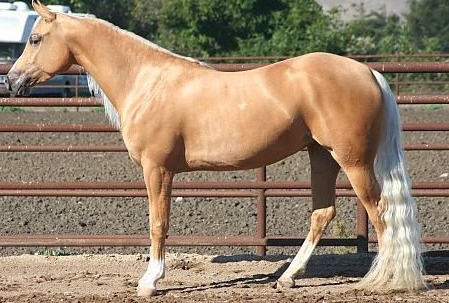
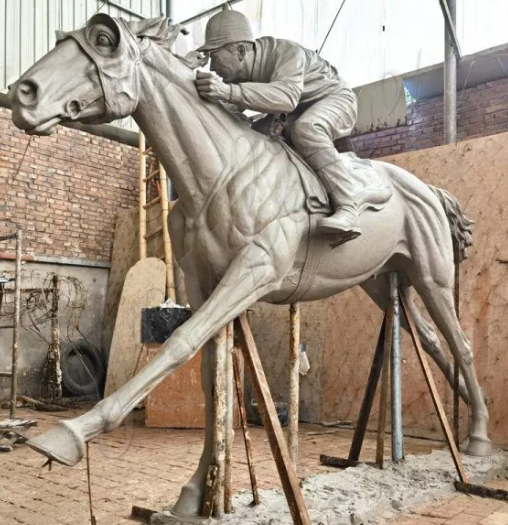
Realism in draft horse sculpture focuses on lifelike representation, capturing the horse’s anatomy, musculature, and stance with precision. Artists often spend considerable time studying live horses, making sketches, and taking photographs to ensure that every detail—from the sheen of the coat to the expression in the eyes—is meticulously portrayed. A famous example is the works of artist Remington, who depicted horses with incredible accuracy, showcasing their strength and grace in a realistic manner.
The realistic approach allows viewers to connect emotionally, evoking feelings of nostalgia and admiration for these powerful animals. This technique often highlights the historical significance of draft horses in agriculture and transportation, reminding us of their undeniable impact on our past. The attention to detail can also serve as a narrative, depicting scenes of hard work or friendship between horses and humans.
-
- Study real draft horses through observation or reference images.
-
- Focus on anatomical accuracy, especially musculature and proportions.
-
- Incorporate realistic textures to enhance visual interest.
-
- Ensure the pose conveys the horse’s spirit and personality.
-
- Utilize appropriate colors to reflect natural variations in horse breeds.
2. Embracing Abstraction in Draft Horse Sculpture
Abstraction in draft horse sculpture allows artists to express ideas or emotions beyond physical representation. This style focuses on shapes, forms, and textures rather than strict adherence to realistic anatomy. For example, artists like Picasso have explored abstraction, turning familiar subjects into dynamic forms that evoke emotion and thought. Instead of representing a horse with meticulous detail, abstraction can distill the essence of the animal into fluid lines and bold shapes.
One key advantage of using abstraction is its ability to provoke thought and interpretation in viewers. An abstract sculpture of a draft horse might convey strength or gentleness through exaggerated forms or unconventional materials, inviting onlookers to engage with the piece on a personal level. This interpretation may vary widely, leading to discussions and deeper connections surrounding the artwork.
-
- Experiment with shapes and forms that evoke the spirit of the horse.
-
- Use color and texture to explore emotional themes rather than accuracy.
-
- Incorporate unconventional materials to challenge traditional perceptions.
-
- Consider the placement of the sculpture to affect viewer interaction.
3. The Middle Ground: Finding Balance in Draft Horse Sculpture
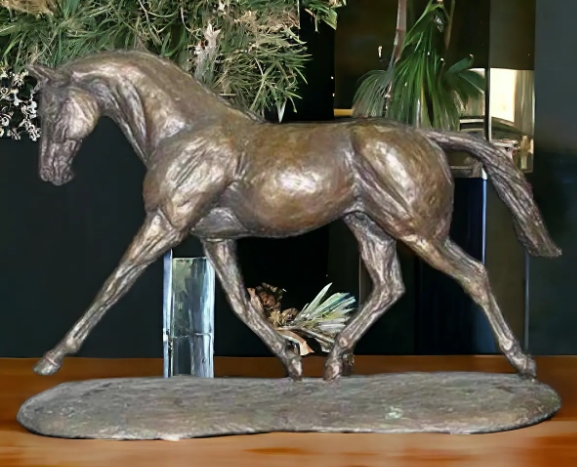
Artists are not limited to either realism or abstraction; many successfully combine both styles to create unique sculptures. This approach allows them to maintain elements of anatomical accuracy while injecting personal interpretation and emotional depth. For instance, an artist might sculpt a draft horse in a realistic pose, but alter proportions or use an abstracted style for the mane and tail, creating a harmonious blend of the two techniques.
This balance attracts a broader audience, catering to those who appreciate either realistic craftsmanship or the thought-provoking nature of abstraction. By merging styles, artists can create sculptures that celebrate the beauty and history of draft horses while inviting individual interpretation and engagement. The convergence of these styles can depict not only a horse but also the relationship between horses and humans through time.
-
- Identify elements of each style that resonate with your artistic vision.
-
- Experiment with combining realistic details with abstract forms.
-
- Seek feedback from peers to refine your artistic approach.
-
- Engage with both realism and abstraction in your studies.
4. Conclusion: Choosing Your Path in Draft Horse Sculpture
When considering your approach to draft horse sculpture, reflecting on your artistic goals and audience engagement can guide your decision between realism and abstraction. Understanding both styles can enrich your skills and lead to more compelling works.