Draft horse breeds have played a vital role in agricultural and cultural history, symbolizing strength and reliability. Monument sculptures depicting these magnificent animals not only celebrate their legacy but also serve as compelling storytellers that capture the essence of human-animal bonds.
1. The Historical Significance of Draft Horses
Draft horses, bred for heavy labor, were once indispensable in farming, logging, and transportation before the industrial era. Breeds such as the Clydesdale, Percheron, and Belgian were specifically selected for their remarkable strength and gentle temperament, helping to shape agricultural practices worldwide. These animals not only contributed to economies but also became integral parts of family life in rural communities.
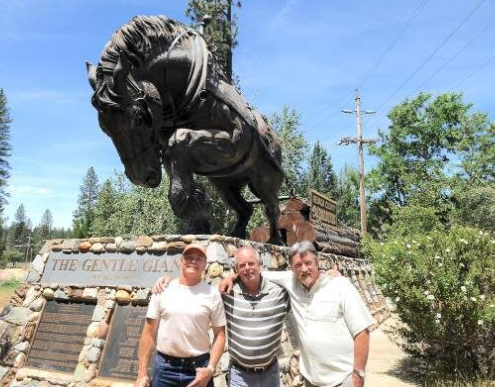
Monument sculptures that feature draft horses often illustrate moments in history where these animals made significant impacts. For instance, the iconic Clydesdale sculptures convey not just the breed’s physical excellence but also its deep connection to the working class and community welfare. Understanding this history can enrich both the appreciation of the art form and the nostalgia for a simpler time in human existence.
-
- Learn about the different draft horse breeds and their roles in various cultures.
-
- Visit local farms or parks to observe draft horses in a natural setting.
-
- Research historical events where draft horses played a pivotal role.
-
- Engage with local communities that honor draft horses through events or festivals.
2. Artistic Representation in Sculpture
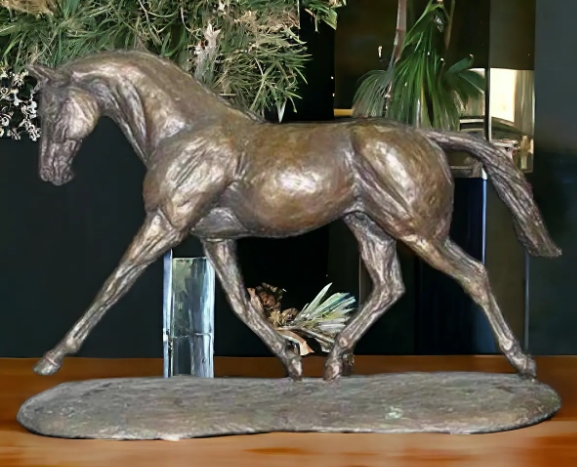
Sculptors use various materials and techniques to bring the essence of draft horses to life. Common mediums include bronze, stone, and wood, each adding a unique texture and character to the work. The way a horse is positioned, the details in its mane, or the depiction of its muscles can evoke a range of emotions, from pride to nostalgia.
A well-crafted statue has the power to tell a story without uttering a single word. For example, a statue of a horse pulling a plow can symbolize hard work, perseverance, and the teamwork required in agriculture. Review different styles and approaches to find what resonates with your vision. Whether you’re drawn to realistic depictions or more abstract interpretations, understanding these artistic choices enhances the viewer’s engagement.
-
- Explore different materials used in horse sculptures and their advantages.
-
- Visit galleries and exhibitions focused on equine art for inspiration.
-
- Study the techniques used by renowned sculptors to gain artistic insight.
-
- Consider your own approach to depicting horses in your art or projects.
3. The Role of Community and Culture
Monument sculptures serve as focal points for community gatherings and celebrations, helping to reinforce local culture and history. Many towns host annual festivals that include parades celebrating their equine heritage, where sculptural art becomes a significant part of the narrative. These events provide an opportunity for residents and visitors alike to engage with history through storytelling.
Additionally, sculpture parks featuring draft horse monuments offer space for reflection and appreciation of these majestic animals. Communities can hold educational programs around such sculptures, teaching younger generations about agricultural history, the importance of draft horses, and the narratives behind each piece. This fosters a deep-seated respect for both art and the animals represented.
-
- Participate in local events that celebrate draft horses and their history.
-
- Encourage local schools to incorporate horse history into their curricula.
-
- Support local artists by purchasing or promoting their equine-themed work.
-
- Collaborate with community groups to organize educational programs at local monuments.
4. Exploring Modern Interpretations
Contemporary artists are increasingly shifting the paradigm of how draft horse sculptures are created and perceived. By integrating mixed media or incorporating light and sound, modern interpretations can offer a more dynamic storytelling medium. Sculptures that allow interactivity can engage audiences in entirely new ways, inviting them to touch, move, or even hear stories related to draft horses.
Some modern sculptures aim to raise awareness about animal welfare and the importance of preserving traditional farming practices. These provocative works not only celebrate the beauty of draft horses but also challenge viewers to think critically about agricultural practices today. Artists are using technology to bridge the gap between art and activism, enabling a deeper dialogue about the role of animals in our society.
-
- Research artists who are innovating in the field of animal sculpture.
-
- Attend modern art exhibitions focused on equine themes.
-
- Participate in workshops that explore mixed media techniques.
-
- Engage in discussions regarding animal rights and how art can reflect these concerns.
In conclusion, the storytelling through monument sculptures of draft horses captures profound historical, cultural, and artistic significance. By understanding their roles, appreciating the artistry involved, and engaging with community narratives, we can honor the legacy of these remarkable animals. Begin your journey of exploration today by visiting local sculptures, attending events, or even creating some art of your own related to these majestic creatures.