Summer heat can be a challenging time for draft horse owners. As these magnificent animals are known for their strength and stamina, managing their comfort and health during peak temperatures is essential for their well-being. In this blog post, we’ll explore effective strategies to help keep your draft horses cool and healthy throughout the warmer months.
1. Proper Hydration
Ensuring that your draft horses have access to clean, fresh water is crucial during the hot summer months. Horses can lose a significant amount of water through sweating, especially when working hard in the heat. It’s important to monitor their water intake regularly and to provide ample drinking opportunities, ensuring that the troughs or buckets are cleaned and filled regularly. You may also consider adding electrolytes to their water to replenish lost minerals, especially after intensive activities.
Another aspect of hydration is the feeding schedule. Providing wet hay or adding water to grain mixes can substantially increase their overall water intake. Furthermore, consider the time of day when your horses are drinking. Horses might be more inclined to drink early in the morning or later in the evening when temperatures are cooler, so plan their routines accordingly.
-
- Check water troughs at least twice daily to ensure cleanliness.
-
- Add electrolytes to water during periods of heavy sweating.
-
- Provide access to fresh water after exercise.
-
- Experiment with wetting hay or grain to increase moisture intake.
2. Appropriate Shelter & Ventilation
A shaded, well-ventilated shelter is vital to protect draft horses from the harsh sun and humidity. Positioning your barn or shed to maximize airflow can significantly reduce heat buildup inside. Natural ventilation can be improved with fans or by using open doors and windows, particularly on less humid days. Shade trees or artificial shade structures can also provide relief and encourage your horses to stay cool during the heat of the day.
It’s also essential to ensure that the sleeping and resting areas are comfortable. Placing bedding in the shaded areas can help absorb excess moisture from sweat and keep them comfortable. If they’re outdoors during the day, encourage them to find shaded spots under trees or structures where they can escape direct sunlight.
-
- Ensure shelters are well-ventilated without drafts that could cause chills.
-
- Consider providing fans or misters in barns.
-
- Maintain shaded areas in pastures or paddocks.
-
- Check bedding regularly for cleanliness and comfort.
3. Adjusting Work Routines
Workload adjustments during hot weather can have a profound impact on your draft horses’ health. Scheduling intense activities during the cooler parts of the day, such as early mornings or late evenings, is highly recommended. If work must occur during the day, consider shortening the duration of work sessions and interspersing them with rest periods to reduce heat stress. It’s also wise to monitor their responses to workload closely, adjusting activities based on their behavior and condition.
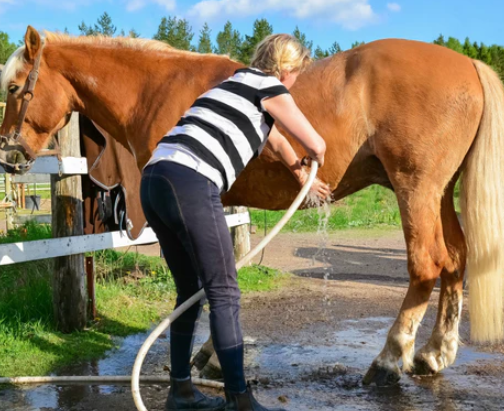
Furthermore, acclimatization is key for draft horses returning to work after a break. Introduce them gradually to the workload, particularly during the first few weeks of summer. Ensure that they are allowed adequate time to cool down after activity—hosing them down and letting them dry, faintly brushing off sweat, or providing shade can all aid in recovery.
-
- Plan intense work sessions for cooler parts of the day.
-
- Shorten work periods and incorporate breaks for cool-down.
-
- Gradually reintroduce work after an inactivity period.
-
- Monitor your horse’s condition and adjust workload based on behavior.
4. Feeding for Comfort
The diet of your draft horse plays an important role in their heat management. Choosing the right feed is essential, especially during the summer months. High-fiber, low-starch feeds can help maintain energy levels without spiking blood sugar levels, which can generate internal heat. Additionally, incorporating more fresh forage, like grass, can provide hydration as well as nutrients necessary for their performance in the heat.
Timing meals can also affect how your horse manages heat. Feeding smaller meals more frequently can prevent them from overheating as large meals require more digestive energy, which produces heat. Opt for feeding cooler meals in the evenings after a hot day, allowing them to digest during the cooler night hours.
-
- Choose high-fiber, low-starch feed options.
-
- Increase fresh forage intake during the summer.
-
- Feed smaller, more frequent meals to avoid overheating.
-
- Schedule feeding times to cooler parts of the day when possible.
In conclusion, managing the summer heat for your draft horses requires careful planning and implementation of effective strategies. By focusing on hydration, shelter, work routines, and diet, you can ensure your horses remain comfortable and healthy during those hot months. Don’t hesitate to consult a veterinarian or an equine nutritionist for personalized advice tailored to your horses’ needs this summer.