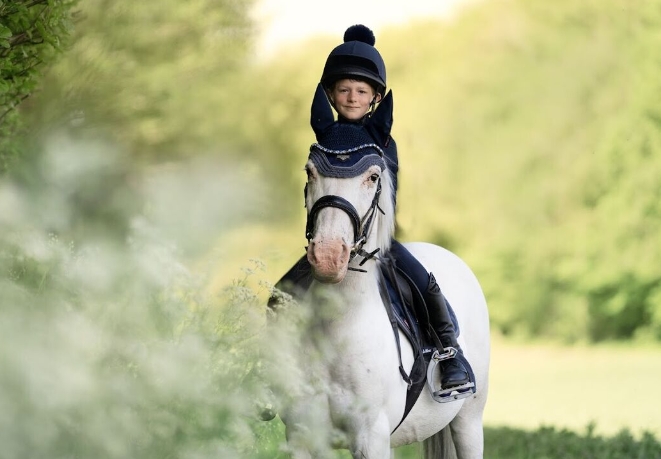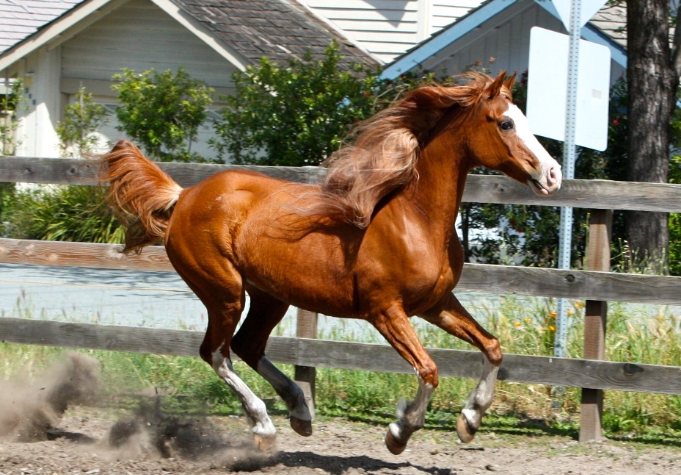
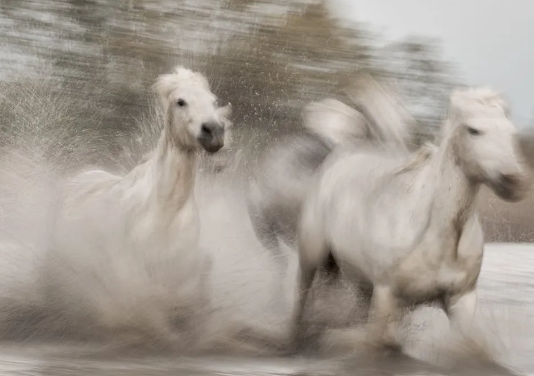
Draft horses are magnificent creatures, and photographing them can be an artistic endeavor that captures their power and beauty. Understanding composition techniques is essential for creating striking images that resonate with viewers. In this post, we will explore various photography composition techniques to enhance your draft horse photography.
1. Understanding Composition Basics
Before diving into intricate techniques, it’s vital to grasp the basics of composition. The rule of thirds is one of the fundamental principles. Imagine dividing your frame into a 3×3 grid. Placing your draft horse along these lines or at their intersections can create a more visually appealing photograph. This technique often results in a balanced image that draws the viewer’s eye toward critical points.
Another essential principle is leading lines. These can be natural lines in the environment, such as fences or paths, that direct the viewer’s gaze toward the horse. Utilizing leading lines not only adds depth to your composition but also enhances the storytelling aspect of your photograph, inviting viewers to engage with the scene.
-
- Learn the rule of thirds and practice framing your subject.
-
- Identify natural leading lines in your surroundings.
-
- Experiment with placing your subject off-center.
-
- Review your photos and evaluate the composition before taking more shots.
2. Capturing Movement and Emotion
Draft horses are well-known for their strong, graceful movements. Capturing this dynamism requires anticipating the horse’s actions. To freeze an action shot, use a fast shutter speed, ideally 1/500 sec or faster, especially if the horse is in motion. This technique will ensure that you capture the power and grace without any blurring.
Alongside action, capturing emotion is equally important. Look for moments that showcase the horse’s personality, such as a flick of the ear or a playful kick. Getting to know the horse and its responses can help you anticipate these moments, leading to more evocative photographs.
-
- Use high shutter speeds to capture movement clearly.
-
- Observe the horse and familiarize yourself with its behavior.
-
- Take multiple shots in quick succession to capture the best moment.
-
- Experiment with angles to add drama and interest to action shots.
3. Working with Natural Light
Lighting can make or break a photograph, especially when dealing with the extensive textures and colors of a draft horse’s coat. Soft, diffused light, such as that produced during golden hour (the hour after sunrise or before sunset), can enhance the warm tones and textures, giving your composition a beautiful glow. Avoid harsh midday sun which can create unforgiving shadows and highlights.
In situations where natural light is limited, consider using a fill flash. This technique can help illuminate shadowed areas without overpowering the scene. Experimenting with backlighting can also yield fascinating results, allowing you to create a silhouette or highlight the horse’s contours beautifully.
-
- Take photos during golden hour for soft, flattering light.
-
- Practice using fill flash to brighten up shadowed parts.
-
- Avoid direct sunlight; seek shaded areas if necessary.
-
- Experiment with backlighting for dramatic effects.
4. Framing and Context in Your Shots
Including background elements and context is crucial in draft horse photography. The surrounding environment can provide clues about the horse’s lifestyle and character. For instance, a photo taken in a rustic barn setting can convey the horse’s working nature, while an open field can depict freedom and serenity. Always consider how background elements can either enhance or distract from your subject.
Additionally, framing your shot effectively can help highlight your draft horse. Use natural elements like trees or hills to create a frame within your photograph. This approach can provide depth and layers to your images, guiding the viewer’s eye to the center of interest—the horse.
-
- Analyze your background before snapping a photo.
-
- Look for unique environmental elements that tell a story.
-
- Use natural framing techniques to add depth.
-
- Ensure background elements complement, not distract from, the horse.
5. Post-Processing Techniques
Once you’ve captured your images, post-processing can help enhance their quality and artistic impact. Use software like Adobe Lightroom or Photoshop to adjust exposure, contrast, and saturation. Subtle tweaks can make colors pop and highlight the horse’s texture, creating a more captivating photograph.
Additionally, cropping can improve composition by eliminating unnecessary distractions around your subject. Always consider the overall balance of your image before finalizing your edits to ensure that it remains engaging and professionally polished.
-
- Experiment with basic edits like adjusting exposure and contrast.
-
- Use cropping to enhance composition and eliminate distractions.
-
- Preserve the horse’s natural colors when adjusting saturation.
-
- Consider using filters to create a specific mood or tone.
In conclusion, mastering draft horse photography requires a blend of understanding composition, capturing movement and emotion, and utilizing natural light effectively. By applying these techniques and continuing to practice, you’ll be able to create stunning images that beautifully represent these majestic animals. So grab your camera, head out, and start capturing the unique beauty of draft horses today!