Draft horses are more than just powerful animals; they are a living testament to agricultural heritage. As agriculture continues to evolve, understanding the role of draft horses can enrich educational programs that focus on agricultural history and sustainability.
1. Understanding the Historical Role of Draft Horses
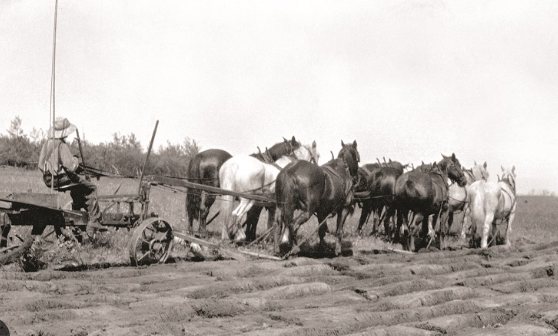
Draft horses have been central to agriculture for centuries, playing significant roles in farming practices before the advent of modern machinery. Initially bred for heavy work, their strength made them essential for plowing fields and transporting goods. Programs that educate about these horses can offer insight into how traditional farming methods shaped communities and economies.
For instance, during the late 19th century, draft horses like the Clydesdale and Percheron were crucial in many parts of North America and Europe. Schools and educational programs can showcase historical artifacts, photos, and even firsthand accounts, making history come alive and accessible to students.
-
- Conduct workshops on harnessing techniques.
-
- Include historical narratives in educational materials.
-
- Encourage field trips to farms that utilize draft horses.
-
- Involve local history experts in presentations.
2. Promoting Sustainability through Draft Horses
Beyond their historical significance, draft horses are increasingly recognized for their role in sustainable agriculture. Unlike modern machinery, they produce zero emissions and can work in sensitive environments where heavy equipment might cause damage. By incorporating this knowledge into educational programs, we can highlight sustainable practices that can be adopted by today’s farmers.
In addition to their environmental benefits, draft horses can often be more cost-effective than gas-guzzling tractors. They require relatively low maintenance costs and can be fed on grass and hay, making them a resource-efficient choice for smaller farms. Educators can demonstrate how these animals play a role in reducing the carbon footprint associated with farming.
-
- Encourage students to research sustainable farming practices.
-
- Highlight successful case studies of farms using draft horses.
-
- Foster discussions on the environmental benefits of using draft horses.
-
- Consider partnerships with agricultural sustainability organizations.
3. Enhancing Hands-On Learning Experiences
A significant part of agricultural education is hands-on learning, and draft horses provide a unique opportunity for direct interaction. Programs that include care and training of draft horses can instill valuable life skills in participants, such as responsibility, empathy, and teamwork. Students can learn about grooming, feeding, and even driving these majestic animals, creating memorable educational experiences.
Moreover, integrating draft horses into educational settings fosters community involvement. Local farmers can be invited to share their experiences, bridging the gap between classroom education and real-world application. This kind of experiential learning encourages students to appreciate the importance of agriculture in society.
-
- Arrange hands-on workshops with local farmers.
-
- Implement student-led projects involving draft horses.
-
- Encourage volunteering at local farms that use draft horses.
-
- Develop a mentorship program pairing students with farmers.
4. Building Community Awareness and Engagement
Educational programs focusing on draft horses can greatly enhance community engagement. Host fairs, open houses, or demonstrations that showcase the capabilities of draft horses and their importance in agriculture. These events not only educate attendees but also inspire interest in local farming and agricultural heritage.
By involving the local community, such programs can create an atmosphere of shared learning and collaboration. Engaging community members can also lead to increased support for local farms and the preservation of traditional farming practices, which can contribute to local economies.
-
- Plan community events that celebrate agriculture.
-
- Collaborate with local organizations for resources and speakers.
-
- Promote awareness of local draft horse breeds and their benefits.
-
- Encourage family participation in agriculture-related activities.
In conclusion, integrating the educational value of draft horses into agricultural heritage programs offers numerous benefits that extend beyond the classroom. These programs can inspire a new generation of environmentally-minded farmers, ensuring that both the history and the future of agriculture are honored and preserved. Consider reaching out to local agricultural organizations to explore ways to enhance educational initiatives in your community.