Draft horses are not only known for their incredible strength and utility; they also possess distinct personality traits that can vary significantly across different heavy breeds. Understanding these traits can help potential owners or enthusiasts choose the right breed that aligns with their lifestyle and needs.
1. The Clydesdale: Gentle Giants with a Touch of Spirit
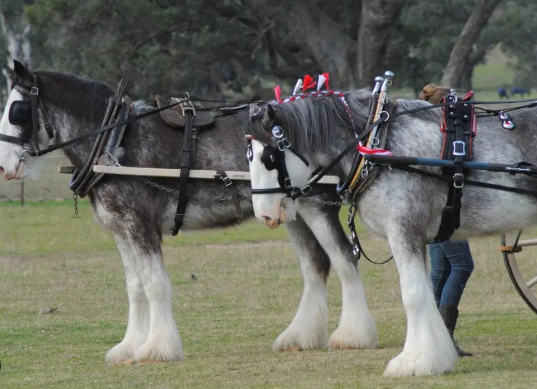
Clydesdales are often recognized for their beautiful feathering on their legs and towering stature. Known for their friendly and calm demeanor, they possess a social nature that makes them excellent companions. However, they also show a spirited side, occasionally displaying independence and a playful attitude. This unique blend of gentleness and playfulness makes them a joy to work with but requires a careful approach to training and handling.
Due to their size and strength, handling a Clydesdale requires confidence and knowledge. It’s essential to establish clear communication from the beginning. Owners should be prepared for moments of spirited behavior, particularly in young horses, and remain patient and consistent in their handling techniques. For those who understand and build a rapport with a Clydesdale, the payoff is a loyal and affectionate companion.
-
- Spend time bonding with your Clydesdale to understand their unique personality.
-
- Be patient and consistent with training to encourage good behavior.
-
- Ensure a safe environment as they can be playful and exuberant.
-
- Utilize positive reinforcement to strengthen your relationship.
2. The Percheron: Steady and Hardworking
The Percheron is renowned for its incredible work ethic and calm demeanor. Originating from France, this breed is often described as the ideal draft horse for heavy farm tasks, thanks to their adherence to duty and reliability. Their personality traits demonstrate a solid balance of power and gentleness; they are known to be more reserved around unfamiliar situations but are incredibly affectionate with their handlers.
Training a Percheron can be an incredibly rewarding experience due to their predictable temperament. They respond well to structured training routines and appreciate a steady approach to learning. Owners will find that they thrive when given tasks that engage them mentally and physically—ensuring that their natural inclination toward hard work is put to good use.
-
- Focus on structured training sessions to build their skills.
-
- Provide plenty of exercise to maintain their physical health.
-
- Encourage problem-solving activities to engage their mind.
-
- Give consistent feedback to make them feel secure and understood.
3. The Belgian Draft: Strong but Affectionate
The Belgian Draft horse is a powerhouse known for its remarkable strength and placid temperament. Known for their large frame, they have a soft disposition, often becoming very attached to their owners. This breed is very patient and tends to stay mellow even in stressful situations, making them suitable for various roles, from farm work to leisure activities.
What makes the Belgian such a delightful draft horse is its eagerness to please. They tend to enjoy human companionship and thrive on affection. However, like all horses, they require proper training and socialization from an early age. Regular interaction can ensure that a Belgian remains well-balanced and unflappable in new situations.
-
- Engage in regular grooming to strengthen your bond.
-
- Introduce new experiences gradually to build confidence.
-
- Utilize bonding exercises to enhance trust levels.
-
- Understand their cues; they may show affection through gentle nudges.
4. The Suffolk Punch: The Gentle Workhorse
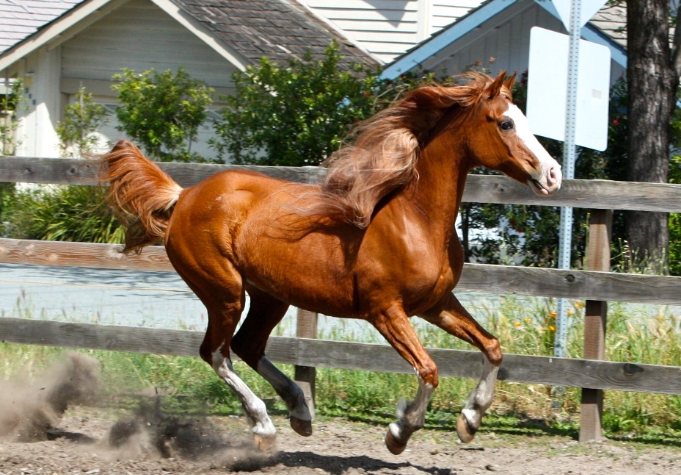
Although not as commonly known, the Suffolk Punch is a breed worth noting for its affectionate nature and willingness to work. These horses are characterized by their solid, compact build and distinctive chestnut color. They generally have a calm demeanor, making them well-suited for both work and family settings. Their gentle personality often makes them favorites among children and novice horse handlers.
Training a Suffolk Punch can be particularly rewarding because they often adapt well to various tasks, including riding and draft work. Their cooperative nature usually makes them eager to learn and participate in new activities. As they are quite intelligent, it is vital to keep training sessions engaging and similar to the learning style they appreciate, which is mostly hands-on and interactive.
-
- Incorporate variety into training to keep their interest piqued.
-
- Use playful methods to teach commands and tasks.
-
- Establish routines to make them feel secure during training.
-
- Encourage socialization with both humans and other animals.
Choosing the right draft horse is an important decision that encompasses understanding their unique personality traits. By considering the specifics of each breed, potential owners can align their lifestyle and preferences with the horse’s temperament. Whether you choose a spirited Clydesdale, a steady Percheron, a gentle Belgian, or a cooperative Suffolk Punch, investing time in understanding and training will lead to a rewarding partnership. Consider visiting local breeders or trainers to discuss your options further and find the perfect draft horse for you.