Draft horses hold a unique place in the heart of many countryside communities, symbolizing strength, tradition, and connection to the land. As agriculture evolves, these majestic animals continue to play a vital role in shaping cultural identities through farming, fairs, and family legacies.
1. The Historical Role of Draft Horses
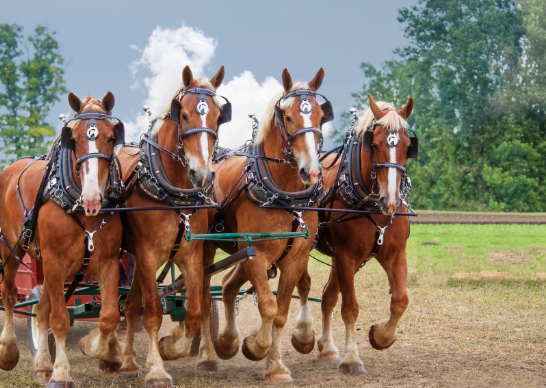
Historically, draft horses were essential to farm life, performing heavy tasks that mechanization later replaced. Breeds such as the Clydesdale, Percheron, and Shire were celebrated for their ability to pull plows and harvests efficiently. As tractors became the norm, many communities faced an identity crisis, wondering what the future held for these proud beasts.
Despite this shift, some farmers have turned back to using draft horses for sustainable agriculture. They are often seen as a symbol of eco-friendly farming practices, minimizing soil compaction and providing natural fertilizer. This renewed appreciation has led to local festivals celebrating draft horse heritage, drawing in visitors and fostering a sense of community pride.
-
- Research drafts horses’ contributions to your local agricultural history.
-
- Visit historical farms that still utilize draft horses.
-
- Attend local fairs or events showcasing draft horse competitions.
-
- Talk to older generations about their experiences with draft horses.
2. Draft Horses in Modern Agriculture
In today’s agriculture, many farmers are rediscovering the benefits of draft horses. They can navigate challenging terrain where machinery struggles, making them indispensable in specific regions. Additionally, they provide a way to farm sustainably and promote biodiversity, as they work harmoniously with nature.
Moreover, the cultural identity tied to draft horses often reflects a commitment to community involvement. Farmers using these gentle giants frequently engage with others, sharing practices and knowledge about sustainable farming that honors traditions while embracing modern techniques. This coalescence strengthens ties within the community and sustains the cultural narrative surrounding rural life.
-
- Consider incorporating draft horses into your farming methods if sustainable options appeal to you.
-
- Network with local farmers already using draft horses for insights.
-
- Explore workshops that teach effective techniques for training and caring for draft horses.
-
- Document your experiences and share with your community to cultivate interest.
3. Community Events and Draft Horse Heritage
Community events, such as parades and agricultural fairs, often play a significant role in keeping the spirit of draft horses alive. These events provide an opportunity for families to showcase their horses, learn from experts, and participate in competitions that highlight their skills and beauty. Such gatherings not only celebrate draft horses but also foster connections among community members.
Moreover, educational programs at these events help non-farmers appreciate the importance of draft horses within local history and ecology. Workshops often illustrate the techniques of draft horse handling and care, ensuring that this skill set is passed on to future generations. This knowledge-sharing reinforces community bonds and reinforces the cultural identity rooted in agriculture.
-
- Attend local agricultural fairs to learn more about draft horse heritage.
-
- Participate in workshops to understand the nuances of draft horse care.
-
- Engage with local horse clubs or organizations focused on preserving this heritage.
-
- Bring friends or family to events to increase awareness and appreciation.
Draft horses play a crucial role in the cultural fabric of countryside communities. From historical roots to modern practices, they continue to symbolize heritage, sustainability, and community spirit. With ongoing efforts to celebrate and preserve this legacy, the bond between people and these magnificent animals grows stronger every day.
As you delve deeper into the world of draft horses, consider visiting local farms, attending events, and connecting with farmers and enthusiasts in your area. Together, we can keep the cultural identity alive for future generations.