Hoof thrush is a common condition in horses, characterized by fungal infections that can lead to discomfort and complications if left untreated. Understanding how to treat this condition safely is crucial for horse owners who want to ensure the health of their animal’s feet. In this blog post, we’ll explore effective treatments, prevention strategies, and when to seek professional help.
1. Understanding Hoof Thrush and Its Causes
Hoof thrush is primarily caused by a type of fungus, usually found in wet and unsanitary conditions. When horses are kept in muddy or damp environments, the bacteria thrive and invade the hoof, leading to thrush. Symptoms may include a foul odor, black discharge, and sensitivity around the frog of the hoof, which may cause your horse to be hesitant when walking or standing.
It’s important to note that while thrush is not typically severe, it can lead to more serious issues such as laminitis if not addressed promptly. Horses with compromised immune systems or those that have been on antibiotics are more susceptible to this affliction. Recognizing the early signs can help in administering timely treatment, promoting quicker recovery.
-
- Inspect hooves regularly for early signs of thrush.
-
- Keep the living environment clean and dry.
-
- Provide proper hoof care through regular trimming.
-
- Be aware of any changes in your horse’s gait or behavior.
2. Safe and Effective Treatment Options
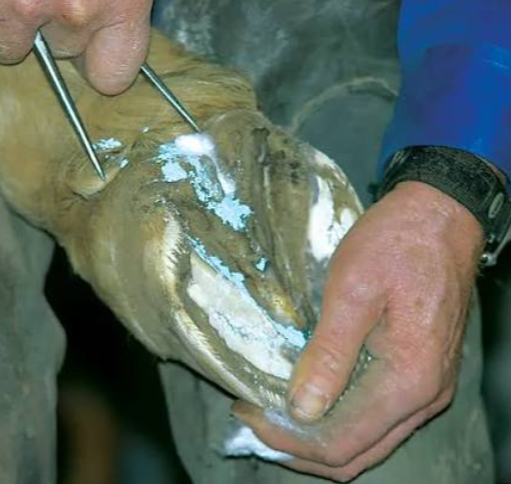
Treating hoof thrush involves a combination of cleaning, medicating, and environmental adjustments. Start by cleaning the affected area thoroughly. This can be done by picking out the hooves and cleaning them with warm, soapy water. You may also want to scrub the area with a soft brush to remove any debris or dirt that may be harboring fungi.
After cleaning, dry the hoof thoroughly and apply a medicated ointment or solution designed specifically for thrush. Products containing antifungal agents like copper sulfate or tea tree oil can be particularly effective. Always follow the product instructions, and consult a veterinarian if you have any uncertainty about the treatments.
-
- Clean hooves daily until symptoms subside.
-
- Apply topical antifungal treatments as directed.
-
- Monitor the horse’s comfort levels and behaviors closely.
-
- Consider herbal treatments that can complement veterinary advice.
3. Preventive Measures to Avoid Hoof Thrush
Preventing hoof thrush is as important as treating it. The first step is to ensure that your horse’s living environment is dry, clean, and well-maintained. Regular removal of manure and soiled bedding can significantly reduce moisture levels and the likelihood of fungal growth. Providing a dry standing area can also help, especially during rainy seasons.
Additionally, regular hoof care is essential. Trimming your horse’s hooves every six to eight weeks can help maintain their health and prevent thrush. Using hoof conditioners or preventive measures, like a protective sealant or powder, can create a barrier against moisture and pathogens.
-
- Establish a routine hoof cleaning schedule.
-
- Use hoof thrush prevention products proactively.
-
- Ensure good drainage in your horse’s living area.
-
- Consult with a farrier for customized hoof care recommendations.
In conclusion, treating and preventing hoof thrush is a proactive process that requires consistent care and attention. By understanding the condition and applying the methods discussed, you can help maintain your horse’s hoof health. Remember to consult a veterinarian if you observe any signs of thrush or if treatments are not effective, as they can offer tailored solutions for your horse’s needs.