Dry weather can significantly impact hoof health in horses, leading to cracking, dryness, and other complications. Understanding the best practices for hoof care during these conditions can help keep your horse comfortable and performing well.
1. Recognizing the Symptoms of Dry Hooves
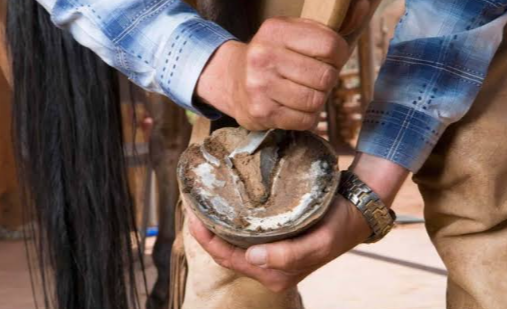
Before you can care for dry hooves, it’s essential to recognize the symptoms. Common signs include visible cracks along the hoof wall, flaking soles, and an overall dry appearance. Horses may also exhibit signs of discomfort, such as limping or resisting hoof handling during grooming or farrier visits.
Monitoring your horse’s hooves regularly will give you a clear picture of their health. Keep an eye out for changes in texture and color. Darker hooves might indicate dampness, while overly light or chalky hooves can indicate dryness that needs attention.
-
- Inspect hooves at least once a week.
-
- Look for cracks, chips, and changes in texture.
-
- Watch your horse during movement for any signs of discomfort.
-
- Keep a journal to track hoof changes over time.
2. Implementing a Moisturizing Routine
The key to mitigating dry hoof conditions is a consistent moisturizing regimen. Use products specifically designed for hoof care, such as hoof oils or conditioners that contain natural ingredients like aloe vera, lanolin, or coconut oil. These products help to penetrate the hoof wall and provide essential moisture.
Applying hoof conditioner after grooming can create a barrier that retains moisture, especially if your horse spends significant time outdoors or on hard surfaces. It’s also beneficial to apply a thicker layer during particularly dry spells, ensuring that the moisture is locked in.
-
- Select a high-quality hoof moisturizer appropriate for your climate.
-
- Apply conditioner daily or several times a week, especially after grooming.
-
- Focus on the hoof wall and soles.
-
- Don’t forget to condition around the frog for extra moisture.
3. Adjusting Diet for Hoof Health
A horse’s diet plays a critical role in maintaining hoof health. Ensure they receive a balanced diet that includes adequate levels of protein, biotin, and essential fatty acids. Biotin, in particular, is vital for hoof integrity, and can often be found in specialized hoof supplements.
Providing access to minerals and vitamins through high-quality hay, grains, and even pasture can enhance your horse’s overall health, which reflects positively on hoof condition. If you notice ongoing issues with dry hooves, consulting a veterinarian about diet additives might be worthwhile.
-
- Incorporate biotin-rich feeds into your horse’s diet.
-
- Consult with a nutritionist for personalized feed options.
-
- Provide fresh, clean water at all times.
-
- Consider adding omega-3 fatty acids for better hoof texture.
4. Providing Proper Environmental Conditions
The environment in which your horse resides significantly affects hoof health. During dry spells, ensure your horse has access to shaded areas to avoid prolonged exposure to the sun, which can exacerbate hoof dryness. Additionally, maintaining a soft, clean substrate in their stable can help protect their hooves from excessive wear and cracks.
Adjusting your horse’s turnout routine can also be beneficial. Rather than allowing constant exposure to hard, dry ground, consider shorter outings on softer surfaces like grass until conditions improve. This type of management can help reduce stress on the hooves and promote healthier growth.
-
- Provide shade and shelter from the sun.
-
- Use bedding that minimizes dust and dryness.
-
- Limit turnout on extremely hard or dry ground.
-
- Rotate grazing areas to protect hoof health.
In conclusion, proactive hoof care during dry weather is essential for the health and comfort of your horse. By recognizing symptoms, implementing a moisturizing routine, adjusting diet, and providing a supportive environment, you’ll be taking important steps toward ensuring your horse remains healthy. Don’t hesitate to consult with a professional farrier or veterinarian for personalized advice and support. Start a hoof care routine today to keep your horse on the path to success!