Lameness and hoof problems are common issues faced by horse owners and trainers alike. Understanding these conditions is crucial for maintaining your horse’s health and performance. In this blog post, we will explore the causes, types, and management of lameness and hoof problems.
1. Understanding Lameness in Horses
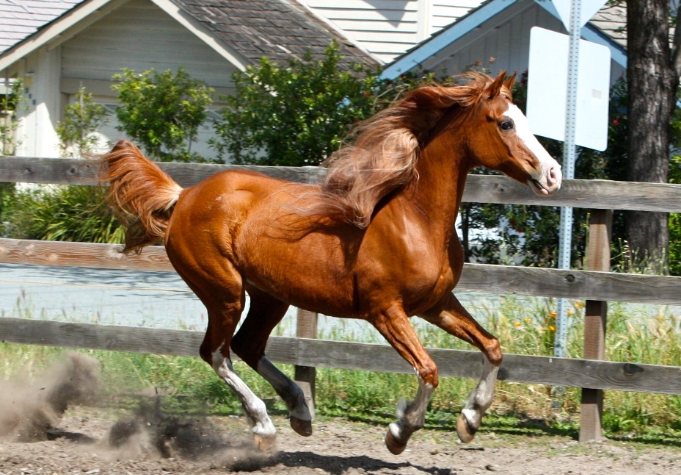
Lameness in horses can manifest as a reduction in the horse’s movement, a change in its gait, or even reluctance to bear weight on a limb. Often, lameness stems from underlying issues such as injuries, arthritis, or unsoundness. The severity of lameness can range from mild and temporary to severe and chronic, which will require immediate and focused attention.
Identifying the specific type of lameness requires a thorough examination by a veterinarian. Common diagnostic methods include visual assessments, movement evaluations, and sometimes imaging techniques like X-rays or ultrasounds. Clear communication with your vet about changes in behavior or gait will help pinpoint the underlying problems more efficiently.
-
- Observe your horse regularly for any signs of uneven movement.
-
- Keep a journal of your horse’s activities and behaviors to discuss with your vet.
-
- Be proactive about hoof care and schedule regular farrier visits.
-
- Manage your horse’s workload to prevent unnecessary strain.
2. Common Hoof Problems
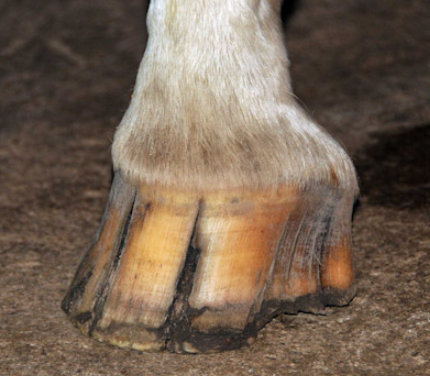
Horses can experience a range of hoof problems that can contribute to lameness. Common issues include laminitis, thrush, and abscesses. Laminitis, in particular, is a painful condition characterized by inflammation of the laminae, the sensitive tissue connecting the hoof wall to the foot. This problem can arise due to factors such as dietary changes, obesity, and stress.
Thrush, on the other hand, is a bacterial infection of the hoof that often occurs in the frog area and leads to discomfort and potential lameness. Abscesses are pockets of pus that can develop within the hoof, typically causing sudden lameness. Regular hoof cleaning and maintenance can prevent these issues from developing or worsening.
-
- Inspect your horse’s hooves frequently for changes in appearance or signs of injury.
-
- Clean your horse’s hooves daily to remove dirt, debris, and dung.
-
- Schedule regular farrier visits for trimming and shoeing as needed.
-
- Provide a balanced diet that supports hoof health.
-
- Monitor your horse’s weight to reduce the risk of laminitis.
3. Preventive Care and Management
Prevention is key when it comes to maintaining hoof health and preventing lameness. Regular hoof care, including cleaning and trimming, is essential in preventing many hoof problems. Proper nutrition also plays a significant role; a balanced diet rich in vitamins and minerals can strengthen hoof structure and resilience.
Additionally, paying attention to the horse’s living environment is vital. Wet or muddy conditions can lead to thrush and other infections. Ensuring that your horse has clean, dry areas to move around in will contribute significantly to their overall hoof health. If possible, use easy-to-clean bedding to minimize exposure to harmful bacteria.
-
- Establish a routine for hoof care that includes cleaning and routine checks.
-
- Choose a balanced feed that includes biotin and other hoof-strengthening nutrients.
-
- Ensure that your horse’s living area is kept clean and dry.
-
- Implement a regular exercise routine that helps maintain fitness without causing stress.
In conclusion, understanding lameness and hoof problems will enable you to take proactive steps to ensure your horse remains healthy and sound. Regular check-ups with your veterinarian and farrier can make a significant difference. Take the next step in caring for your horse by tracking any unusual behaviors and consulting professionals as needed.