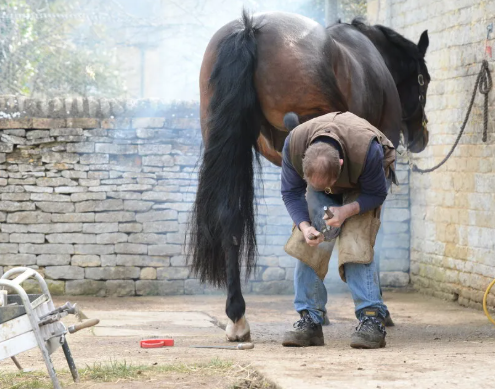
Owning a horse is a rewarding experience, but it comes with various responsibilities, including hoof care. Knowing when to call a farrier is crucial for your horse’s health and performance. Let’s explore some important situations that necessitate a visit from a professional farrier.
1. Regular Hoof Maintenance
One of the most common reasons to call a farrier is to schedule regular hoof care. Horses generally need their hooves trimmed every six to eight weeks, depending on their activity level, hoof growth rate, and whether they are shod. Regular trimming aids in maintaining proper hoof shape and preventing issues like cracks and uneven wear.
A farrier can also provide valuable advice on whether your horse needs shoes to protect their feet while working or competing. If your horse is consistently working on rocky or hard surfaces, or has any foot sensitivity, shoes may be necessary to prevent discomfort or injury.
-
- Schedule a routine hoof care appointment every 6-8 weeks.
-
- Monitor your horse’s hoof growth and wear patterns.
-
- Discuss with your farrier whether your horse requires shoes.
-
- Keep your horse’s environment clean to avoid hoof problems.
-
- Maintain good nutrition for optimal hoof health.
2. Signs of Hoof Problems
Recognizing signs of hoof problems in your horse is crucial for early intervention. Symptoms such as limping, sensitivity to touch, or a change in behavior while being groomed can indicate underlying issues like abscesses, thrush, or laminitis. If your horse displays these signs, it’s essential to call a farrier immediately for an evaluation.
Additionally, pay attention to any odd changes in hoof condition, such as cracks, separation, or excessive wear. These signs can often indicate larger health concerns or improper care that need to be addressed swiftly to avoid more severe damage or discomfort.
-
- Regularly examine your horse’s hooves for any signs of trouble.
-
- Note behavioral changes that may indicate pain.
-
- Look for swelling, heat, or tenderness in the hooves.
-
- Call your farrier promptly if you suspect a hoof problem.
-
- Keep records of any hoof issues for the farrier to review.
3. Special Circumstances
Certain situations warrant an immediate call to your farrier, such as transitioning your horse to a new discipline or environment. For example, if you are moving from a primarily trail riding to more demanding jumping or competitive work, your farrier can make recommendations on the best shoeing options for your horse’s needs.
Another circumstance could arise if your horse has sustained an injury or undergone surgery that affects their hooves. Dealing with repair shoeing or special pads may be necessary to provide proper support as they heal. Your farrier’s expertise is crucial in these scenarios to ensure appropriate hoof protection and maintenance.
-
- Communicate changes in your horse’s activities to your farrier.
-
- Inquire about specialized shoeing options for specific disciplines.
-
- Address any injuries promptly to prevent further complications.
-
- Schedule follow-ups during recovery for proper hoof care management.
-
- Provide your farrier with all relevant health history for better assessment.
In conclusion, knowing when to call a farrier can make a significant difference in the health and performance of your horse. Regular hoof care, monitoring for signs of problems, and being aware of special circumstances will help you maintain your horse’s well-being. Don’t hesitate to consult a professional if you notice any changes; proactive care is key!