Taking care of your horse’s hooves is crucial for their overall health and well-being. Recognizing when to call a veterinarian for hoof issues can mean the difference between a minor problem and a serious health concern. Understanding these signs can help you keep your horse healthy and happy.
1. Signs of Lameness
One of the first signs that something is wrong with your horse’s hooves is lameness. This could manifest as your horse not wanting to walk, favoring a leg, or showing discomfort when being ridden. A vet should be consulted if your horse consistently exhibits signs of lameness, as it could indicate deeper problems such as tendon injuries or abscesses within the hoof.
It’s important not to dismiss lameness as a mere consequence of fatigue, especially if it persists for more than a day or two. Regular inspections can help catch these issues early, and understanding how your horse typically moves is key. For instance, if you notice a sudden change in their gait or behavior, it’s time to seek veterinary assistance.
-
- Watch for signs of reluctance to move or sudden lameness.
-
- Note any changes in your horse’s gait or posture.
-
- Check if your horse is favoring a particular hoof.
-
- Monitor for swelling or heat around the hoof area.
-
- Keep a log of lameness occurrences for vet consultations.
2. Abnormal Growths or Cracks
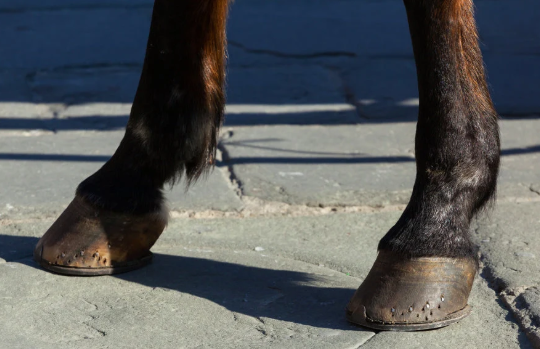
Hoofs should be smooth and well-formed. If you notice any abnormal growths, cracks, or splits in the hoof wall, it’s crucial to consult a vet. Cracks can lead to more severe issues like infections, and abnormal growths may indicate disease or nutritional deficiencies. Regular hoof trimming and maintenance can often prevent these issues, but once they develop, they must be addressed swiftly.
In addition to monitoring the appearance of the hoof, be sure to observe any changes in your horse’s behavior. If they seem uncomfortable or are not walking normally, even after minor trimming, this is another signal that veterinary input is necessary. Hoof problems, if left untreated, can escalate quickly, affecting your horse’s overall mobility and health.
-
- Inspect hooves regularly for signs of cracks or growths.
-
- Consult your farrier for routine trimming and maintenance.
-
- Take photographs to document any issues over time.
-
- Pay attention to your horse’s behavior during hoof cleaning.
-
- Look for signs of infection, like excessive heat or discharge.
3. Increased Sensitivity or Pain
If your horse seems more sensitive during hoof cleaning, or if they flinch or pull away, this may indicate pain or discomfort in the hooves. Conditions like laminitis can cause significant pain and require immediate veterinary care. Observing how your horse reacts to pressure on the hooves is critical; a horse that usually enjoys hoof care but suddenly becomes difficult might be experiencing an underlying issue.
To further assess sensitivity, consider checking their response to different surfaces. If your horse is reluctant to walk on hard ground but comfortable on soft, grassy areas, this could be a sign of hoof pain. Document these observations and share them with your vet during your consultation for a clearer picture of your horse’s condition.
-
- Test sensitivity by applying gentle pressure to each hoof.
-
- Observe their reaction to walking on different surfaces.
-
- Conduct regular hoof care routines to establish a baseline of comfort.
-
- Report any changes in responsiveness to your vet.
-
- Consider a hoof health assessment once a year with a professional.
4. Unusual Odors or Discharge
Strong, foul odors emanating from a horse’s hooves can indicate serious issues such as thrush or infections. These conditions often come with a discharge that can be alarming, and neglecting them can lead to painful conditions for your horse. It’s essential to get a vet involved if you encounter any strange smells or discolored discharge from the hoof.
In addition to smells and discharge, monitor your horse for signs of systemic infection, such as fever or loss of appetite. These symptoms, combined with hoof issues, can signify that immediate veterinary intervention is necessary. Maintaining a clean environment and proper hoof care can help prevent infections, but promptly addressing any harmful signs is crucial.
-
- Perform visual inspections for odors or unusual discharges.
-
- Ensure you’re using clean equipment for hoof care.
-
- Keep the hoof area clean and dry to minimize infection risks.
-
- Consult a vet immediately if unusual odors are detected.
-
- Check for signs of pain or decreased mobility along with the smell.
Paying attention to your horse’s hoof health is vital for their overall well-being. By recognizing signs that warrant a trip to the vet, you can ensure your equine partner remains sound and healthy. Don’t hesitate to seek professional advice whenever you feel uncertain; your horse deserves the best care possible!