Preparing for a farrier visit is crucial for horse owners who want to ensure the best care for their equine partners. Whether you’re a seasoned owner or new to horse care, understanding what to do before the farrier arrives can make a significant difference in the quality of the visit and your horse’s well-being.
1. Gather Essential Tools and Supplies
Before your farrier comes for a scheduled visit, it’s important to gather all necessary tools and supplies. Having everything on hand can make the process smoother and more efficient. Basic supplies include hoof picks, brushes, and a well-maintained halter and lead rope. Ensure that your horse’s grooming area is clean and free from distractions to create a calming environment.
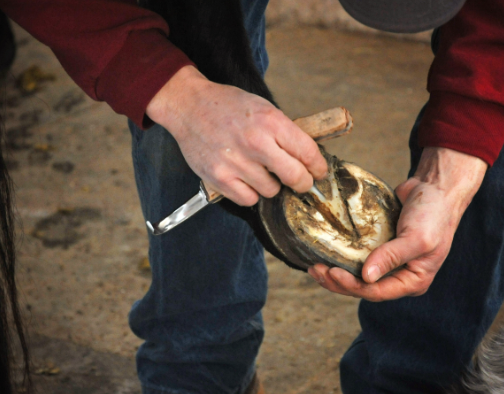
Additionally, be aware of any specific tools your farrier might need for your horse’s special requirements, like a rasp or nippers for trimming. It’s a great idea to communicate with your farrier ahead of time to discuss any specific concerns or requests, so they can bring along any specialty tools or equipment needed.
-
- Gather your halter, lead rope, and a hoof pick.
-
- Clean up the hoof area to remove debris and provide a safe environment.
-
- Have a brush on hand for grooming before the hoof inspection.
-
- Coordinate with your farrier to find out if any additional tools are necessary.
-
- Prepare a quiet space free of distractions for the horse.
2. Understand Your Horse’s Needs
Each horse has unique hoof care needs based on their breed, activity level, and living conditions. Understanding these specific needs can aid you in having a productive farrier visit. For instance, a performance horse might require frequent shoeing, while a pasture-kept horse might need less intervention. Consult with your veterinarian if you notice any changes in your horse’s movement or comfort, as these could indicate hoof-related issues.
Before the visit, take notes about any unusual behavior or hoof problems you’ve observed, such as limping or uneven wear on the hooves. This information will be valuable for both you and the farrier, as they can tailor their approach to address your horse’s specific condition more effectively.
-
- Evaluate the horse’s movement and behavior before the visit.
-
- Document any hoof problems, such as cracks or bruising.
-
- Know your horse’s shoeing history and any previous interventions.
-
- Consider your horse’s activity level to determine shoeing frequency.
-
- Discuss any changes with your vet before the farrier arrives.
3. Prepare Your Horse for the Appointment
Getting your horse ready for the farrier can significantly impact how the appointment goes. Start with a good grooming session, ensuring their hooves are clean and free of mud or debris. A relaxed horse is much easier for the farrier to work on. You can help your horse calm down with gentle brushing and spending time with them as you prepare.
Additionally, make sure that your horse is familiar with standing quietly in a designated area, such as a cross-tie or a safe, flat surface. Practice standing for short periods to reduce anxiety during the farrier’s visit. This practice allows your horse to feel more comfortable and secure when it’s time for the actual work, creating a better environment for both your horse and the farrier.
-
- Groom your horse and clean its hooves before the appointment.
-
- Practice standing quietly in a safe environment.
-
- Spend time with your horse to foster a calm atmosphere.
-
- Consider using treats as a reward for calm behavior.
-
- Have water available to keep your horse hydrated.
4. Communicate Expectations Clearly
Effective communication with your farrier can lead to significantly better outcomes for your horse’s hoof care. Before the visit, outline any concerns you have regarding your horse’s feet, such as previous issues or specific challenges. Being transparent about your expectations allows the farrier to adjust their approach accordingly, ensuring that your horse receives the best possible care.
Don’t hesitate to ask questions during the appointment. Farriers are usually very knowledgeable and can offer advice on maintenance, hoof health, and even general horse care. Open conversation fosters a positive relationship with your farrier and ensures that all parties shares the same goals for your horse’s well-being.
-
- Outline your expectations and concerns before the visit.
-
- Ask questions about the techniques and tools they plan to use.
-
- Discuss your horse’s specific needs related to their work environment.
-
- Be open to suggestions and advice from the farrier.
-
- Set up a clear plan for follow-ups or future visits if needed.
5. Follow Up After the Appointment
Once your farrier has finished their work, it’s essential to monitor your horse closely for any signs of discomfort or abnormal behavior. Check the hooves after the farrier leaves—look for any signs of swelling, heat, or unusual stance. If you observe anything concerning, reach out to your farrier promptly to discuss it.
Moreover, maintaining an ongoing communication line with your farrier regarding your horse’s progress can ensure that any issues are caught early. Consider scheduling appointments in advance and keep a record of hoof care and any specific observations for reference during future visits.
-
- Observe your horse closely for signs of discomfort post-visit.
-
- Keep a record of hoof care dates and notes for future reference.
-
- Contact your farrier if you notice any abnormal behavior.
-
- Schedule follow-up appointments in advance for consistency.
Being adequately prepared for a farrier visit can significantly enhance your horse’s hoof health and overall well-being. By gathering the right supplies, understanding your horse’s needs, and communicating effectively, you can ensure that each farrier appointment is as smooth and productive as possible. Take these steps today to pave the way for a healthier, happier horse.