Understanding horse hoof anatomy is essential for any horse owner and equestrian enthusiast. The hoof is a complex structure that plays a crucial role in the horse’s overall health and performance. In this article, we will delve into the different components of horse hooves, offering insights into their functions and care.
1. Components of the Horse Hoof
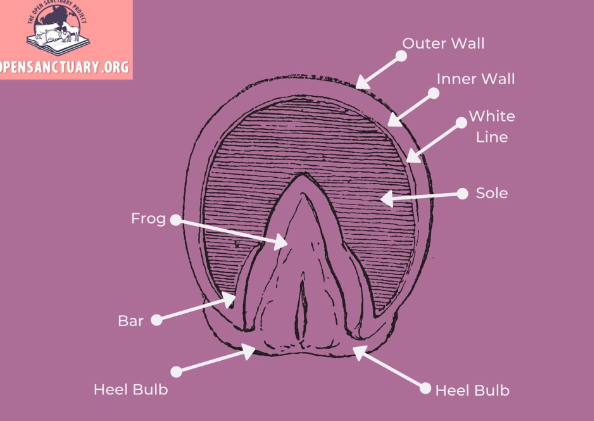
The horse hoof is composed of several vital components that work together to support the horse’s weight and provide stability during movement. The outer layer, known as the hoof wall, is made of keratin and protects the inner structures. Beneath the hoof wall is the sensitive laminae, which connects the hoof wall to the coffin bone and supplies nutrients to the hoof. Understanding these components is essential for maintaining hoof health.
Additionally, the sole, frog, and digital cushion are significant parts of the hoof structure. The sole is the bottom surface that provides protection, while the frog acts as a shock absorber and aids in circulation. The digital cushion even helps in dissipating forces during impact, ensuring the horse can perform effectively. Learning about these components enables horse owners to spot potential issues and take proactive measures.
-
- Inspect your horse’s hooves regularly for signs of wear.
-
- Consult with a farrier about trimming and shoeing needs.
-
- Keep the hooves clean and dry, especially after riding.
-
- Maintain a balanced diet to promote hoof health.
2. Common Hoof Problems and Solutions
Horses can face several hoof problems, ranging from thrush to laminitis. Thrush is a bacterial infection that affects the frog, often resulting from wet, unsanitary conditions. It can be identified by a foul smell and black, necrotic material. To combat thrush, it’s essential to keep the environment clean and dry, ensuring proper airflow around the hooves.
Laminitis, on the other hand, is a severe condition characterized by inflammation of the laminae. This can be caused by various factors, including overeating or metabolic issues. Recognizing the signs of laminitis early, such as limping or reluctance to move, can help in seeking timely veterinary intervention to prevent severe complications.
-
- Monitor your horse’s diet to avoid overeating sugar-rich feed.
-
- Provide a clean, dry living space to minimize thrush risks.
-
- Implement routine hoof care practices with your farrier.
-
- Stay informed about your horse’s general health and behavior changes.
3. Hoof Care Best Practices
Regular hoof care is crucial for preventing issues and ensuring your horse remains sound and comfortable. One essential practice is regular trimming every 4-8 weeks, as this helps maintain the hoof’s shape and prevents overgrowth. Horse owners should also learn how to clean their horse’s hooves daily, as keeping them free of debris and mud can prevent infections.
A nutritious diet plays a substantial role in hoof health as well. Ensuring your horse receives adequate vitamins and minerals, particularly biotin, can contribute to stronger and healthier hooves. Providing them with quality forage and fresh water is vital; this not only supports their overall health but also aids in hoof growth and resilience.
-
- Schedule regular farrier visits for trimming and shoeing.
-
- Daily clean out your horse’s hoof to remove dirt and debris.
-
- Offer a balanced diet rich in necessary vitamins and minerals.
-
- Monitor hoof growth and wear patterns closely.
In conclusion, educating yourself about horse hoof anatomy and care practices can significantly impact your horse’s overall wellbeing. Whether it’s identifying potential issues or implementing a proper hoof care routine, proactive measures will help ensure your horse remains healthy and happy. For your horse’s specific needs, don’t hesitate to consult a veterinarian or a qualified farrier for professional advice.