The hoof of a horse is a complex structure that serves several critical functions, including support, shock absorption, and protection for the sensitive inner tissues. Understanding the different parts of a horse hoof not only helps in maintaining hoof health but also enhances overall horse care and performance. Let’s delve into the anatomy of a horse hoof and its various parts.
1. The Hoof Wall
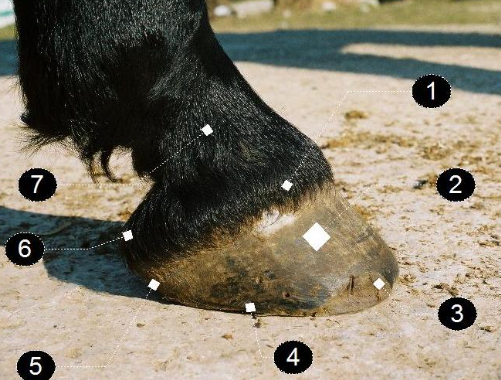
The hoof wall is the most visible part of the horse’s hoof and is primarily made up of keratin—similar to human nails. It has three distinct zones: the toe, quarters, and heel. The hoof wall serves to protect the inner structures of the hoof while providing support during activities like running and jumping. Regular inspection and proper trimming are essential for maintaining the integrity of the hoof wall.
In addition to protection, the hoof wall plays a significant role in weight distribution. An uneven or unhealthy hoof wall can lead to lameness and other serious issues. It’s also essential to pay attention to signs of cracking or chipping, which can signify that the horse’s nutrition or management needs adjustment.
-
- Inspect the hoof wall for cracks or chips regularly.
-
- Ensure your horse has a balanced diet to support hoof health.
-
- Schedule regular trims every 6 to 8 weeks, depending on growth.
-
- Consider using hoof dressings to keep the wall hydrated.
2. The Sole
The sole is the underside of the hoof that provides a protective layer between the ground and the sensitive inner structures. Unlike the hoof wall, the sole is slightly concave and should never be trimmed too closely as it can lead to discomfort or injury. It’s essential for the sole to maintain some degree of thickness to help protect the sensitive tissues, particularly in harsh environments.
A horse’s sole can often become more pronounced in a natural environment where they walk on varied terrain. However, in managed settings, such as stables or arenas, hooves may need supplemental care. Pay attention to changes in color or texture, which can indicate underlying problems, such as thrush, a fungal infection that can compromise hoof integrity.
-
- Keep the hoof area clean to prevent infections.
-
- Provide areas for your horse to move around and strengthen their hooves.
-
- Check for signs of thrush or other infections regularly.
-
- Consult a veterinarian if you notice unusual changes in the sole.
3. The Frog
The frog is a V-shaped structure located on the underside of the hoof, and it plays a vital role in the hoof’s overall health and function. As a primary shock absorber, the frog helps cushion the impact of the horse’s weight on hard surfaces. Additionally, it assists in blood circulation within the hoof, acting like a pump as the horse moves.
The condition of the frog can indicate overall hoof health. A healthy frog should be firm and resilient, while a soft or mushy frog may indicate poor hydration or inadequate nutrition. Regular attention is critical to ensuring that the frog is not affected by problems such as thrush or other infections, which can significantly impair the horse’s mobility.
-
- Regularly clean the frog area during hoof picks.
-
- Check for any signs of thrush or soft tissue infections.
-
- Incorporate varied terrain in your horse’s exercise routine.
-
- Maintain balanced nutrition, including biotin supplements for hoof growth.
4. The Digital Cushion
Situated beneath the frog, the digital cushion is essential for the horse’s hoof mechanics. This structure acts as a shock absorber and contributes significantly to blood circulation in the hoof. It expands and contracts with each step the horse takes, providing both support and flexibility. Proper care of the digital cushion ensures that the horse remains comfortable and sound during physical activity.
To keep the digital cushion functioning optimally, regular exercise on varied surfaces is necessary. Debris or stagnant conditions can inhibit its efficiency and lead to discomfort. It’s also important for horse owners to monitor any signs of laminitis, which can adversely affect this area and the hoof as a whole.
-
- Encourage your horse to move on different surfaces.
-
- Limit high-grain diets, which can contribute to metabolic issues affecting the hoof.
-
- Consult a vet if you notice signs of pain or discomfort when the horse is moving.
-
- Incorporate hoof-specific supplements to enhance digital cushion health.
5. The Periople
The periople is a thin layer of tissue that sits at the top of the hoof wall and extends over the coronet band. It produces a special type of hoof material that helps to keep the hoof wall hydrated and nourished. Though not as frequently discussed as other parts, this area is crucial for maintaining overall hoof integrity and preventing dryness and cracking.
The periople is particularly sensitive and can be negatively affected by environmental conditions such as excessive moisture or dryness. Proper management through consistent care is critical to ensuring that the periople remains healthy, which, in turn, protects the hoof wall. Regular cleaning and appropriate trimming are necessary to ensure the periople functions effectively.
-
- Avoid over-washing to prevent drying out the periople.
-
- Make sure your horse’s living environment is supportive of healthy hooves.
-
- Monitor the coronet band for any signs of injury or infection.
-
- Consider applying moisturizing hoof products if your area suffers from dry conditions.
Understanding the parts of a horse’s hoof is essential for any horse owner or enthusiast. By knowing what to look for and how to care for each part, you can help ensure your horse’s hooves remain healthy and strong. Regular veterinarians’ check-ups and a proactive approach to hoof care will lead to a happier, more active horse.