The frog is a crucial part of a horse’s hoof, often overlooked by horse owners. Understanding its structure and function can lead to better hoof care and improved equine health.
1. What is the Frog?
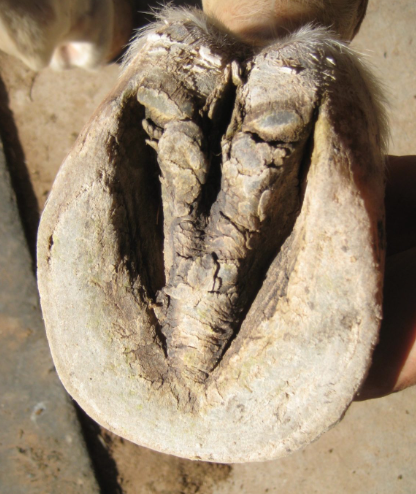
The frog is a V-shaped, rubbery structure located on the underside of a horse’s hoof. This unique feature serves multiple functions, including shock absorption, traction, and aiding in circulation. Its composition is primarily made up of a resilient keratin that provides flexibility and durability, which is essential for a horse that spends much of its time moving on various terrains.
In terms of anatomy, the frog aids in the overall structure of the hoof, acting like a cushion that absorbs shock as the horse moves. Effective functioning of the frog is crucial for maintaining a horse’s overall health, as it helps distribute weight evenly across the hoof. A well-cared-for frog can significantly enhance a horse’s ability to perform various activities, from riding to competitive sports.
-
- Examine the frog regularly for any signs of injury or disease.
-
- Ensure the frog has adequate moisture to maintain its flexibility.
-
- Monitor shoeing practices to avoid damage to the frog.
-
- Clean the hoof thoroughly during each grooming session.
2. The Importance of the Frog in Hoof Health
The frog plays a vital role in hoof health by promoting blood circulation within the hoof. The impact during movement compresses the frog, stimulating blood flow through the digital cushion and the surrounding structures. This mechanism not only helps in nutrient delivery but is also pivotal for waste removal, maintaining overall hoof balance and strength.
A damaged frog can lead to a range of hoof-related issues, such as thrush or laminitis, which can cause pain and discomfort for the horse. Keeping an eye on the condition of the frog ensures timely intervention and aids in preventing more severe health problems. Good hoof care practices are essential not just for performance but also for the welfare of the horse.
-
- Ensure a balanced diet that promotes healthy hoof growth.
-
- Consider regular hoof trims to maintain optimal frog shape and size.
-
- Provide soft ground to reduce impact and stress on the frog during rests.
-
- Be cautious of excessive moisture or dryness which can harm the frog.
3. Common Problems Associated with the Frog
Several issues can arise concerning the health of the frog, including thrush, a bacterial infection, and frog deformities. Thrush is commonly characterized by a foul-smelling secretion and can cause significant pain for the horse. Preventing such problems involves regular cleaning and upkeep of the hoof, to maintain a healthy environment that minimizes the risk of infections.
Additionally, improperly managed frogs may lead to deformities that affect the horse’s gait. A hoof that is not trimmed correctly or a frog that gets worn down too much can compromise the hoof’s anatomy, making it difficult for the horse to walk comfortably. Recognizing early signs of such deformities can save a horse owner from costly treatments and ensure the horse remains sound.
-
- Inspect for any signs of thrush, such as a black, smelly discharge.
-
- Consult a farrier for proper trimming techniques and schedules.
-
- Keep the hooves clean and dry, especially in wet conditions.
-
- Monitor your horse’s behavior for signs of discomfort or lameness.
4. Tips for Maintaining a Healthy Frog
Maintaining the health of the frog requires a proactive approach, focusing on cleanliness and regular care. Start by establishing a grooming routine that includes thorough cleaning of the hooves. This routine helps remove dirt and debris that can foster bacterial growth, which is particularly important for hoof and frog health.
Additionally, consider the type of terrain your horse frequently walks on. Soft surfaces such as grass can be gentler on the frogs compared to hard, rocky terrain. Regular exercise is essential too, but you should balance the work on different surfaces to prevent unnecessary stress on the frog. If you observe any changes in your horse’s behavior or movement, do not hesitate to consult a veterinarian.
-
- Create a regular hoof cleaning routine using brushes and tools.
-
- Adjust your horse’s workload based on hoof condition.
-
- Educate yourself about hoof anatomy to spot issues quickly.
-
- Consider using hoof supplements that promote healthier frogs.
5. When to Seek Professional Help
If you notice persistent issues with your horse’s frog, such as excessive odor, swelling, or visible lameness, it’s essential to seek professional assistance. A qualified farrier or veterinarian can provide targeted treatment and guidance based on your horse’s specific needs. Waiting too long can exacerbate problems and complicate treatment options.
Routine hoof care by professionals ensures that any potential frog problems are addressed early. It is often worthwhile to engage a farrier who has experience with the specific needs of your horse’s breed and discipline. This personalized approach can lead to happier and healthier equine companions.
-
- Schedule regular veterinary check-ups for hoof assessments.
-
- Do not delay in consulting a farrier if you notice changes in your horse’s movement.
-
- Create a log to track any changes or issues with your horse’s frog.
-
- Ask questions during visits to better understand hoof health.
In conclusion, understanding the frog of the horse hoof is vital for ensuring your horse’s overall health and performance. Regular examination and maintenance can avert many common issues, promoting a longer, happier life for your equine friend. If you’re uncertain about your horse’s hoof care routine, consider consulting a professional for tailored advice.