The sole of a horse’s hoof plays a crucial role in its overall health and performance. Understanding its anatomy, function, and care is essential for horse owners and enthusiasts alike. This post will explore the importance of the hoof sole and provide actionable steps for maintaining its health.
1. Anatomy of the Horse Hoof Sole
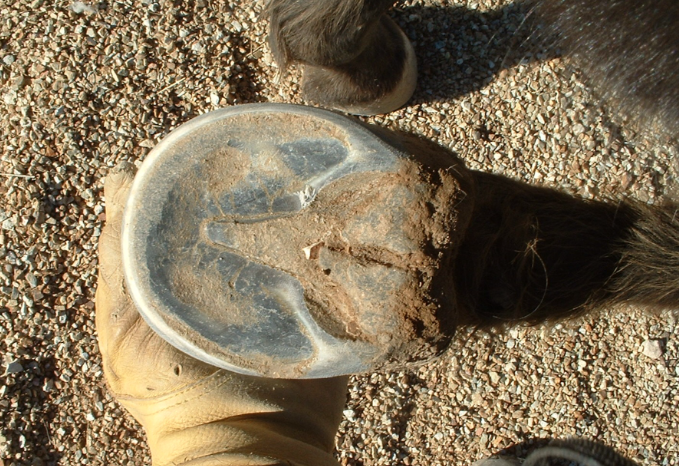
The sole is the bottom part of the horse’s hoof that makes contact with the ground. It is made up of a hard outer layer that helps protect the sensitive structures within. Beneath this outer layer lies the sensitive sole that contributes to the hoof’s overall strength and function. This unique structure not only supports the weight of the horse but also plays a critical role in shock absorption during movement.
Unlike the hoof wall, which is thicker and more robust, the sole is thinner and more pliable, allowing for some flexibility. The overall health of the sole can be influenced by various factors such as diet, environment, and hoof care practices. For example, a horse that spends most of its time on hard surfaces may develop a more resilient hoof sole compared to one that is kept in soft, muddy conditions.
-
- Monitor the thickness of the sole regularly.
-
- Be aware of any signs of dryness or cracks.
-
- Consult a farrier for specialized trimming.
-
- Ensure a balanced diet rich in vitamins and minerals.
-
- Consider your horse’s environment and lifestyle when assessing hoof health.
2. Common Issues Affecting the Sole
Despite its sturdy composition, the hoof sole is susceptible to various conditions that can affect a horse’s performance and comfort. One of the most common issues is thrush, a bacterial infection that can develop in wet or dirty environments, leading to foul odor and pain. Seasonal changes can also impact the sole, making it prone to dryness or cracking if not properly cared for.
Another issue is sole bruising, which can result from uneven surfaces or excessive wear. Shoes can offer protection for the hoof sole; however, improper shoeing practices can exacerbate problems if not tailored to the individual horse. Regular assessments by a qualified farrier can help prevent and identify issues early, ensuring that the horse remains healthy and sound.
-
- Check for unusual odors, cracks, or discoloration.
-
- Keep the hooves clean and dry to prevent infections.
-
- Be vigilant about irregular wear patterns or signs of lameness.
-
- Get routine hoof checks every 6–8 weeks.
-
- Ensure proper shoeing techniques are being used.
3. Care Routine for the Hoof Sole
A consistent care routine is the best approach to maintain a healthy hoof sole. This includes regular cleaning, trimming, and monitoring for any signs of distress. Daily hoof picking can remove debris and help spot potential problems early on. Incorporating a balanced diet rich in biotin and other hoof-supporting nutrients also contributes to optimal hoof health.
Additionally, consider your horse’s living conditions. If your horse is often in wet or muddy areas, it may be beneficial to implement a routine cleaning schedule to ensure the soles are not harboring bacteria. Ensuring your horse has adequate movement can also promote healthy hoof growth and circulation.
-
- Establish a daily hoof cleaning routine.
-
- Trim and balance the hooves as recommended by a farrier.
-
- Invest in nutritious supplements for hoof health.
-
- Limit exposure to wet or unsanitary conditions.
-
- Provide proper footing in stalls and paddocks.
Understanding and caring for the sole of the hoof is pivotal for any horse owner. Regular monitoring, prompt attention to issues, and a solid care routine can prevent many complications and promote long-term hoof health. Consulting a qualified farrier and maintaining open lines of communication can further enhance your horse’s wellbeing.