The white line in horse hooves is a crucial component of equine hoof health and functionality. Understanding its role can help horse owners prevent potential issues that could affect their horse’s performance and welfare. In this post, we will explore what the white line is, its significance, and how to care for it.
1. What is the White Line?
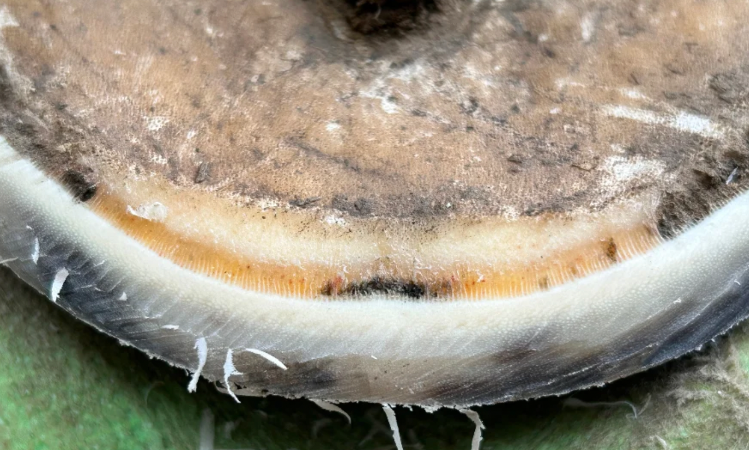
The white line is the area found at the junction between the hoof wall and the sole of a horse’s foot. It’s primarily composed of keratin, the same protein that makes up hair and nails. This unique structure serves as a protective barrier and plays a critical role in hoof integrity by providing connection and support between the hoof wall and the sensitive structures beneath.
Within the white line, there are several layers that contribute to its overall function, including the outer layer known as the laminae. This system is vital for weight-bearing and helps in shock absorption during activity. A healthy white line indicates that the hoof is well-formed and free from diseases that may compromise its integrity, such as laminitis.
-
- Know your horse’s hoof anatomy.
-
- Regularly examine your horse’s hooves for any abnormalities.
-
- Ensure proper trimming and shoeing.
-
- Maintain a balanced diet for hoof health.
2. Signs of White Line Disease
White line disease, a condition also known as seedy toe, occurs when fungi or bacteria infiltrate the white line area, leading to deterioration of the hoof structure. This infection often results in a noticeable separation between the hoof wall and sole, and it can cause significant pain and lameness in affected horses. Early detection is essential for effective treatment before the condition worsens.
Common signs of white line disease include a foul odor coming from the hoof, a visible crack or separation in the white line, and excessive sensitivity in the hoof. If neglected, this condition can lead to serious complications, such as hoof abscesses or even laminitis, impacting your horse’s overall health and performance.
-
- Examine the white line regularly for cracks or gaps.
-
- Monitor for any signs of lameness or discomfort during exercise.
-
- Consult a veterinarian if you notice unusual smells or sensitivity.
-
- Maintain good hoof hygiene by cleaning out debris and dirt.
3. Maintaining a Healthy White Line
Maintaining a healthy white line involves regular hoof care routines, including trimming and shoeing when necessary. Proper hoof care ensures that the white line remains intact, thereby preventing the risk of infections that can lead to white line disease. Depending on the horse’s activity level and lifestyle, frequent inspections and appropriate interventions are essential.
A balanced diet plays a crucial role in hoof health, so providing the right nutrients is vital. Consider incorporating hoof supplements that contain biotin and zinc, which promote keratin production and the overall strength of the hoof. Additionally, avoiding overworked conditions, muddy environments, and unsanitary conditions can greatly enhance the integrity of the white line.
-
- Schedule regular farrier visits for professional hoof care.
-
- Ensure a balanced diet rich in necessary vitamins and minerals.
-
- Provide supplements if needed; consult a vet for guidance.
-
- Keep the horse’s environment clean and dry.
-
- Reduce workload or exposure to soft ground when necessary.
4. Treatment Options for White Line Issues
If your horse is diagnosed with white line disease, several treatment options can effectively address the issue. Early intervention is crucial and typically involves cleaning the affected area and applying a topical antifungal or antiseptic treatment. In more severe cases, the farrier may need to trim away damaged hoof material, providing a clean surface for healing.
Recovery may also require you to limit your horse’s activity during treatment to reduce stress on the hoof. Regular follow-up with the farrier or vet can also help ensure that the white line heals correctly. Implementing proper care routines during recovery can vastly improve the chances of a successful outcome and prevent future issues.
-
- Consult your veterinarian for the best treatment protocol.
-
- Keep the environment dry and clean to promote healing.
-
- Limit the horse’s activity during treatment.
-
- Follow up regularly with your farrier or vet to monitor recovery.
5. Preventative Measures for White Line Health
Preventing issues related to the white line is much easier than treating them. Conducting regular hoof inspections, maintaining cleanliness, and ensuring proper nutrition are key components of a prevention strategy. Additionally, horse owners should be proactive in recognizing the differences between normal and abnormal hoof conditions.
Investing in quality hoof care products, such as hoof dressings and supplements, can also help support white line integrity. The implementation of solid footing in the horse’s living environment reduces impact and injury risks that can affect hoof health. In addition, educating oneself on hoof health will empower horse owners to detect issues early and respond appropriately.
-
- Establish a regular hoof care routine.
-
- Educate yourself on hoof health for early detection.
-
- Use quality hoof care products to improve hoof condition.
-
- Provide adequate shelter to minimize exposure to mud and debris.
In conclusion, the white line in horse hooves is vital to overall hoof health. By understanding its significance and taking preventative measures, you can help ensure your horse remains healthy and thrives. If you’re uncertain about your horse’s hoof condition or notice any abnormalities, don’t hesitate to consult a professional for tailored advice and care.