Seedy toe, also known as thrush or white line disease, is a common hoof condition that can affect horses of all breeds. This condition, caused by fungal or bacterial infections, can lead to discomfort and serious complications if left untreated. Understanding the symptoms, causes, and prevention strategies is essential for maintaining your horse’s overall hoof health.
1. Recognizing the Symptoms of Seedy Toe
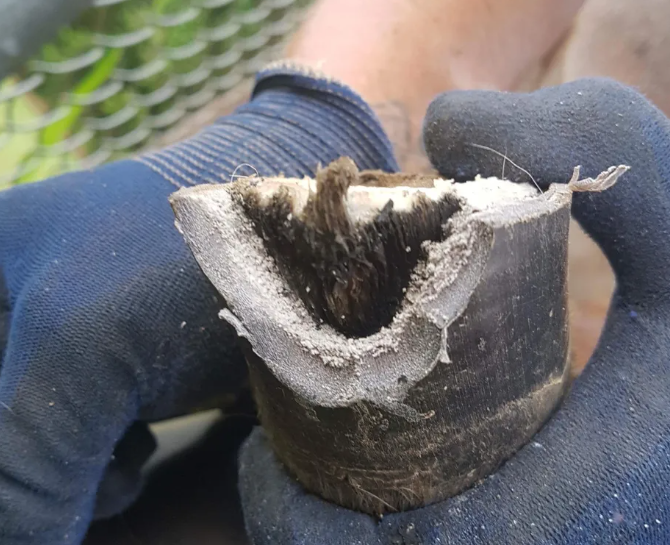
Identifying seedy toe early is crucial for effective treatment. Horses with this condition may display a variety of symptoms, including lameness, sensitivity in the hoof, and an unusual odor emanating from the affected area. You might also notice a separation between the hoof wall and the underlying lamina, which can be seen as a dark, soft, and crumbly material.
Another common indication of seedy toe is the appearance of the hoof itself. The hoof may appear distorted or have an abnormal shape, reflecting the internal damage caused by the infection. It’s essential for horse owners to perform regular hoof inspections, examining not just for visible symptoms but also any signs of discomfort when the horse is standing or moving.
-
- Inspect hooves regularly for any signs of cracks or separations.
-
- Pay attention to any unusual odor coming from the hoof.
-
- Watch for signs of lameness or reluctance to move.
-
- Consult a veterinarian if you notice any abnormalities.
2. Understanding the Causes of Seedy Toe
Seedy toe is primarily caused by an imbalance in the hoof’s ecosystem, which can stem from environmental factors and management practices. Wet, muddy conditions are perfect breeding grounds for the bacteria and fungi responsible for this condition. Horses that stand in wet or filthy environments for prolonged periods are at a heightened risk of developing seedy toe.
Inadequate hoof care plays a significant role in the development of seedy toe. Neglecting regular trimming and shoeing can lead to hoof imbalances, making it easier for the infection to take hold. Additionally, poor nutrition can weaken the hoof structure, contributing to susceptibility to infections. It is vital to create a clean and dry environment for your horse while also focusing on their nutritional needs.
-
- Provide clean, dry stabling for your horse.
-
- Ensure regular hoof trimming and care.
-
- Monitor your horse’s diet for proper nutrition.
-
- Limit exposure to muddy conditions.
3. Treatment and Management Strategies for Seedy Toe
Treating seedy toe effectively requires a comprehensive approach that combines veterinary care and proper hoof management. A veterinarian will often recommend debridement of the affected area to remove the infected material. This process allows for better drainage and promotes healing while also preventing the infection from spreading to surrounding tissues.
After initial treatment, ongoing management is key to ensure that your horse’s hooves remain healthy. This may involve applying antiseptic solutions and keeping the hooves clean and dry. Some horse owners may also opt for natural remedies or supplements to support hoof health, but these should always be discussed with a veterinarian for effectiveness and safety.
-
- Follow your veterinarian’s recommendations for treatment.
-
- Keep the affected hoof clean and dry during recovery.
-
- Regularly apply appropriate antiseptics.
-
- Monitor the hoof’s condition during and after treatment.
4. Prevention Tips for Seedy Toe
Preventing seedy toe is far easier than treating it, and many effective strategies can be employed to protect your horse’s hooves. First and foremost, maintaining a clean and dry living environment is vital. Ensure that the stable and turnout areas are free from excessive moisture and waste to minimize the risk of hoof infections.
Regular hoof care cannot be overstated. Schedule regular visits from a farrier to ensure that your horse’s hooves remain balanced and well-trimmed. Additionally, consider using hoof supplements that promote strength and durability, as well as providing a nutritious diet rich in biotin and other essential nutrients for hoof health.
-
- Ensure stables are regularly cleaned and dried.
-
- Schedule consistent farrier visits for hoof care.
-
- Consider hoof hardeners or supplements if recommended.
-
- Encourage proper hydration and diet for overall health.
In conclusion, awareness and proactive care are critical in managing and preventing seedy toe in horses. Regular hoof inspections, good nutrition, and maintaining a clean environment can significantly reduce the risk of this condition. If you suspect your horse may have seedy toe, consult a veterinary professional for an effective treatment plan and to safeguard your horse’s health moving forward.