Maintaining proper hoof care for horses, particularly concerning navicular syndrome, is crucial for their overall health and performance. This common condition affects the navicular bone and surrounding structures, leading to pain and discomfort. Understanding effective care strategies can help manage symptoms and prevent further complications.
1. Understanding Navicular Syndrome
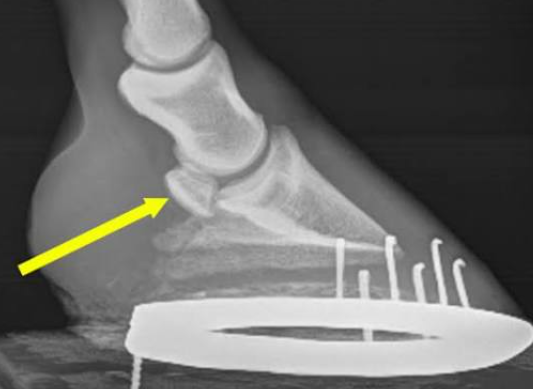
Navicular syndrome is a complex condition, often caused by a combination of factors such as conformational issues, genetics, and the horse’s workload. It primarily affects the navicular bone located at the back of the coffin joint, leading to lameness. Identifying the signs early can allow for better management and treatment options.
Common symptoms include intermittent lameness, especially noticeable when turning or working on hard surfaces. Unlike other conditions, the lameness can vary, sometimes appearing more pronounced after rest. A thorough understanding of these signs is vital for owners, trainers, and caretakers in addressing the issue effectively.
-
- Regularly observe your horse for any signs of lameness, especially after rest.
-
- Note changes in behavior or reluctance to perform specific tasks.
-
- Consult a veterinarian if you suspect any issues.
-
- Track your horse’s exercise and workload to identify patterns in lameness.
2. Proper Hoof Care Techniques
One of the most effective ways to manage navicular syndrome is to ensure proper hoof care. Regular hoof trimming and shoeing can significantly influence a horse’s comfort and performance. Ensuring the hoof is balanced reduces stress on the navicular bone and surrounding structures.
When trimming, consider the horse’s conformation and the way they naturally land on their hooves. A balanced hoof will allow for better weight distribution and minimize compensation patterns that can worsen lameness. It is beneficial to have a skilled farrier who understands the specific needs of horses diagnosed with navicular syndrome.
-
- Schedule regular trims every 4-6 weeks to maintain balance.
-
- Communicate any concerns about your horse’s hoof health with your farrier.
-
- Consider using special shoes that provide additional support around the navicular area.
-
- Avoid overtrimming, as this can exacerbate pain and discomfort.
3. Implementing a Controlled Exercise Routine
A well-structured exercise routine is critical for horses with navicular syndrome. While it is essential to keep the horse active, care must be taken to avoid stress on the affected area. Controlled exercise helps to strengthen the surrounding muscles and improve overall foot health.
Begin with low-impact activities, gradually increasing intensity as your horse becomes more comfortable. Avoid situations that require sudden stops or sharp turns, as these can exacerbate lameness. Regularly assess your horse’s response to different exercise types and adjust accordingly to ensure a pain-free experience.
-
- Incorporate straight-line walk and trot exercises on soft surfaces.
-
- Introduce gentle hill work to strengthen the back and legs.
-
- Avoid intensive training sessions that could lead to overexertion.
-
- Monitor your horse’s reactions during and after exercise.
4. Nutrition and Weight Management
Nutrition plays a significant role in the overall health of horses, especially those dealing with navicular syndrome. Maintaining an ideal body condition is crucial to reducing stress on the hooves and joints. A balanced diet rich in vitamins, minerals, and essential nutrients will contribute to optimal hoof health.
Focus on providing high-quality forage, as well as a diet that supports joint health. Herbal supplements or specialized feeds may also benefit horses with navicular syndrome by providing anti-inflammatory properties and promoting strong hoof growth. Consult with a veterinarian or equine nutritionist to tailor a diet plan that meets your horse’s specific needs.
-
- Monitor your horse’s weight and adjust feed accordingly.
-
- Provide high-fiber, low-starch diets to avoid hormonal imbalances.
-
- Consider adding biotin or other hoof supplements.
-
- Ensure constant access to clean, fresh water.
5. Seeking Professional Help
While there are many self-managed strategies for addressing navicular syndrome, professional input is invaluable. Consulting with a veterinarian ensures a comprehensive examination and accurate diagnosis, which is essential for developing an effective treatment plan. In some cases, collaborating with an equine podiatrist may be beneficial for specialized hoof care.
Regular check-ups can help track the condition’s progression and make adjustments to treatment as needed. Don’t hesitate to reach out for help, as early intervention can make a significant difference in managing your horse’s comfort and performance long term.
-
- Schedule regular veterinary evaluations to monitor your horse’s condition.
-
- Discuss treatment options, including potential medication or therapies.
-
- Keep an open line of communication with your farrier and vet.
-
- Document any changes in your horse’s condition for better assistance.
Taking proactive steps in navicular hoof care is essential for the well-being of your horse. Regular assessments, proper exercise, and nutritional management are key components. Don’t hesitate to seek professional guidance to ensure you are providing the best care possible for your equine friend.