Proper hoof care is essential for maintaining the health and well-being of horses, especially those that frequently walk and work on rocky ground. Rocky terrain can significantly affect hoof structure and overall soundness, making informed care practices vital. In this post, we will explore effective hoof care strategies to ensure your horse remains comfortable and healthy.
1. Understanding the Impact of Rocky Ground
Rocky ground can be harsh on a horse’s hooves. The inconsistent terrain often leads to bruising, cracks, and even serious injuries such as laminitis. Horses that are not acclimated to rocky conditions may experience acute pain or discomfort, which can alter their gait and overall performance.
The impact of rocky ground also extends beyond immediate hoof health. Poor hoof care can cause long-term issues like chronic lameness and joint problems. By understanding how rocky terrain affects hooves, horse owners can implement necessary precautions and care routines to prevent injury.
-
- Assess your horse’s footing regularly.
-
- Provide additional supplements for hoof strength.
-
- Consider using hoof boots for added protection.
-
- Monitor for signs of discomfort, including reluctance to move.
-
- Consult a veterinarian or farrier for periodic check-ups.
2. Hoof Care Practices for Rocky Terrain
Establishing a regular hoof care routine is crucial for horses that work on rocky ground. This routine should include regular trimming and shoeing based on the horse’s individual needs. Horses may require frequent trimming to prevent excessive hoof growth, which can lead to more serious issues on uneven surfaces.
In addition to trimming, choosing the right shoes is equally important. Options include shoes with additional support, grip, and shock absorption. Farriers often recommend specialized shoes that can better handle rough and rocky conditions, making them indispensable for horses used in rugged terrains.
-
- Schedule regular trims every 4-6 weeks.
-
- Choose hoof boots or shoes suitable for rocky ground.
-
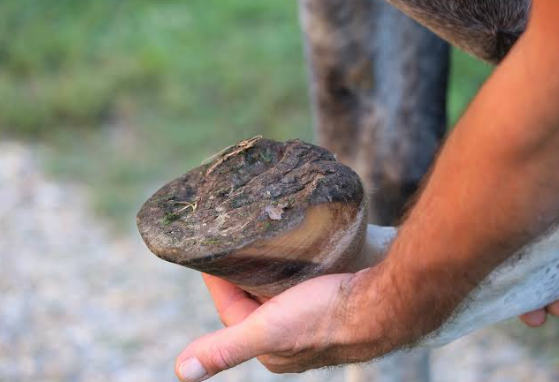
- Check for stones lodged in the hooves daily.
-
- Keep hooves clean and well-maintained.
-
- Hydrate hooves with appropriate oils or conditioners.
3. Nutrition and Supplements for Healthy Hooves
Nutritional factors play a key role in maintaining strong and healthy hooves. A balanced diet rich in minerals and vitamins, particularly biotin, zinc, and magnesium, can enhance hoof growth and resilience against environmental stressors. It is essential to ensure that the comprehensive diet meets your horse’s specific needs based on activity levels and body condition.
Supplements designed for hoof health can also be beneficial. Many horse owners opt to include biotin supplements or specialized hoof formulas in their horses’ diets, especially if they notice signs of weakness or deterioration. Regular monitoring of hoof conditions can guide decisions on when to introduce or adjust these supplements.
-
- Choose high-quality feed with adequate vitamins and minerals.
-
- Incorporate hoof-specific supplements if needed.
-
- Consult with a veterinarian or equine nutritionist.
-
- Monitor weight and overall condition regularly.
-
- Ensure plenty of fresh water is available at all times.
4. Recognizing Signs of Hoof Problems
Being vigilant about hoof health involves recognizing early signs of potential issues. Common signs of hoof problems include limping, unusual wear patterns, and changes in hoof shape. Additionally, observe for heat in the hooves, swelling, or sensitivity when pressure is applied. Addressing these signs promptly can prevent complications that can arise from rocky ground conditions.
Regular hoof inspections should be part of your routine to catch problems early. In addition to physical examinations, keep a record of your horse’s hoof history. Note any previous injuries or issues, as this information can be valuable when consulting with a veterinarian or farrier.
-
- Inspect hooves for cracks, chips, or splits.
-
- Watch for changes in your horse’s gait or behavior.
-
- Feel for heat or swelling in the hooves.
-
- Maintain a health log with inspection dates and observations.
-
- Be proactive about scheduling veterinary appointments if needed.
5. Creating a Safe Environment
Aside from hoof care practices, ensuring a safe living environment is crucial for horses that traverse rocky areas. Designate specific areas with softer footing, such as grass or dirt, for rest and recovery. This not only limits stress on their hooves but also allows them time to recuperate from daily wear and tear.
Fencing and yard layout also play a role in minimizing rocky ground exposure. If feasible, reduce the range of rocky terrain your horse must navigate in its daily routine. This can be especially important during wet or muddy conditions, which can exacerbate hoof issues.
-
- Limit access to highly rocky areas for prolonged periods.
-
- Consider creating a soft grazing area with plenty of grass.
-
- Check and repair any potential hazards in the stable.
-
- Provide adequate shelter from harsh weather conditions.
-
- Install protective mats in high-traffic areas of the stable.
In conclusion, taking proactive measures for hoof care in rocky terrain is essential for maintaining equine health and performance. By following the outlined practices and remaining vigilant about signs of hoof issues, horse owners can implement an effective care routine that promotes long-term soundness and comfort. Don’t hesitate to consult a professional farrier or veterinarian to tailor a specific plan for your horse’s needs.