Hoof care is a crucial aspect of maintaining a horse’s overall health. A well-cared-for hoof not only contributes to a horse’s performance but also significantly impacts its quality of life. Here, we will discuss some common hoof care mistakes to avoid, helping you ensure your horse remains happy and healthy.
1. Neglecting Regular Hoof Trimming
One of the most significant mistakes horse owners make is neglecting regular hoof trimming. Hooves grow continuously, and if they are not trimmed regularly, they can become overgrown, leading to various issues such as discomfort, lameness, and complicated hoof shapes. Ideally, hooves should be checked every 4-6 weeks, depending on the horse’s activity level and growth rate.
For example, a horse in regular training may need more frequent trims compared to a pasture horse. By establishing a routine with a farrier, you can ensure that your horse’s hooves remain healthy and properly shaped. Keeping a calendar to track trimming dates can help you stay organized and proactive about your horse’s hoof health.
-
- Schedule regular hoof trims every 4-6 weeks.
-
- Check hooves at least once a week for signs of overgrowth.
-
- Consult your farrier’s recommendations on trimming schedules.
-
- Keep a calendar for easy tracking.
2. Ignoring Signs of Infection or Injury
Another crucial oversight is ignoring symptoms that could indicate hoof infection or injury. Conditions such as abscesses, thrush, and laminitis often start with subtle signs, such as a change in gait, tenderness, or even a foul smell emanating from the hoof. Early detection is key to preventing more severe problems, so be vigilant and proactive in monitoring your horse’s hooves.
To spot these issues effectively, familiarize yourself with your horse’s normal hoof condition. Regular inspections can help you identify any irregularities before they escalate. Be attentive to your horse’s behavior; if they seem to be favoring a leg or exhibiting discomfort, it’s time to inspect their hooves closely.
-
- Perform visual inspections of hooves at least once a week.
-
- Look for abnormalities such as cracks, unusual odors, or swelling.
-
- Observe your horse’s gait for any signs of lameness or sensitivity.
-
- Consult a veterinarian immediately if you notice any concerning symptoms.
3. Using Inappropriate Hoof Care Products
Choosing the wrong hoof care products can contribute to issues rather than solving them. Many horse owners may select hoof treatments based on trends rather than their horse’s individual needs. For instance, while some products claim to strengthen hooves, they can sometimes lead to over-drying or sensitivity if used incorrectly.
It’s essential to consult with your farrier or equine veterinarian to identify the best hoof care products for your horse’s specific condition. Whether it’s hoof oils, conditioners, or supplements, being informed about the ingredients and their purposes can help you make better choices that support your horse’s health.
-
- Research hoof care products before purchase.
-
- Consult your farrier or veterinarian for recommendations.
-
- Avoid over-application of treatments that may dry out hooves.
-
- Be cautious with trendy products; focus on what your horse needs.
4. Overlooking Environmental Factors
The environment where your horse lives plays a significant role in hoof health. Excessive moisture, muddy conditions, or overly dry environments may lead to different hoof issues. For example, too much moisture can cause thrush, while a dry environment may lead to brittle hooves that easily crack.
To prevent these issues, it is essential to manage your horse’s living conditions effectively. Implementing proper drainage in the stable or paddock can help. Additionally, providing a balanced diet that supports hoof health will aid in maintaining your horse’s overall hoof condition.
-
- Avoid keeping horses in muddy pastures for prolonged periods.
-
- Implement drainage solutions in stables and paddocks.
-
- Consider hoof supplements that ensure balanced nutrition.
-
- Provide adequate shelter to protect against extreme weather conditions.
5. Thinking Shoes Are Enough
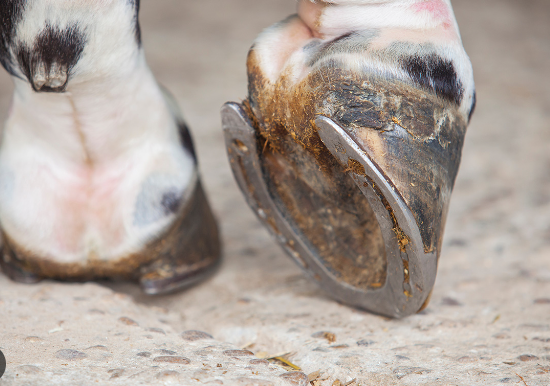
Many horse owners assume that shoeing alone is sufficient for hoof care. However, relying solely on shoes can lead to a false sense of security. Shoes serve a purpose, especially for horses used in demanding activities, but they do not replace the need for ongoing hoof care such as trimming and monitoring hoof health.
It’s important to understand that even shod horses require regular care and attention. Shoes can mask underlying hoof problems that could worsen without proper monitoring. Creating a comprehensive hoof care plan that includes both shoeing and regular trimming can ensure your horse’s hooves remain healthy and strong.
-
- Ensure regular hoof trims whether your horse wears shoes or not.
-
- Monitor the hoof walls and sole for any signs of distress.
-
- Consult with your farrier about the best shoeing options.
-
- Don’t rely solely on shoes to maintain hoof health.
In conclusion, avoiding these common hoof care mistakes can make a significant difference in your horse’s health and performance. Stay proactive by scheduling regular trims, observing for signs of issues, and managing your horse’s environment. By doing so, you can help ensure that your horse enjoys a long, healthy life.