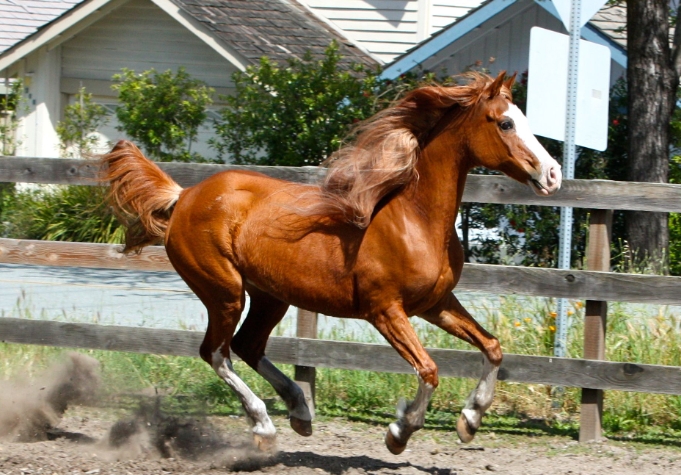
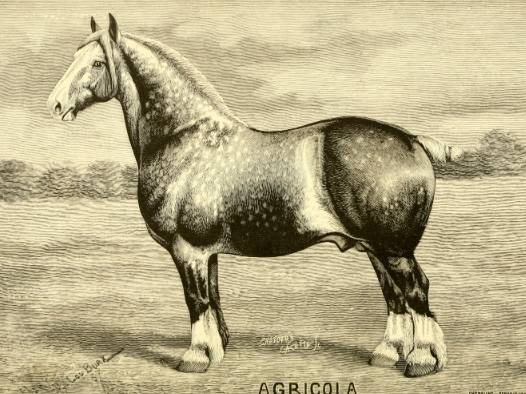
Horses have played a vital role in American history. From the evolution of prehistoric equines in North America, to the reintroduction of horses by European colonists, and the development of Native American cultures, westward expansion, agricultural transportation, and modern equestrian sports, horses have profoundly influenced American social structure, economic activities, and cultural traditions. Understanding the history of American horse development also helps in understanding the formation of different horse breeds and America’s unique equestrian culture.
1. The Origin and Extinction of Horses in North America
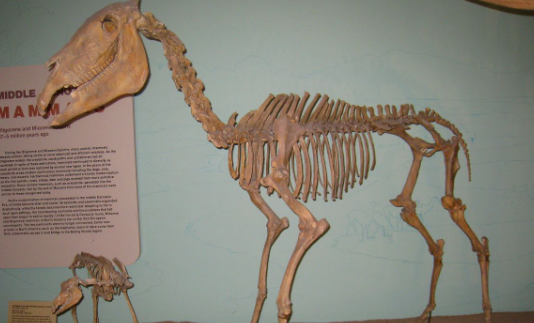
The evolutionary history of equines can be traced back approximately 55 million years, with North America being a crucial region for their early evolution. Early equines were smaller, possessed multiple toes, and differed significantly from modern horses.
With climate change and the expansion of grassland ecosystems, the ancestors of horses gradually developed longer limbs, a single hoof structure suitable for running, and teeth capable of chewing coarse fibrous plants. Some equines migrated to Eurasia via the Bering Land Bridge, where they continued to thrive.
However, around 10,000 years ago, the native horses of North America disappeared. Climate change, altered ecosystems, and human hunting activities are all considered possible contributing factors to this phenomenon. Following this, North America experienced a period of thousands of years without horses.
2. European Colonists Reintroduced Horses to the Americas
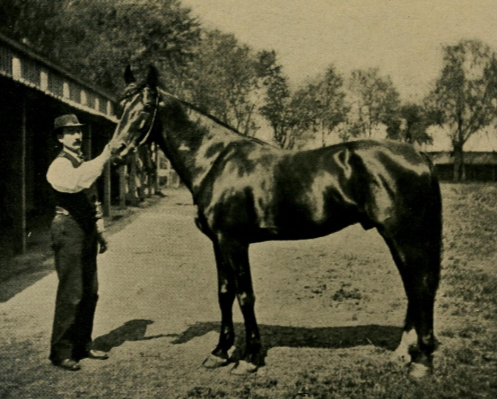
In the late 15th century, with the commencement of European maritime exploration and colonization, horses re-entered the Americas. In 1493, Columbus brought horses to the Caribbean during his second voyage. In the 16th century, Spanish explorers and colonists further introduced horses to the North American continent.
Some horses escaped, were lost, or were traded, gradually spreading to the North American interior and being domesticated and utilized by local indigenous peoples. The arrival of horses transformed the lifestyles of many indigenous tribes, particularly the Comanche, Lakota, and Cheyenne peoples of the Great Plains.
Horse riding enabled these tribes to hunt bison more efficiently, transport supplies, and undertake long-distance migrations, while also promoting trade and cultural exchange between tribes. Horses gradually became important symbols of wealth, social status, and cultural identity.
3. Horses and the History of American West Frontier Development
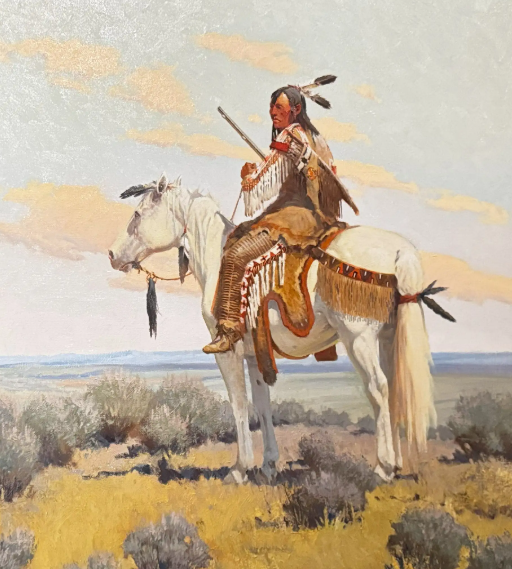
In the 19th century, as the United States expanded westward, horses became vital partners in transportation, livestock farming, and agricultural production.
Cowboys relied on horses to drive herds, patrol ranches, and traverse the vast prairies. Wagons carried passengers and goods, while mounted messengers helped establish communication networks in remote areas. The Pony Express, operating from 1860 to 1861, is a famous example of early American postal transportation history.
This period also saw the formation of a representative equestrian culture in the American West. Galloping horses, mounted cowboys, and the vast prairies gradually became classic visual elements of American Western history, frequently appearing in literature, film, painting, and monumental art.
Modern Horse Galloping Statue continues this classic artistic theme, using the horse’s posture during a gallop to express speed, power, and freedom, evoking the pioneering spirit of American Western culture.
4. The Formation of Representative American Horse Breeds
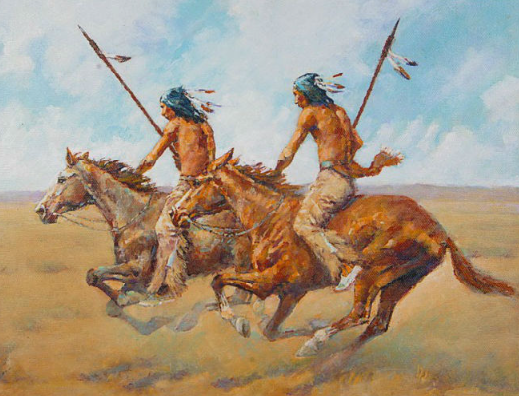
With the development of livestock farming, agriculture, and equestrian sports, the United States gradually bred a variety of horse breeds with unique athletic abilities and physical characteristics.
The American Quarter Horse is renowned for its short-distance explosive power and agility, and has long been used for ranch work and Western equestrian sports. The Morgan Horse, with its compact build, good endurance, and versatility, is one of the earliest representative horse breeds to emerge in the United States.
The Appaloosa Horse is known for its distinctive spotted coat, and its development is closely related to the horse-breeding tradition of the Nez Perth people. The Standardbred Horse was primarily bred for light drive racing, possessing a stable high-speed trot or lateral gait.
In addition, the Mustang Horse of the American West, mainly composed of descendants of domesticated horses reacclimated to the wild, is also an important part of American horse history.
5. The Status of Horses in Modern American Society
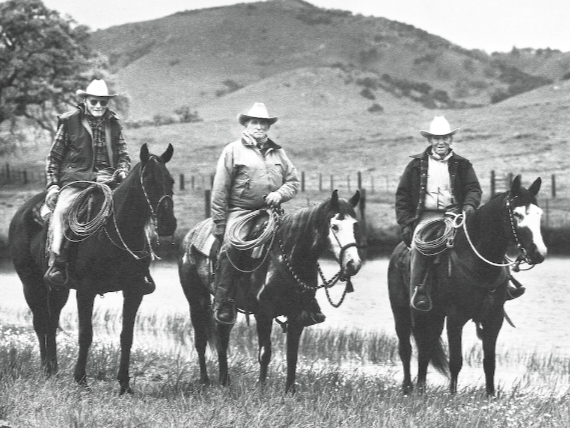
With the development of automobiles, railways, and agricultural machinery, horses gradually lost their traditional role as a means of transportation and production, but they still play an important role in American culture and social life.
Today, activities such as horse racing, dressage, Western riding, barrel racing, ranch riding, and recreational riding continue the long-standing equestrian traditions of the United States. Wild horse conservation, equine welfare, and grassland ecological management have also become noteworthy issues in modern American horse culture.
From prehistoric North American equines to modern equestrian sports, the history of American horses records the processes of natural evolution, human migration, social development, and cultural change. Horses not only witnessed the development of the United States but also became an important medium for understanding its Western history, Indigenous culture, and livestock traditions.