
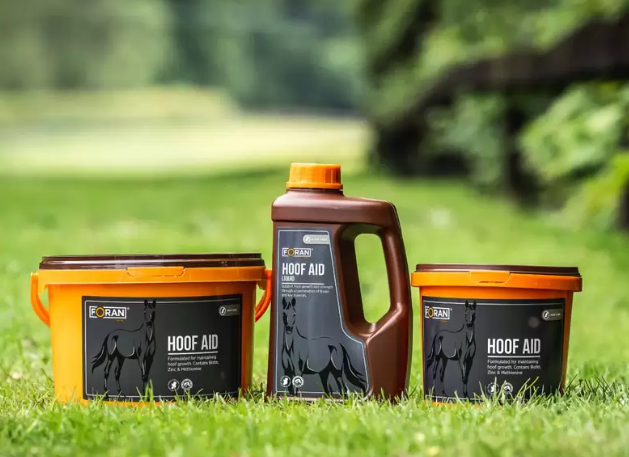
Healthy hooves are vital for your horse’s overall well-being and performance. The right nutrients not only prevent conditions like laminitis or thrush but also promote strong, resilient hoof structure. In this post, we’ll explore the best nutrients essential for maintaining optimal hoof health in horses.
1. Biotin
Biotin is a B-vitamin that plays a crucial role in the development of keratin, the primary structural component of hooves. Studies have shown that adequate levels of biotin can improve hoof strength and growth rates significantly. A daily supplement can help restore hooves that are weak or brittle, promoting resilience and reducing the risk of cracks.
When choosing a biotin supplement, look for products that contain 15-30 mg of biotin per day, though the needs may vary based on the horse’s diet and condition. Consistency is key; it can take several months to see noticeable improvements in hoof quality, so patience is essential.
-
- Add biotin-rich foods such as alfalfa or oats to your horse’s diet.
-
- Consult a veterinarian for recommended dosages of biotin supplements.
-
- Monitor hooves regularly for changes or signs of improvement.
-
- Be patient, as changes can take time (around 6 months for full effects).
2. Zinc
Zinc is another vital nutrient for hoof health; it supports the protein synthesis needed for keratin production. Adequate zinc levels help maintain hoof integrity and can prevent complications such as laminitis. This mineral also plays a role in overall skin and coat health, making it an essential nutrient for your horse’s appearance and well-being.
A deficiency in zinc can lead to weak and brittle hooves. Therefore, incorporating sources like zinc-rich grains or specialized hoof supplements can effectively elevate your horse’s overall hoof condition. Always check the composition of pre-formulated feeds to ensure they contain an adequate level of zinc.
-
- Choose hoof supplements with zinc and other essential minerals.
-
- Include sources of zinc in your horse’s diet, such as legumes and grains.
-
- Check for symptoms of zinc deficiency, like poor hoof growth or excess cracking.
-
- Adjust your feeding plan based on your horse’s specific needs.
3. Omega Fatty Acids
Omega-3 and Omega-6 fatty acids are pivotal not just for hoof health but also for the overall physique of your horse. These fatty acids have anti-inflammatory properties that can promote circulation and help in nutrient absorption in the hoof. Furthermore, they contribute to the overall shine and quality of your horse’s coat.
Sources of omega fatty acids include flaxseed oil, fish oil, and specific commercial equine supplements. It’s worth noting that balance is essential; while Omega-3 aids in hoof health, Omega-6 also plays a part but should be consumed in moderation to avoid inflammation. Finding the right balance can lead to visibly healthier hooves over time.
-
- Incorporate flaxseed or fish oil into your horse’s daily feed.
-
- Choose supplements with a balanced Omega-3 to Omega-6 ratio.
-
- Monitor your horse’s coat quality as an indicator of nutrient absorption.
-
- Adjust fat sources based on your horse’s energy needs.
4. Protein
Hooves are primarily made of protein, which means that an adequate intake is essential for their growth and maintenance. Protein not only builds the keratin structure of the hoof but also supports overall muscle and tissue repair. Horses require a diet that is rich in high-quality protein to maintain robust hoof health.
Incorporating good protein sources such as alfalfa hay, soybean meal, or specifically formulated pelleted feeds can enhance your horse’s hoof resilience. Pay attention to your horse’s workload and adjust their protein intake based on their activity and overall body condition. Too much or too little can have detrimental effects, so a balanced approach is key.
-
- Use quality protein sources in your horse’s diet, like alfalfa and soybean.
-
- Evaluate your horse’s protein needs based on age, activity level, and health.
-
- Consider protein supplements if dietary sources are inadequate.
-
- Consult a nutritionist for tailored diet plans.
5. Calcium and Phosphorus
Calcium and phosphorus are essential for overall bone health and hoof integrity. These minerals help with the formation of strong, structural components within the hoof. A proper calcium-to-phosphorus ratio (approximately 2:1) is crucial for ensuring that your horse’s skeletal and hoof structures remain robust.
Incorporating calcium-rich forage and grains along with phosphorus sources can help in maintaining this balance. However, it is important to monitor and adjust as needed because overdosing on these minerals can lead to other health issues. Always consult with your vet or equine nutritionist to get the best results.
-
- Include calcium and phosphorus-rich foods in your horse’s diet.
-
- Avoid excessive supplementation without proper guidance.
-
- Balance the calcium-to-phosphorus ratio in your horse’s feed.
-
- Monitor hoof and bone health regularly for any discrepancies.
In conclusion, providing your horse with the best nutrients for hoof health is an essential part of keeping them happy and active. Make sure to consult with a veterinarian or equine nutritionist to develop a tailored dietary plan that meets your horse’s specific needs. Starting a nutrient regimen today can lead to lasting benefits for your horse’s hooves and overall well-being.