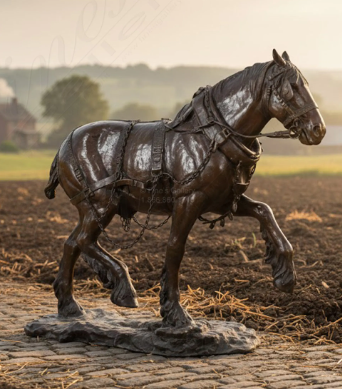
Creating a bronze sculpture, especially one as majestic as a draft horse, involves more than just artistic vision. The choice of materials plays a crucial role in how the sculpture turns out and the durability it possesses. In this blog post, we will explore essential material considerations for crafting a stunning draft horse bronze sculpture.
1. Understanding Bronze Alloys
The composition of bronze can vary, primarily determined by its alloying elements. Traditional bronze is a blend of copper and tin, but modern artists often use different combinations to achieve certain properties. For instance, adding aluminum can enhance corrosion resistance, making the sculpture suitable for outdoor display. Knowing the right alloy can influence both the aesthetic quality and longevity of your sculpture.
Moreover, the combination of metals in the alloy significantly affects its melting temperature and casting properties. A lower melting point can make the material easier to work with, while a higher one might be better for exceptionally detailed pieces. Understanding these attributes helps in selecting the bronze alloy that aligns with your vision for the sculpture.
-
- Research different bronze alloys available.
-
- Consider the sculpture’s intended location (indoor vs. outdoor).
-
- Evaluate the desired durability against aesthetic quality.
-
- Consult with a metallurgist if unsure about alloy compositions.
2. Surface Treatment Options
Surface treatment is essential for bronze sculptures, particularly for those depicting intricate details like a draft horse’s features. Options such as patinas can bring out specific colors or textures that enhance the sculpture’s charm. Techniques like chemical patination will not only add visual interest but also can provide an additional barrier against environmental damage.
In addition to patinas, other surface treatments like wax coatings can protect the sculpture while also offering a glossy finish. Depending on whether the sculpture is displayed outdoors or indoors, the choice of surface treatment will greatly affect the overall look and maintenance required for the piece.
-
- Explore various patina techniques available.
-
- Determine whether a glossy or matte finish is desired.
-
- Assess ongoing maintenance for outdoor vs. indoor sculptures.
-
- Test surface treatments on small samples before applying them to the final piece.
3. Casting Techniques and Their Impact
There are various casting methods available for bronze sculptures, each impacting the final product differently. The traditional lost-wax casting technique is favored for its ability to produce highly detailed artworks. This method involves creating a wax model that is coated in a ceramic shell, melted away to create a mold, and then filled with molten bronze. The procedure is intricate but leads to stunning final results.
Alternatively, sand casting is often used for larger sculptures. While generally more cost-effective, it might not capture fine details as well as lost-wax casting. Understanding which technique aligns with your artistic goals can significantly impact the quality of the draft horse sculpture being created.
-
- Choose between lost-wax and sand casting based on detail requirements.
-
- Consider budget constraints when selecting a casting method.
-
- Research local foundries to understand their capabilities.
-
- Engage in discussions with artists familiar with various casting techniques.
4. Collaborating with Experts
Creating a bronze sculpture can be a complex process, and collaboration with experts can help achieve the best results. From choosing the right material to selecting appropriate casting techniques, the insights of foundry specialists and artists can be invaluable. Their experience can help avoid common pitfalls and ensure that the project stays on track and within budget.
Another key benefit of collaboration is networking opportunities. Artists often gain knowledge about suppliers, tools, and techniques by interacting with industry professionals. Connecting with these experts not only enriches your work but can also lead to potential partnerships for future projects.
-
- Seek recommendations for trusted foundries and experts.
-
- Attend workshops or seminars related to bronze sculpture.
-
- Join artist associations to build a network.
-
- Engage in social media groups dedicated to sculpture.
5. Environmental Considerations
As concern for the environment grows, it’s essential to consider the ecological impact of materials used in sculpture making. Sourcing ethically produced bronze and materials can enhance the integrity of your artwork. Investigating local suppliers may also reduce the carbon footprint associated with transporting materials over long distances.
Furthermore, opting for eco-friendly surface treatments or finishes can appeal to a growing audience that values sustainability. Understanding the materials that offer both beauty and environmental responsibility will enhance the narrative of your draft horse sculpture.
-
- Research environmentally responsible suppliers and materials.
-
- Consider sustainable practices in your casting and finishing processes.
-
- Engage with artists focusing on eco-friendly art initiatives.
-
- Stay informed about new, sustainable materials entering the market.
In conclusion, creating a bronze draft horse sculpture is a rewarding process that demands careful attention to material considerations. From selecting the right alloy to understanding casting techniques, each decision will affect the final piece. Take the next step by consulting with professionals in the field to ensure your vision is executed with precision and care.