Draft horses are majestic animals, known not only for their strength but also for their unique textures and intricate details that can inspire artists. Capturing the essence of these magnificent creatures requires an eye for their distinctive features, which range from their sturdy builds to their flowing manes. This blog post aims to provide artists with insights into the close-up textures of draft horses to improve their artworks.
1. Understanding the Physical Structure
When observing draft horses, it’s important to note their robust physical structure. These horses have powerful muscles that are often emphasized by the way their skin lays over them. Pay particular attention to the outlines of their shoulders, thighs, and necks, which can often be highlighted in artwork to showcase their strength. Artists can benefit from studying the anatomy of these animals, allowing for more accurate representations that genuinely capture their essence.
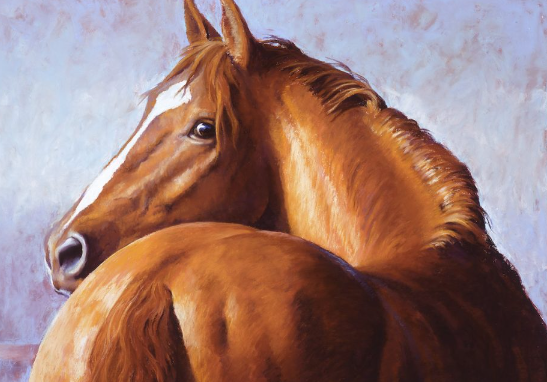
Additionally, the skin of a draft horse has a unique texture that differs from other breeds. A close-up examination reveals the softness of the horse’s coat, which can appear glossy or dull depending on the light. This variance offers a range of artistic opportunities, allowing artists to experiment with lighting, shadows, and highlights in their work, driving home the nuanced textures that make each horse unique.
-
- Study reference images of draft horses.
-
- Practice sketching the muscular structure and contours.
-
- Observe the light and shadow play on the coat.
-
- Create a color palette reflecting the various coat shades.
2. The Mane and Tail: Hair Variations
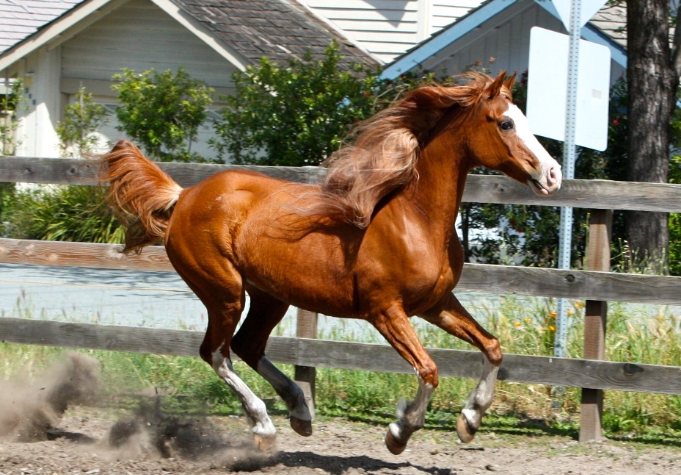
The mane and tail of a draft horse present an interesting aspect of texture that can greatly enhance an artwork. The length and volume of the hair often create a wave-like appearance, which can be interpreted artistically in various techniques. For example, using a mix of brush strokes to depict the flow of the mane can add a sense of movement to a piece. Observing this hair up close will allow artists to notice the finer details, such as individual strands, split ends, and the way light catches the hair’s surface.
Understanding how to represent these features is crucial for any artist. It can also be beneficial to consider the different types of coats—some draft horses have thick, knotted manes, while others may have silky, flowing hair. This can influence how you work with your medium, whether you choose oils, acrylics, or even pencil to create these textures.
-
- Experiment with different brush sizes for hair details.
-
- Study how to layer colors to create depth in the mane.
-
- Try using different techniques to depict volume.
-
- Position your light source to highlight hair textures.
3. Skin Texture and Details: Capturing Imperfections
The skin of draft horses often tells a story with its imperfections, like scars, spots, or unique patterns. These textures hold character and narrative potential, giving insight into the horse’s life and experiences. Close-up studies of their skin can reveal fascinating details that might normally be overlooked, such as fine lines or subtle color variations that can greatly enhance the realism of your artwork.
Investing time in understanding how to capture these minor, yet significant features can elevate an artistic representation from simple realism to poignant storytelling. Different lighting conditions can also emphasize variations in skin tone and texture, allowing artists to convey mood and atmosphere in their work. These details are what make your art distinct and full of life.
-
- Make detailed studies of skin tones in various lighting.
-
- Utilize textures in your medium to match the horse’s skin.
-
- Incorporate lines and markings that add depth to the representation.
-
- Focus on skin blemishes as unique character traits.
In conclusion, exploring the close-up textures of draft horses can offer rich insights and inspiration for artists. By focusing on their physical structure, manes and tails, and skin textures, you can create truly remarkable works that not only capture their beauty but also their spirit. Don’t hesitate to grab your sketchbook and immerse yourself in the world of these magnificent animals today!