Draft horses are known for their strength and beauty, and one of the fascinating aspects of these magnificent creatures is their coat colors and markings. Each breed exhibits unique shades and patterns, which not only serve aesthetic purposes but also have cultural and historical significance. In this post, we will explore some of the specific coat colors and markings associated with different draft horse breeds.
1. Percheron Coat Colors
Percherons are a breed that originated in France and primarily come in gray and black colors, though bay is also prevalent. The gray color can range from a light, almost silvery hue to a deep, charcoal gray. Interestingly, many Percherons are born black but gradually change to gray as they age. Including markings, they often have a pure, clean look, but some may have white markings on their faces or legs.
An important point to note about Percherons is their adaptability to various climates, which is partly influenced by their coat types. Due to their dense hair, they are well-suited to colder climates, although they can also thrive in warmer weather if kept well-groomed. Their coats shed seasonally, making it crucial for owners to understand grooming requirements throughout the year.
-
- Regularly groom to remove loose hair, particularly during shedding season.
-
- Monitor for skin conditions, especially if going from warmer to cooler climates.
-
- Use a proper horse blanket in colder months to help maintain coat health.
-
- Be aware of the unique aging process for gray coats.
2. Clydesdale Coat Variations
Clydesdales are known for their striking appearance, characterized by their large frame and feathering at the hooves. Their coat colors typically include bay, black, and roan, with bay being the most common. They often feature various white markings, including face blazes, socks, and belly spots, which add to their charm and individuality. The feathering is usually white, which adds to their elegant look.
One interesting fact about Clydesdales is that they can sometimes exhibit color changes according to certain environmental factors, such as sunlight exposure and seasonal changes. Those with lighter coats may become more faded during summer months, requiring careful management to maintain their vibrant look. Understanding these variations is essential for keeping a healthy-looking Clydesdale.
-
- Regularly trim the feathering to avoid mud buildup.
-
- Use sunscreen on lighter-colored areas during sunny months.
-
- Ensure a balanced diet to keep their coat shiny and healthy.
-
- Consider clipping during hot weather to improve comfort.
3. Belgian Draft Horse Colors and Markings
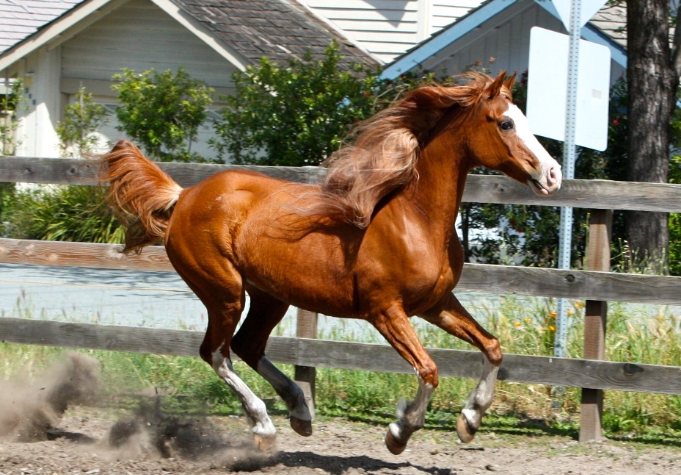
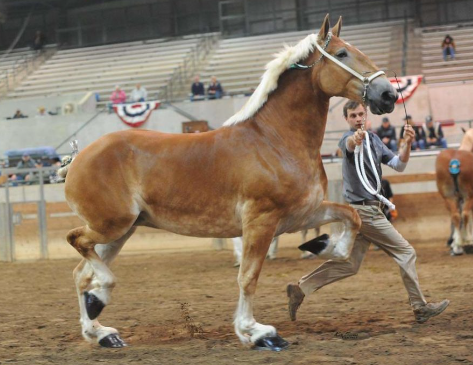
The Belgian draft horse is one of the most popular breeds in North America, known for their strength and gentle temperament. The primary coat color of these horses is chestnut or sorrel, often with a white mane and tail, although they can also appear in shades of bay or gray. A distinguishing feature of the Belgian breed is their robust build and thick, flowing manes which can feature a mix of colors.
Another notable aspect of the Belgian is their markings, which can include extensive facial markings or socks. These markings not only add character but are also significant in terms of breed standard evaluations for competitions. Owners and breeders should pay attention to maintaining these markings to keep their horses looking their best.
-
- Keep the coat clean regularly to prevent discoloration of white markings.
-
- Monitor for skin infections or irritations, especially in creased areas.
-
- Provide supplemental nutrition to support healthy coat growth.
-
- Schedule routine vet check-ups for skin and coat health.
4. Shire Horse Color Characteristics
Shire horses, originating from England, are among the tallest draft breeds and exhibit a range of coat colors, typically black, bay, or gray. Their distinctive features include a muscular build and long legs with impressive feathering. Shires may also display white markings that add an attractive element to their already noteworthy appearance.
An important consideration for Shire owners is understanding how various coat colors can reflect a horse’s health. For example, variations in skin pigmentation can lead to specific requirements for care, especially in sunny conditions. It’s essential to keep an eye on their skin to prevent sunburn and other related issues, particularly in lighter-colored Shires.
-
- Use protective gear in sunlight to prevent skin damage.
-
- Monitor the health of the feathering to prevent fungus buildup.
-
- Incorporate coat conditioning supplements in the diet.
-
- Establish a grooming routine to enhance their natural beauty.
In conclusion, understanding the coat colors and markings specific to draft horse breeds not only enhances their beauty but also plays a crucial role in their care and management. Whether you own a draft horse or simply admire their majesty, being knowledgeable about their unique features is essential. Consider consulting a professional for tailored advice on maintaining their coats for optimal health and appearance.