When it comes to draft horses, two of the most notable breeds are the Belgian and the Clydesdale. Both are known for their strength, size, and gentle dispositions, but they each have unique characteristics that set them apart. In this blog post, we will explore the differences and similarities between Belgian and Clydesdale horses, helping you decide which might be the right fit for your needs.
1. Physical Characteristics
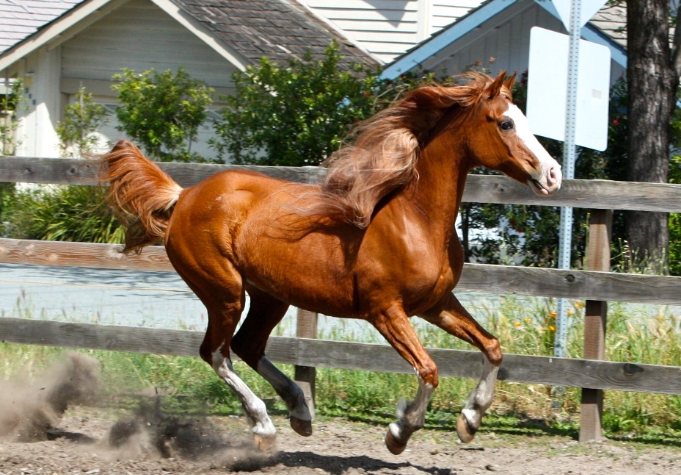
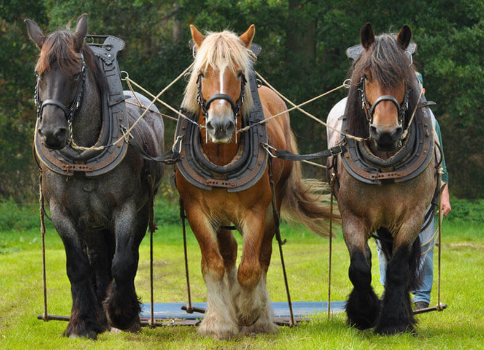
Belgians are known for their impressive strength and stocky build. Typically, they stand about 16 to 17 hands high and can weigh between 1,800 to 2,200 pounds. Their coat colors range from chestnut to bay, and they often have white markings on their face and legs. On the other hand, Clydesdales, which are slightly taller, generally stand around 16 to 18 hands and weigh between 1,600 to 2,400 pounds. They are easily recognized by their striking bay color with white markings, and their distinctive feathering on the lower legs gives them a majestic appearance.
Apart from size and build, the manes and tails of these breeds also differ. Belgians tend to have thicker manes and tails, while Clydesdales sport long, flowing manes and tails that amplify their elegant presence. This contrast makes Clydesdales particularly popular in parades and shows, where their beauty can shine through.
-
- Consider the horse’s height and weight based on your needs.
-
- Evaluate the coat color options that appeal to you.
-
- Check for feathering in Clydesdales if you prefer a more ornamental look.
-
- Inspect overall build for specific work-related tasks you plan to engage in.
2. Temperament and Behavior
Both breeds are generally known for their calm and gentle nature, making them great choices for families and novice equestrians. Belgian horses are particularly known for their friendly demeanor, often forming strong bonds with their handlers. They tend to be cooperative, making them suitable for various work tasks, whether on the farm or in therapeutic riding programs.
Clydesdales also exhibit a friendly temperament, though they can be a bit more spirited than Belgians. This spiritedness doesn’t mean they are difficult; rather, they have a lively enthusiasm that can make them more engaging for seasoned riders. However, first-time horse owners may find Clydesdales require more experienced handling to channel their energy appropriately.
-
- Spend time with both breeds to assess their individual temperaments.
-
- Consider your own riding skill level when choosing between the two.
-
- Look into training programs for novice owners if you choose a Clydesdale.
-
- Engage in regular bonding activities, such as grooming and hand feeding.
3. Work Ethic and Uses
Both Belgian and Clydesdale horses excel in draft work, but they may be better suited for different jobs. Belgians are commonly used for heavy farm work, including plowing and hauling. Their massive strength and willingness to work make them perfect for laborious tasks, and they excel in pulling competitions as well.
Clydesdales, meanwhile, have found fame outside of traditional farm work, often being seen in parades and as show horses due to their stunning appearance. They are also capable of performing the same heavy draft work as Belgians but may be better suited for lighter tasks or activities that allow them to show off their elegant stature. Additionally, their marketing power was solidified by the Budweiser advertising campaigns, making them one of the most recognizable breeds worldwide.
-
- Determine the primary work tasks you need your horse for.
-
- Hire a professional trainer if you want to engage in competitive work.
-
- Consider participating in local parades or shows if you choose a Clydesdale.
-
- Plan for regular exercise and engagement, regardless of the breed you choose.
4. Care and Maintenance
Both Belgian and Clydesdale horses have specific care requirements, and attention to their needs is essential for their well-being. Belgians generally have easier hoof care due to their compact structure. However, Clydesdales require regular grooming to manage their long hair and feathering, especially during shedding season. This extra maintenance is something potential owners should consider to ensure their horse stays healthy and comfortable.
Nutritionally, both breeds will need high-quality hay and grains to maintain their energy levels, especially if they are working regularly. However, monitoring their weight is crucial, as both breeds are prone to obesity if not managed properly. Therefore, it is critical to create a balanced diet that meets their specific needs depending on their age, weight, and activity.
-
- Consult a veterinarian for tailored dietary recommendations.
-
- Establish a grooming routine to keep coats in top condition.
-
- Pay attention to hoof care; consider professional help if unsure.
-
- Monitor weight and adjust diet to avoid obesity-related issues.
In conclusion, both Belgian and Clydesdale horses offer unique attributes that cater to different needs and preferences. By understanding their physical characteristics, temperament, work ethic, and care requirements, you can make a more informed decision. If you’re considering adding a draft horse to your family or farm, reach out to local breeders or equine professionals for guidance to ensure a delightful experience with your new equine companion. Their impressive strength and noble appearance have also inspired many forms of art, including the draft horse sculpture, which celebrates the beauty and power of these remarkable working horses.