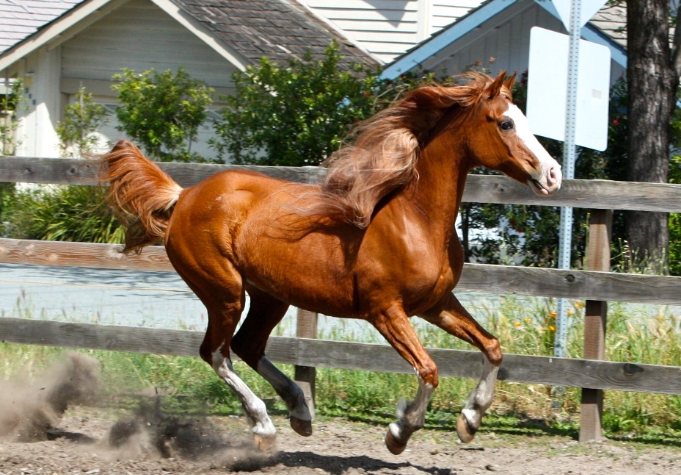
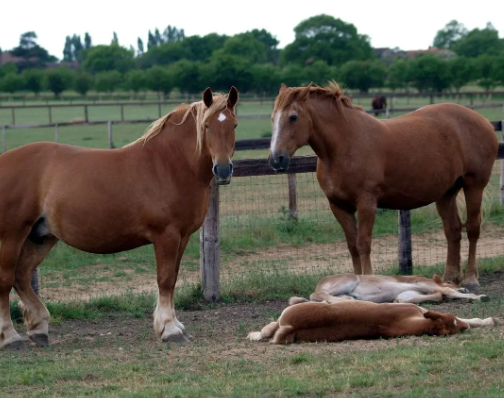
When it comes to draft horses, the Suffolk Punch and Ardennes breeds each have their unique characteristics and advantages. Understanding the differences between these two powerful breeds can help prospective owners choose the right horse for their needs.
1. Overview of the Suffolk Punch
The Suffolk Punch originates from East Anglia in England, renowned for its rich history and distinct appearance. This breed is particularly notable for its solid build and compact stature, typically standing between 16 to 17 hands tall. With a thick neck, muscular body, and short legs, the Suffolk Punch is designed for power, making it a favorite for farm work and heavy draft purposes.
Additionally, the Suffolk Punch is known for its gentle temperament and good-natured disposition. This makes them excellent companions not only for experienced handlers but also for novices. They often exhibit a high level of intelligence and willingness to please, making training an enjoyable process.
-
- Research the breed’s history and purpose.
-
- Consider your riding or work needs when choosing a Suffolk Punch.
-
- Check for reputable breeders to ensure good bloodlines.
-
- Keep in mind that they require regular care and maintenance.
2. Overview of the Ardennes
The Ardennes horse hails from the Ardennes region in Belgium, Luxembourg, and France. This breed is one of the oldest draft horse breeds and is celebrated for its endurance and strength. Ardennes horses typically stand around 15.2 to 16.2 hands high and have a stocky build, making them ideal for pulling heavy loads and performing hard labor.
Known for their courageous and hardworking nature, Ardennes are also highly trainable. They have a slightly more rugged appearance compared to the Suffolk Punch, with a thicker neck and broader hooves, which aid in stability. Their mature demeanor and calm disposition make them well-suited for various tasks, including farm work, forestry, and even leisure riding.
-
- Evaluate your specific needs—is endurance or temperament more critical?
-
- Inspect Ardennes horses for health and conformation before purchase.
-
- Look for experienced trainers familiar with the breed.
-
- Consider the horse’s overall environment and management needs.
3. Comparison of Physical Characteristics
When comparing the physical traits of the Suffolk Punch and Ardennes, the differences are quite pronounced. The Suffolk Punch boasts a more compact frame, with a well-defined neck and a more rounded hindquarters. This breed generally possesses a shiny chestnut coat, along with minimal white markings. Their strong legs enable them to perform agricultural tasks effectively, while the compact physique aids in maneuverability within tight spaces.
Conversely, the Ardennes showcases a taller and bulkier structure, typically featuring a thick, short neck and a flat back. The coat color varies more in the Ardennes, comprising shades of bay, chestnut, and gray. Their larger stature and broad hooves provide excellent stability on uneven terrain, making them exceptionally well-suited for rugged environments and heavy draft purposes.
-
- Take note of the height differences when considering a draft horse for your needs.
-
- Look at coat color variations to match your preference.
-
- Assess the horse’s build for suitability in specific tasks.
-
- Consult with experts for specific traits that suit your lifestyle.
4. Temperament and Trainability
Both the Suffolk Punch and Ardennes horses possess enviable temperaments, but there are nuanced differences. The Suffolk Punch is often described as docile and easy-going, making them suitable for newer horse owners or those looking for a friendly companion. They tend to bond easily with humans and display a willingness to cooperate during training sessions, which helps in establishing a solid partnership.
On the other hand, the Ardennes horse, while also cooperative, may show more independence and a strong will. This breed’s natural intelligence allows for quick learning, but it can sometimes require a more experienced handler to establish boundaries effectively. It’s essential for prospective owners to understand these differences in temperament to ensure a successful match.
-
- Prioritize proper training methods suitable for each breed.
-
- Evaluate your experience with horses when selecting a breed.
-
- Spend ample time bonding with your horse for better cooperation.
-
- Consult trainers who specialize in draft breeds for personalized advice.
5. Work and Recreational Use
Both the Suffolk Punch and the Ardennes excel in draft work, but their suitability may vary depending on the task. The Suffolk Punch thrives in traditional farming roles, cart pulling, and even as a show horse due to its graceful movements and robust build. This breed’s muscularity allows it to handle heavy loads effectively, which is particularly beneficial in agricultural settings.
In contrast, the Ardennes breed demonstrates exceptional versatility in work. They can perform well in logging, heavy draft, and even as recreational riding horses due to their natural endurance and calm demeanor. With proper training, the Ardennes can adapt to a variety of tasks, making them a diverse asset to any owner.
-
- Decide whether you need a horse for heavy duty or leisure activities.
-
- Test the horse in scenarios similar to their intended tasks.
-
- Consider both breeds for competitive events, if interested.
-
- Assess your interest in agricultural work versus recreational riding.
In conclusion, both the Suffolk Punch and the Ardennes have their unique set of traits that cater to specific needs and preferences. Understanding these differences not only helps in making an informed decision but also ensures a fulfilling relationship with your horse. If you’re considering adding a draft horse to your life, take the time to research and consult professionals to find the perfect fit for your lifestyle and needs.