Draft horses have been an integral part of agricultural history and rural life, known for their strength, calm demeanor, and gentle nature. However, many breeds classified as draft horses are becoming endangered, highlighting the urgent need for conservation efforts to protect these majestic animals.
1. Understanding Endangered Draft Horse Breeds
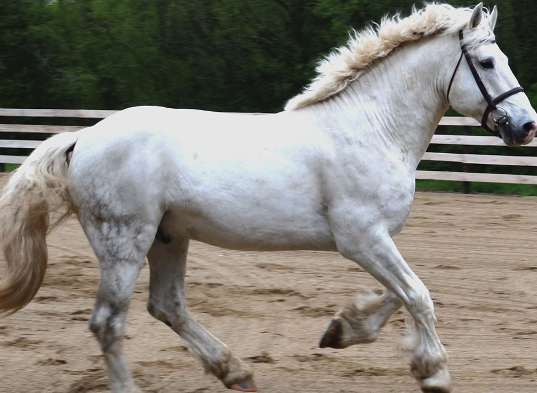
Endangered draft horse breeds include the Suffolk Punch, Clydesdale, and Percheron, among others. Their population decline is primarily due to the introduction of mechanized farming techniques, which have significantly reduced the need for draft animals. In many cases, these breeds are also affected by a lack of breeding programs geared toward maintaining genetic diversity.
Each breed has unique characteristics that contribute to its historical significance. For instance, the Clydesdale is recognized for its distinct feathering on its legs and strong physique, useful for heavy work in agriculture and transportation. Meanwhile, the Suffolk Punch is notable for its remarkable pulling power combined with a docile temperament, making it a favorite for farm work and parades. Understanding the specifics of these breeds is crucial for effective conservation strategies.
-
- Research the characteristics and history of endangered draft horse breeds.
-
- Learn about the significance of preserving genetic diversity.
-
- Stay informed on the latest conservation efforts and news.
-
- Engage with local agricultural or equestrian communities to share knowledge.
2. Conservation Efforts and Initiatives
Various organizations and initiatives are currently in place to safeguard endangered draft horse breeds. The Draft Horse and Mule Association, for instance, plays a pivotal role in education and advocacy, raising awareness about the plight of these breeds. They promote supportive breeding programs that focus on maintaining healthy populations and encourage responsible ownership.
Conservation efforts often involve strategies such as setting up registries to track and preserve bloodlines and organizing events showcasing these magnificent animals. Furthermore, programs that facilitate public outreach help inform more people about the value of draft horses, thus encouraging their adoption and integration into various roles, from farming to recreation.
-
- Identify organizations focused on draft horse conservation.
-
- Participate in or attend events that promote awareness about these breeds.
-
- Support local farms or programs that raise endangered draft horses.
-
- Educate others about the historical and cultural importance of draft horses.
3. How to Get Involved
Getting involved in draft horse conservation doesn’t require extensive equine knowledge or experience. Even small actions can contribute significantly to preservation efforts. Start by volunteering with local farms or organizations dedicated to helping these breeds thrive. This hands-on experience can be immensely rewarding and educational.
Additionally, financial support, whether through donations or sponsoring an individual horse, can provide essential resources for breeding and conservation programs. Many organizations also welcome educational workshops or seminars where you can learn about the proper care, training, and management of draft horses. Such engagements not only raise awareness but also train a new generation of enthusiasts dedicated to preserving these magnificent animals.
-
- Volunteer at local farms that care for draft horses.
-
- Donate to conservation programs or breed registries.
-
- Attend workshops to expand your knowledge about draft horse care.
-
- Spread awareness through social media or local community events.
In conclusion, the conservation of draft horses is not only important for preserving these remarkable breeds but also for maintaining a connection to our agricultural history. Whether through volunteering, donating, or simply educating yourself and others, you can play a part in protecting these amazing animals for future generations. Your involvement can make a significant difference, ensuring these majestic creatures remain part of our heritage.