Draft horses played a crucial role in shaping industrial-era transportation, bridging the gap between manual labor and mechanization. Their strength and reliability made them indispensable assets in a rapidly growing economy, allowing industries to flourish and expand.
1. The Rise of Draft Horses in Agriculture
During the industrial era, as cities grew and the demand for agricultural products increased, draft horses became vital for farming. Their impressive pulling capacity allowed farmers to use heavier machinery, which in turn boosted productivity. Horses could haul plows, seeders, and reapers, making it possible to cultivate larger areas in less time than traditional manual methods would allow.
Additionally, horses needed minimal care and had the ability to adapt to different types of terrain, which made them indispensable on farms across various regions. This adaptability allowed for diverse crop production and increased food supply, which was paramount for a growing population. Their role in agriculture would set the stage for their further contributions to transportation and logistics in urban centers.
-
- Choose the right breed of draft horse for your agricultural needs.
-
- Invest in proper training for both the horse and the handler.
-
- Ensure that equipment is well-maintained to handle the added weight draft horses carry.
-
- Rotate horses to prevent fatigue and maintain their health.
2. Horses in Urban Cargo Transport
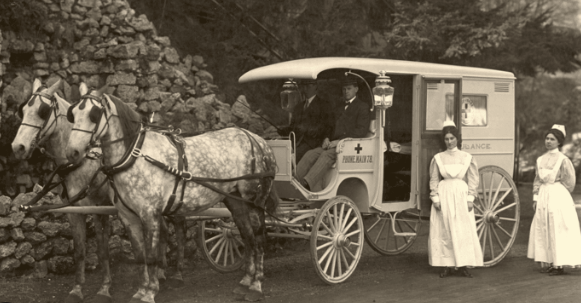
As industrialization accelerated, cities became hubs for commerce and transport, leading to a surge in demand for reliable cargo transport. Draft horses filled this need perfectly by being able to pull heavy loads long distances through cobbled streets and across bridges. They played a critical role in moving goods from manufacturers to marketplaces, ensuring that the supply chains ran smoothly.
Given that motor vehicles were still in their infancy, draft horses provided a cost-effective and efficient solution for urban transport. Their ability to pull large wagons loaded with goods increased the effectiveness of businesses. Accordingly, companies relied upon these majestic animals to move everything from coal to textiles, making them key players in the urban economy.
-
- Develop a schedule for transportation to optimize efficiency.
-
- Monitor the individual health and performance of each horse.
-
- Implement a training program for drivers to ensure safety.
-
- Maintain streets and paths used for transporting goods to minimize risks.
3. Enhanced Transportation Infrastructure through Draft Horse Power
With the increasing reliance on draft horses, transportation infrastructure began to evolve. Roads were improved, and new bridges were constructed to accommodate the larger loads carried by horse-drawn vehicles. This development not only benefited draft horse teams but also laid foundational road networks crucial for future motorized transport.
Manufacturers of roads and vehicles recognized the economic advantage of improving structures that could withstand heavy wagon loads. Consequently, training programs for horse handlers emerged, leading to higher standards of care and management. These aspects combined to enhance the productivity of urban transport systems, forming a lasting legacy that laid groundwork for future transportation advancements.
-
- Advocate for community improvements in infrastructure to keep up with needs.
-
- Educate community members about the importance of maintaining roads for safety.
-
- Encourage local businesses to invest in innovative designs for horse-drawn vehicles.
-
- Engage in historical preservation of equine-related structures, such as barns and stables.
4. Role in Limiting the Pollution of Early Industrial Cities
Interestingly, draft horses provided a relatively eco-friendly alternative to coal and steam engines that dominated the industrial transport scene. While they did produce manure, they did not emit toxic gases, which made them a more sustainable option during a time when pollution was becoming a pressing issue. Their use helped mitigate some of the challenges posed by early industrial waste.
This less harmful transportation method encouraged some cities to implement more organized waste management practices, proving that with the right regulations, the environmental downsides of livestock could be managed. Cities began to understand the significance of balancing industrial growth with ecological considerations, a theme that resonates in today’s world.
-
- Implement proper waste management practices for horse-drawn transport.
-
- Research sustainable farming methods that can incorporate horses.
-
- Promote eco-friendly initiatives in the community.
-
- Encourage local policies advocating for animal-powered transport options.
Draft horses were more than mere transportation tools; they were pivotal to the fabric of industrial-era society. By understanding their contributions, we can appreciate the evolution of transportation methods and their lasting impact. For anyone interested in historical agriculture or transportation, further exploration and engagement with these topics can open up fascinating avenues to pursue. Explore local museums, books, or even visit working farms that feature these incredible animals in action.