Working with draft horses can be incredibly rewarding, but it comes with significant safety considerations that every handler must understand. Harness work is a specialized area that demands attention to detail and adherence to safety protocols to ensure the well-being of both the horse and the handler. In this blog post, we will explore essential safety considerations for harness work with draft horses.
1. Understanding Your Equipment
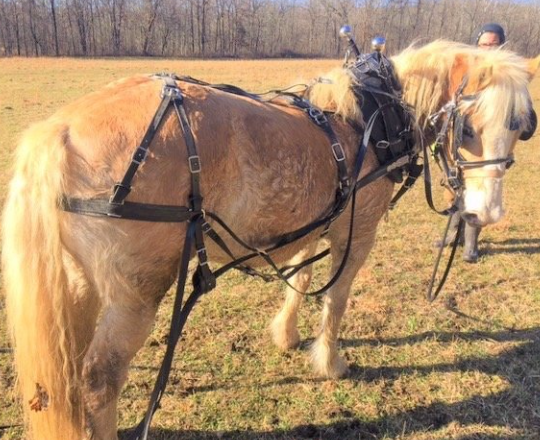
The equipment you use is vital to safe harness work. A well-fitted harness is not only more comfortable for the horse, but it’s also crucial for preventing accidents. Before using any harness, examine it for signs of wear and tear, such as frayed straps or cracked buckles, as these can lead to failure during work. Always ensure you have the right size and type of harness for your specific draft horse breed.
Additionally, familiarize yourself with all components of the harness, including the saddle, harness straps, and traces. Proper assembly is essential to the unit’s function. A common mistake is neglecting to make sure the straps are not twisted or knotted, which can cause discomfort for the horse and may increase the risk of injuries.
-
- Inspect your harness regularly for wear and damage.
-
- Ensure the harness fits correctly to avoid discomfort.
-
- Familiarize yourself with the different components of the harness.
-
- Assemble the harness with care, avoiding twists and knots.
2. Safety Around the Horse
Safety around draft horses begins with understanding their behavior. Draft horses are large and powerful animals, which means that a lack of awareness can lead to accidents. Always approach a horse calmly and from the side, where they have a clear view of you. Sudden movements can startle them and provoke a negative reaction, so it’s important to maintain a quiet presence.
Furthermore, it’s crucial to understand the horse’s body language. Signs of agitation include pinned ears, raised tails, and sudden movements. If you notice these signals, take a step back and ensure the horse feels comfortable before proceeding. Establishing trust and maintaining a calm demeanor is essential to creating a safe working environment for both you and the horse.
-
- Always approach horses calmly and from the side.
-
- Learn to read the horse’s body language for signs of agitation.
-
- Develop a routine that the horse can recognize.
-
- Never turn your back on the horse when working around it.
3. Training and Experience
Proper training and experience significantly enhance safety during harness work. It’s advisable to seek mentorship if you are new to working with draft horses. Experienced trainers can offer insights that are not only informative but also practical, helping you navigate various scenarios that may arise. Taking the time to learn and gain hands-on experience will make you more confident and knowledgeable.
In addition to basic training, consider attending workshops, seminars, or courses focused on draft horse care and harness work. These educational opportunities often include valuable information about safe practices, innovative techniques, and advancements in equipment. Knowledge is power, and the more informed you are, the safer you will be while working with draft horses.
-
- Seek mentoring opportunities with experienced handlers.
-
- Participate in training sessions focused on harness work.
-
- Stay informed about new techniques or equipment.
-
- Practice regularly to build your confidence and skill level.
4. Ensuring Environmental Safety
One often-overlooked aspect of harness work is the working environment. Make sure the area where you are conducting work is free from distractions and hazards that could spook the horse or create an unsafe scenario. Ideally, choose a flat, clear location to work, avoiding crowded areas or locations with noise or movement that could disturb the horse.
In addition to reducing distractions, ensure that all tools and equipment are stored safely when not in use. This minimizes the risk of accidents caused by stray equipment or tools. Maintaining a clean work area not only contributes to safety but also promotes productivity, making it easier for you and the horse to focus.
-
- Choose a safe, distraction-free area for harness work.
-
- Keep the work environment clear of hazards.
-
- Store all tools and equipment safely when not in use.
-
- Maintain a clean work area to reduce risks and distractions.
5. Emergency Preparedness
No matter how careful you are, accidents can happen. Being prepared for emergencies is a critical component of safety while working with draft horses. Always have a first-aid kit readily accessible, containing essentials for both the horse and handler, such as antiseptics, bandages, or pain relief. Familiarize yourself with basic first-aid procedures so you can act quickly in case of an injury.
Additionally, create an emergency plan specific to your situation. This may include having access to veterinary services or knowing the steps to take if the horse becomes panicked. Inform everyone involved in the care and work with the horses about this plan, so everyone knows how to act swiftly and safely in emergencies.
-
- Maintain a well-stocked first-aid kit for both horse and handler.
-
- Learn basic first-aid procedures before emergencies arise.
-
- Create a specific emergency plan and share it with your team.
-
- Regularly review and practice emergency procedures.
In conclusion, harness work with draft horses can be a fulfilling endeavor that combines strength, skill, and patience. By prioritizing safety through equipment knowledge, environmental considerations, and emergency preparedness, you can create a safer experience for both you and your horse. Always remain proactive in your training and safety measures, and don’t hesitate to reach out to professionals when needed. Start implementing these tips today for a safer harness work routine!