The role of draft horses in medieval Europe was central to agriculture, transport, trade, and warfare. These powerful animals were far more than beasts of burden; they supported food production, military logistics, and economic growth across rural and urban society.
1. Draft Horses in Agriculture
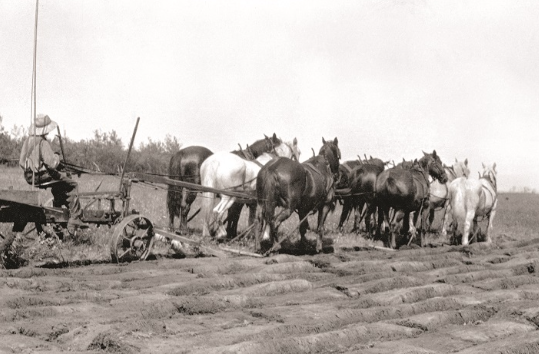
Draft horses were essential to medieval farming. Their strength made them valuable for plowing fields, hauling crops, and transporting goods to markets. Compared with lighter animals, they could manage heavier loads and demanding fieldwork, helping increase agricultural productivity.
They also supported related industries such as milling and brewing, where heavy transport and mechanical power were necessary. By improving efficiency in food production and distribution, draft horses helped sustain growing towns and communities.
- Select suitable horses for plowing and hauling
- Train horses carefully for fieldwork
- Use strong, well-fitted harness equipment
- Rotate labor to protect horse health
- Match tasks to terrain and load capacity
2. Draft Horses in Warfare
In medieval warfare, draft horses were especially important for logistics. While lighter horses were more common for riding and combat, draft horses hauled wagons, supplies, weapons, and siege equipment.
During sieges, they helped move heavy machinery such as trebuchets, battering rams, and carts loaded with materials. Their strength allowed armies to transport essential resources over long distances, making them a crucial part of military planning.
- Train horses for controlled movement under pressure
- Use durable harnessing for heavy loads
- Maintain feeding and rest schedules during campaigns
- Keep horses fit for long-distance transport
- Consider terrain before moving equipment
3. Economic Impact of Draft Horses
Draft horses had major economic value in medieval Europe. Their labor increased agricultural output, enabled trade routes, and supported marketplaces. A strong horse could represent a major investment for a farmer, merchant, or noble household.
As towns expanded, the need for reliable transport grew. Draft horses helped move grain, timber, textiles, tools, and other goods between villages, towns, and fairs, strengthening regional economies.
- Understand local trade and farming needs
- Cooperate with farmers and merchants
- Keep records of transport and labor use
- Plan efficient routes for hauling goods
- Participate in fairs and market networks
Draft horses shaped medieval European society through their contribution to food production, commerce, and military logistics. Their strength and endurance made them indispensable to everyday life and large-scale historical change.
Today, their legacy is often remembered in farms, museums, and public art, where a horse sculpture can symbolize the power, service, and resilience of these remarkable animals throughout history.