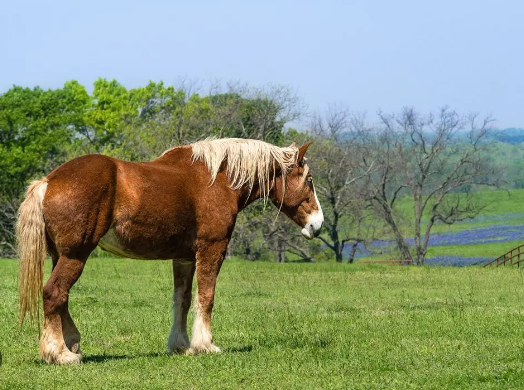
When considering adding a draft horse to your life, understanding their lifespan and long-term care needs is crucial. Draft horses, known for their strength and gentle temperament, typically live between 25 to 30 years, but this can fluctuate based on care and health. In this blog post, we’ll explore key aspects of maintaining your draft horse’s health over the years.
1. Understanding Lifespan Factors
The lifespan of a draft horse can vary greatly depending on several factors such as genetics, nutrition, and overall care. Genetics play a significant role; some breeds, like Clydesdales or Percherons, may exhibit different health traits that influence their longevity. Regular veterinary check-ups can identify hereditary issues early, enhancing the chance of a longer, healthier life.
Nutrition also plays a critical role in the lifespan of a draft horse. A well-balanced diet rich in fiber, vitamins, and minerals supports their growth and energy needs throughout life. Draft horses can be prone to obesity, which can lead to a variety of health concerns like laminitis. Proper nutritional management is essential to ensure that they maintain a healthy weight as they age.
-
- Conduct regular health screenings with a vet to detect genetic disorders.
-
- Provide a balanced diet tailored to their age and activity level.
-
- Monitor body weight and adjust feed accordingly.
-
- Include supplements as recommended by your veterinarian.
2. Essential Long-Term Care Practices
Maintaining the health of a draft horse over the years involves routine care practices such as dental maintenance, hoof care, and proper exercise. Regular dental check-ups are vital because dental issues can affect a horse’s ability to eat and may lead to nutritional deficiencies. Be proactive in scheduling these appointments with an equine dentist to avoid complications.
Hoof care is another essential aspect of keeping a draft horse healthy. Their heavy bodies put extra stress on their hooves, making regular trimming and shoeing necessary. Neglect can result in lameness and chronic pain. Ensure you enlist the help of a farrier skilled in handling draft breeds to keep their hooves in optimal condition.
-
- Schedule dental check-ups at least once a year.
-
- Keep a hoof care routine and consult a professional farrier regularly.
-
- Incorporate a balanced exercise routine to prevent weight gain.
-
- Watch for signs of discomfort, including limpness or changes in stance.
3. Importance of Mental and Social Well-Being
Beyond physical care, mental and social well-being is essential for the long-term happiness of a draft horse. These animals are social creatures that thrive in a herd environment. Ensuring they have companionship can lead to fewer behavioral issues and overall contentment. Isolation can lead to stress and anxiety, which are detrimental to their health.
Engaging in regular activities or training sessions can provide both physical exercise and mental stimulation. Draft horses enjoy tasks that challenge them, whether it’s pulling a cart in training or participating in equestrian events. Keeping them engaged will not only enhance their skills but also strengthen the bond between horse and handler.
-
- Ensure your draft horse has companionship, either from other horses or animals.
-
- Provide daily mental stimulation through training or interactive toys.
-
- Engage in regular activities to strengthen the bond.
-
- Pay attention to their behavior; any signs of distress may indicate a need for socialization.
In conclusion, a draft horse can be a loyal and beloved companion for many years, but this requires understanding their unique care needs. From nutrition to social interaction, each element contributes to their overall quality of life. By planning ahead and maintaining a dedicated care routine, you can ensure longevity and happiness for your equine friend. Don’t hesitate to consult with professionals about any health concerns or care routines that may benefit your draft horse as they age.