Draft horses are magnificent creatures known for their strength and gentle disposition. However, providing the right pasture and space is crucial for their well-being and happiness. In this post, we will explore the necessary space requirements, grazing needs, and tips to create an optimal environment for these gentle giants.
1. Space Requirements for Draft Horses
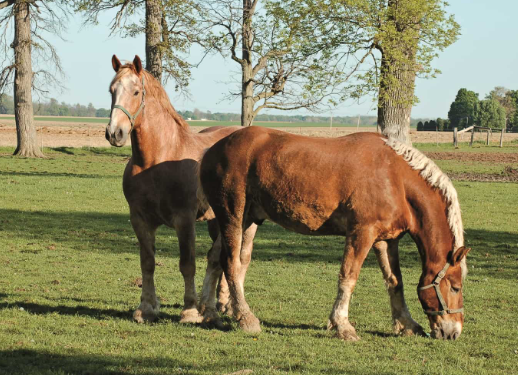
Draft horses are large animals that require ample space to roam and graze. A general rule of thumb is to provide at least 1.5 to 2 acres per horse. This allows them to move freely, which is important for both their physical and mental health. Larger breeds may require more space, and overcrowding can lead to stress and behavioral issues, so planning carefully is essential.
In addition to pasture space, consider the layout of your property. Draft horses thrive in environments that offer various terrains and shelter from harsh weather. Fencing should be sturdy and high enough to contain these strong animals, and access to water should be plentiful. Providing a safe and engaging environment encourages them to exercise and interact naturally.
-
- Ensure at least 1.5 to 2 acres per draft horse.
-
- Use sturdy fencing to keep them secure.
-
- Provide access to fresh water at all times.
-
- Include natural shelter to protect them from weather extremes.
-
- Avoid overcrowding; ensure they have room to graze individually.
2. Pasture Grazing Needs
Draft horses have specific grazing needs that must be met to maintain their health. They graze for many hours each day, so a pasture rich in nutritious grasses is vital. Good-quality hay or pasture should make up the bulk of their diet, and it’s important to rotate pastures to prevent overgrazing and allow grass to regenerate. Different seasons may require adjustments in pasture management to ensure optimal grazing.
Moreover, introducing diverse plants in the pasture can enhance their diet. Consider planting various grasses and legumes to ensure they have a balanced intake of nutrients. Monitoring pasture health is crucial; look for signs of overgrazing and take measures such as reseeding or resting the pasture to enhance regrowth.
-
- Rotate grazing areas regularly to avoid overgrazing.
-
- Ensure pasture has a mix of grasses and legumes for balanced nutrition.
-
- Monitor the health of the pasture and reseed if necessary.
-
- Provide mineral supplements if the pasture lacks essential nutrients.
-
- Utilize slow feeders to simulate natural grazing behavior.
3. Environmental Enrichment and Pasture Management
Draft horses thrive not only on space but also on environmental enrichment. Providing obstacles, places to explore, and various surfaces to walk on can enhance their mental stimulation. Paddocks and pastures can be designed to keep them engaged, which is particularly important for their emotional health. Additionally, ensuring they have enough companions can help reduce stress and loneliness.
Proper pasture management practices can significantly improve the environment. Regularly check for weeds and poisonous plants that could harm your horses. Implementing mud management strategies during wet seasons can keep their living area dry. Maintaining fence lines and water sources will ensure a safe and pleasant pasture environment.
-
- Incorporate obstacles like logs and tires for mental stimulation.
-
- Regularly check for harmful weeds and remove them promptly.
-
- Invest in mud management solutions to keep pastures dry.
-
- Provide companions to prevent loneliness and stress.
-
- Maintain proper fencing and water sources.
In conclusion, taking the time to understand and meet the pasture and space requirements of draft horses is crucial for their overall well-being. By following the guidelines outlined above, you can create a healthy and enriching environment for your gentle giant. Remember to consult with a veterinarian or equine nutritionist for further insights tailored to your individual horse’s needs.