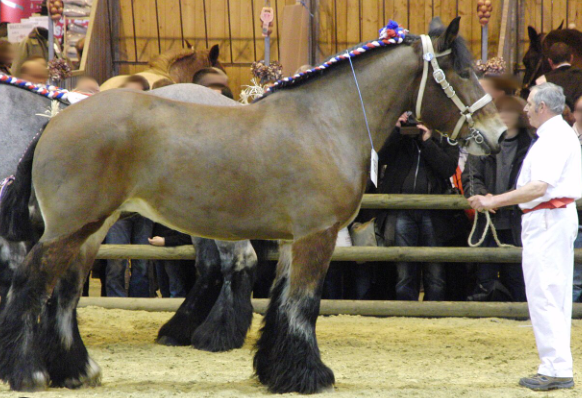
The decline of the draft horse population is a pressing issue that has significant implications for agriculture, culture, and biodiversity. Once invaluable to farming and transportation, these majestic animals have faced numerous challenges leading to their dwindling numbers. However, numerous revival efforts are underway to restore their prominence and ensure their survival.
1. Understanding the Decline of Draft Horses
The decline in the draft horse population can be attributed to various factors, primarily the mechanization of agriculture. In the early 20th century, tractors and heavy machinery began to replace horses on farms, diminishing their roles and leading to a decrease in breeding. As urbanization increased, many people moved away from rural areas where draft horses were traditionally used, compounding the problem.
Furthermore, the rise of synthetic materials over natural fiber, which decreased the demand for horse hair and other byproducts, has also contributed to the decline. Breeders faced commercial pressures to shift focus to more profitable horse breeds, further sidelining the draft horse. As a result, some breeds, like the Percheron and Clydesdale, are becoming rare, stressing the importance of conservation efforts.
-
- Research local histories to understand the impact of mechanization on draft horse populations.
-
- Support local farms that utilize draft horses in sustainable agriculture.
-
- Get involved with breed registries to raise awareness about endangered breeds.
-
- Attend educational workshops or fairs that showcase draft horse breeds.
2. Revival Efforts to Bring Back Draft Horses
Various organizations and enthusiasts are actively involved in revival efforts for draft horses. One notable example is the American Draft Horse Association, which focuses on promoting and preserving the distinct breeds of draft horses. By organizing events, contests, and educational programs, they not only keep the interest alive but also enhance community involvement.
Additionally, initiatives like “Horse Power” programs are being introduced in schools to educate children about the importance of draft horses in history and agriculture. These programs aim to rekindle interest among younger generations, instilling the value of these animals and showcasing their utility in modern settings such as therapeutic riding programs and small farm operations.
-
- Participate in local breed association events to keep track of revival efforts.
-
- Volunteer with organizations that promote the use of draft horses in agriculture.
-
- Spread awareness through social media about the importance of draft horse conservation.
-
- Consider supporting or adopting rescue draft horses through rescue organizations.
3. The Role of Community in Conservation
Community involvement plays a critical role in the revival of draft horse populations. Local farms and agritourism can adopt draft horses for various purposes, ranging from farm work to providing educational experiences for visitors. This acts as a dual-purpose function: it showcases the breed’s utility while also generating interest and funding for preservation efforts.
Moreover, workshops that teach skills related to draft horse care and training are invaluable. These sessions often bring communities together and foster a deeper connection between people and horses. Engaging with local agricultural fairs gives an excellent platform for showcasing draft horses, thus encouraging potential new owners to consider these breeds.
-
- Create community events focused on draft horse education and demonstrations.
-
- Promote agritourism opportunities that highlight the use of draft horses.
-
- Organize workshops to teach horse care and training skills.
-
- Encourage local schools to incorporate educational programs about draft horses.
4. The Future of Draft Horses in Modern Times
The future for draft horses is not entirely bleak. With a growing trend towards sustainable farming and a desire for organic produce, many farms are beginning to rediscover the benefits of using draft horses. These horses can help reduce soil compaction and contribute to a more environmentally friendly farming approach, making them valuable assets in modern agriculture.
Moreover, as people become more interested in artisanal practices and traditional methods, draft horses have found a niche market. Their use in various forms of craftsmanship, such as logging and heavy pulling for specialty farming, is seeing a resurgence. Increased public curiosity and understanding can inspire a whole new generation to consider involvement in draft horse ownership.
-
- Investigate local farms that are integrating draft horses into their practices.
-
- Advocate for sustainable farming methods that include animal power.
-
- Participate in events that celebrate agricultural heritage, including draft horse breeds.
-
- Explore educational resources that delve into the benefits of draft horse farming.
In conclusion, while the decline of draft horse populations presents challenges, various revival efforts and community engagements demonstrate that a brighter future is possible. By getting involved, whether through education, advocacy, or direct support, everyone can contribute to preserving these remarkable animals for generations to come. Now is the time to take action—explore local initiatives or reach out to organizations focused on draft horse preservation.