The design of a public square monument dedicated to draft horses serves as a tribute to their historical significance and cultural contributions. As these magnificent animals were integral to agriculture and industry, developing compelling monument concepts is an exciting opportunity to celebrate their legacy.
1. Symbolic Representation of Draft Horses
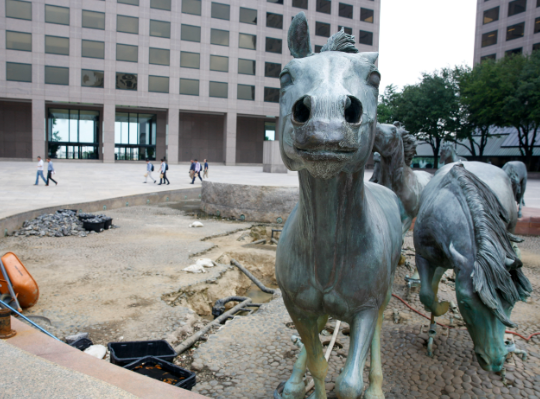
Designing a monument that effectively symbolizes draft horses requires an understanding of their historical role. These animals were not just working beasts; they were companions and symbols of strength and resilience. Including imagery such as a life-sized statue of a draft horse in motion can evoke a sense of nostalgia and admiration. For instance, a design that incorporates not just the horse but also a farmer or a plow illustrates the partnership between humans and draft horses in agricultural settings.
Another approach involves abstract elements that capture the spirit of draft horses. This could take the form of horseshoe motifs integrated into the base of the statue or using natural materials like stone or wood to reflect their connection to the earth. Such designs not only beautify the public square but also tell a story about the animals’ contributions to society through the ages.
-
- Research historical images and stories about draft horses.
-
- Consider the emotional impact of various design styles, both realistic and abstract.
-
- Consult local artisans who specialize in horse-related art.
-
- Ensure the design is easily interpreted by the public for maximum engagement.
2. Interactive Features for Community Engagement
Public monuments can foster community interactions, making them much more than mere displays. Adding interactive elements such as informative plaques or QR codes that link to educational content can enrich the experience. Visitors could learn about the history of draft horses and their impact on local agriculture, as well as current uses of these magnificent animals in leisure and sport.
Another engaging idea is incorporating functional elements like benches designed to look like draft horse saddles. These benches would not only provide seating but also serve as conversation starters. Creating a space for educational workshops or community events centered around horse care or history can engage diverse audiences, making the monument a centerpiece for learning and gathering.
-
- Design interactive plaques that share stories about draft horses.
-
- Create QR codes for easy access to online resources.
-
- Incorporate seating areas that visually represent horse equipment.
-
- Plan for potential community events focused on horse education.
3. Environmental Considerations in Monument Design
When creating a public square monument, environmental sustainability should be a priority. Utilizing eco-friendly materials in the design demonstrates a commitment not just to honoring draft horses but also to preserving the environment they once plowed. Materials like recycled metal, native stone, or sustainably sourced wood can be excellent choices that honor the setting.
Furthermore, the location of the monument can enhance its environmental appeal. Selecting a spot that allows for natural landscaping, which includes native plants and trees, can create a beautiful backdrop while promoting local biodiversity. Additionally, considering aspects such as drainage and erosion can ensure that the monument remains a lasting tribute without negatively impacting the surrounding area.
-
- Choose sustainable and recycled materials for the monument.
-
- Evaluate the environmental impact before finalizing the site.
-
- Incorporate native landscaping to enhance the natural setting.
-
- Investigate solutions for water runoff and erosion control.
In conclusion, drafting a public square monument dedicated to draft horses presents a myriad of design opportunities to celebrate their contribution to society. Through thoughtful and engaging designs, we can honor their legacy while creating a space for community interaction and education. For those interested in pursuing such projects, it’s essential to consult with design professionals and community stakeholders to bring these concepts to life.