As modern farming continues to evolve, an increasing number of farmers are looking back to time-honored methods that prioritize sustainability. Among these methods, the use of draft horses is gaining attention for its ecological benefits in farming practices. These majestic animals offer a low-impact, eco-friendly alternative to technology-driven machines.
1. Natural Soil Tillage
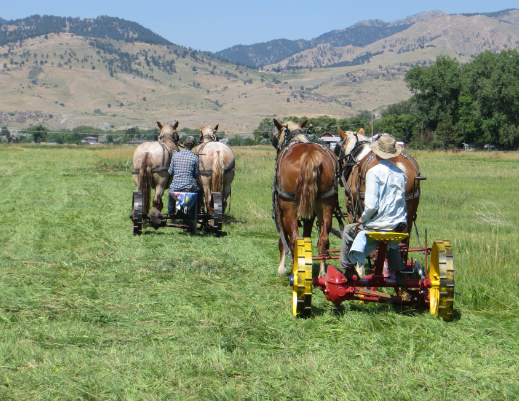
One of the most significant advantages of draft horses in eco-friendly farming is their ability to effectively till soil. Unlike tractors, draft horses use their weight and strength to plow fields without compacting the soil, thereby preserving its natural structure. This method not only aerates the soil but also enhances its ability to hold moisture and nutrients, which is critical for crop growth. Draft horses can easily navigate tight spaces and uneven terrains that modern machinery might struggle with.
Additionally, using draft horses allows farmers to practice sustainable soil management techniques such as crop rotation and minimal tillage. These traditional methods encourage biodiversity and reduce the risk of soil erosion. In areas where chemical inputs are limited, draft horses can support organic farming by reducing dependency on fossil fuel-powered machines.
-
- Assess your soil type to ensure it’s suitable for tilling with draft horses.
-
- Plan your crop rotation strategy to maximize soil health.
-
- Use a combination of draft horse and hand tools for precise tillage.
-
- Earmark specific days for tilling to maintain soil structure across seasons.
2. Efficient Transportation and Labor
Draft horses serve as a practical, energy-efficient means of transportation on farms. Their ability to haul loads of equipment, produce, or feed not only conserves fuel resources but also significantly reduces emissions. In hilly or rugged terrains, draft horses offer superior mobility over heavy machinery, which can become stuck or cause environmental degradation.
Moreover, employing draft horses can facilitate a closer connection between farmers and their land. Handling horses requires skill and care, fostering a more attentive approach to farming. This bond often translates into better land stewardship, ensuring that farming practices are considerate of the ecosystem. By integrating draft horses into daily operations, farmers can create a more resilient farming system that minimizes dependency on fossil fuels.
-
- Choose the right breed of draft horse for your transportation needs.
-
- Train horses in tandem with modern techniques to ensure efficiency.
-
- Incorporate draft horses into your daily farm operations to save time and resources.
-
- Establish a system to monitor horse health and productivity.
3. Nutrient Recycling and Composting
Draft horses contribute significantly to nutrient recycling on farms, primarily through their manure. Unlike synthetic fertilizers, horse manure is rich in organic matter, allowing it to improve soil fertility naturally. When composted, it can serve as an effective fertilizer, enriching the soil without the harmful effects often associated with chemical fertilizers. Incorporating this natural manure into your composting routine not only recycles nutrients but also nurtures beneficial microbial life.
Furthermore, the use of draft horses can integrate well into a larger sustainable farming system. For example, farms utilizing cover crops can benefit even more by using horse-drawn implements like seed drills or cultivators to plant and manage these crops. The synergy between draft horse labor and natural nutrient cycling enhances farm productivity while remaining ecologically sound.
-
- Collect horse manure regularly and prepare it for composting.
-
- Add carbon-rich materials (e.g., straw or sawdust) to balance nitrogen levels.
-
- Monitor compost temperature to ensure optimal breakdown.
-
- Apply compost to fields at the right season for maximum benefit.
Farming with draft horses exemplifies a holistic approach to agriculture that can coexist with modern practices and technologies. By integrating these gentle giants into their routines, farmers can improve soil health, reduce environmental impact, and build a more sustainable future.
As we continue to appreciate the significance of eco-friendly practices in agriculture, now may be the time to explore options for integrating draft horses into your farming routine. Consider consulting local agricultural experts or visiting nearby farms that utilize draft horses to gain further insights.