Draft horses are magnificent creatures, known for their strength and gentle demeanor. Understanding their running poses and motion analysis can enhance training techniques and improve their performance in various activities.
1. Understanding Draft Horse Gait Mechanics
Draft horses exhibit a unique set of gaits that are essential for their performance. Typically, these horses are known for their slow, powerful movements, which can differ significantly from those of lighter breeds. Analyzing their gait mechanics involves observing their natural positioning, stride length, and rhythm. This will help horse owners and trainers identify any irregularities or potential issues, which is vital for ensuring the horse’s well-being and efficiency.
The two primary gaits you’ll observe in draft horses are the walk, which is a four-beat gait, and the trot, a two-beat gait. During the walk, each foot hits the ground sequentially, providing stability and balance. The trot, however, showcases a more dynamic movement that requires proper coordination and strength, thus emphasizing the importance of motion analysis in training and competition.
-
- Observe your horse’s gait during various activities.
-
- Record footage to analyze movement patterns.
-
- Look for any signs of discomfort or irregularity.
-
- Consult a professional for detailed motion analysis if you notice issues.
2. Key Running Poses of Draft Horses
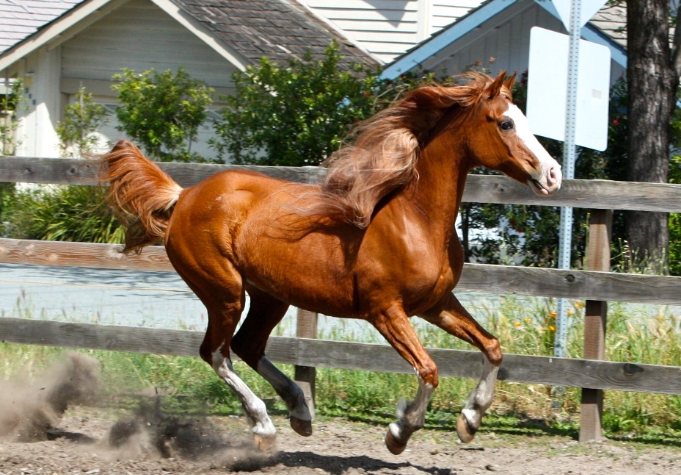
When observing draft horses in motion, it’s crucial to recognize their key running poses. One such pose is the “extended trot,” where the horse stretches its front legs forward while driving powerfully from the hindquarters. This pose not only looks impressive but also optimizes their gait efficiency, enabling them to cover ground effectively. Proper training can enhance this pose, allowing horses to perform in competitive settings or during exhibitions.
Another important pose is the “collected canter.” In this pose, the horse’s body becomes more compact, with shorter strides and a higher leg movement. This pose is essential for precision and agility, particularly when navigating through obstacles or tricky terrain. Analyzing these poses allows trainers to develop targeted exercises that help improve these skills.
-
- Encourage your horse to practice various poses during training.
-
- Utilize visual aids to help train specific movement styles.
-
- Pay attention to how your horse carries itself in different poses.
-
- Incorporate exercises that promote flexibility and strength.
3. Motion Analysis Techniques for Draft Horses
Motion analysis techniques vary in complexity, ranging from simple observational techniques to sophisticated video analysis. Basic observational methods include watching the horse in motion to identify signs of discomfort, uneven strides, or other anomalies. This simple technique allows trainers to provide immediate feedback to improve the horse’s performance and well-being.
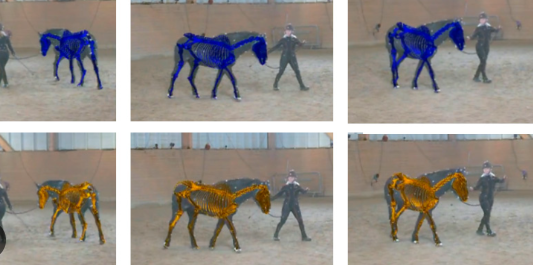
For those seeking a more detailed analysis, video recording becomes invaluable. By capturing different angles and speeds, you can identify asymmetries in movement and assess overall athleticism. Motion analysis software can even break down movements frame by frame, providing insights into the horse’s biomechanics. These analyses can reveal information such as stride length, footfall timing, and muscle engagement throughout the gait cycle, offering a comprehensive view of your horse’s performance.
-
- Utilize a tripod for steady video recording during motion analysis.
-
- Record from multiple angles to gather comprehensive data.
-
- Analyze footage with specialized software, if available.
-
- Compare your horse’s movements with industry standards for optimal performance.
4. Training Techniques to Enhance Performance
Incorporating specific training techniques can significantly improve a draft horse’s running poses and overall motion. Some exercises include hill work, which builds strength and endurance while promoting a natural, fluid gait. Additionally, lunging exercises can help horses learn to balance their movements, refine their gaits, and develop muscle memory required for optimal performance across multiple disciplines.
You should also consider engaging in a variety of lateral work, such as side-passing or leg-yielding. These exercises not only enhance coordination but also improve the horse’s overall agility and flexibility. Consistent practice of such exercises will lead to better overall performance during various activities, including plowing, pulling, or even competitive driving.
-
- Implement hill work and varied terrain into your training routine.
-
- Practice lateral movements to improve balance and agility.
-
- Set clear and achievable goals for each training session.
-
- Stay patient and consistent, allowing progress to develop naturally.
Understanding the dynamics behind draft horse running poses and motion analysis can greatly improve both performance and health. By applying these insights and techniques, you can foster a stronger, more capable horse that excels in its activities. Don’t hesitate to consult with equine professionals for further guidance tailored to your horse’s needs.