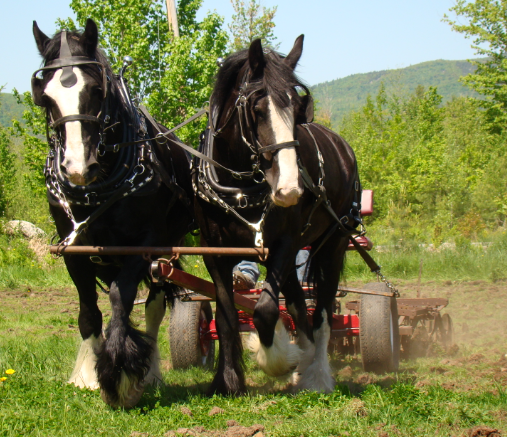
Draft horses possess a remarkable combination of strength and durability, making them ideal for a variety of heavy-duty tasks. Proper shoeing techniques play a critical role in maintaining their health and performance. This post delves into effective shoeing practices tailored specifically for these magnificent heavy breeds.
1. Understanding the Hoof Structure of Draft Horses
The hoof structure of draft horses differs significantly from lighter breeds. Draft horses have larger, broader hooves to support their mass and absorb the impact of their weight during work. This structure requires tailored shoeing techniques to ensure that their hooves remain healthy and functional.
Additionally, the hoof wall of draft horses can be thicker and more resilient, which means that traditional shoeing methods may not apply effectively. It’s essential to take precise hoof measurements and understand the specific needs of each horse, considering its weight, work style, and individual hoof conditions.
-
- Always assess the shape and size of the hoof before shoeing.
-
- Look for signs of cracks or abnormal wear patterns.
-
- Consult with a farrier who specializes in heavy breeds if uncertain.
-
- Regularly clean the hooves to prevent infections.
2. Selecting the Right Shoes for Heavy Breeds
Choosing the appropriate shoes is crucial for the comfort and performance of draft horses. Steel shoes are commonly recommended due to their strength and durability, especially in heavy working conditions. However, aluminum shoes can offer a lighter alternative, suitable for specific tasks where speed and agility are necessary.
Furthermore, customized shoes, like therapeutic or corrective ones, can address specific hoof issues while providing the required support. It’s important to weigh the pros and cons of each option based on the horse’s workload and individual hoof health.
-
- Opt for steel shoes for maximum durability, especially in rugged terrains.
-
- Consider aluminum shoes for competitive or speed-related tasks.
-
- Incorporate pads or wedges if additional support is needed.
-
- Be sure the shoe fits snugly without pinching the hoof.
3. The Importance of Regular Maintenance and Professional Help
Regular hoof maintenance is vital for draft horses, as neglect can lead to serious issues such as lameness or hoof disease. Establishing a consistent routine with a qualified farrier can make a huge difference in the horse’s overall hoof health. It’s recommended to have hooves trimmed and re-shod approximately every 6-8 weeks, depending on the individual horse’s growth rate and environment.
In addition to routine care, early diagnosis of hoof problems is essential. If a horse shows signs of discomfort or has trouble walking, it’s crucial to consult a vet or farrier immediately to prevent further complications.
-
- Schedule regular shoeing appointments every 6-8 weeks.
-
- Keep an eye on hoof balance and alignment between shoeing sessions.
-
- Look for signs of lameness and consult with professionals promptly.
-
- Maintain a clean environment to prevent infections.
In conclusion, ensuring that draft horses receive proper shoeing and hoof care is essential for their health and performance. By understanding their unique needs, selecting the right shoes, and maintaining a regular care routine, you can help these magnificent animals perform to the best of their abilities. Consider consulting a professional farrier to establish a tailored care plan for your draft horse.