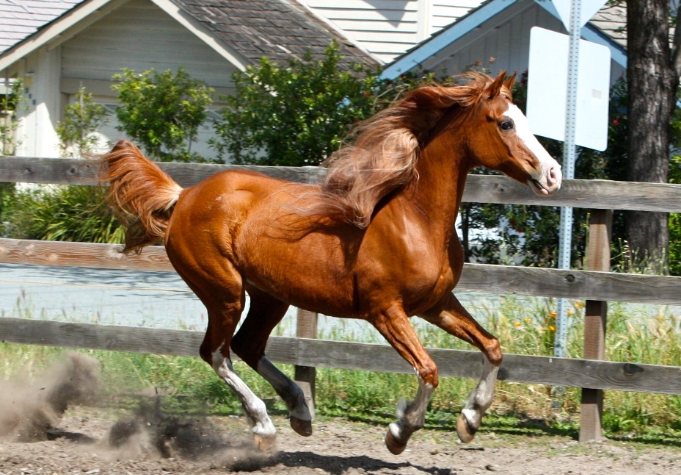
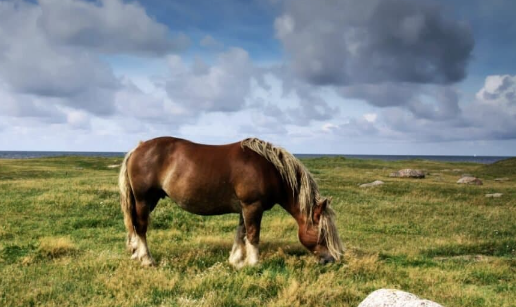
Draft horses, known for their impressive size and strength, often carry a reputation that can lead to misconceptions. Many people believe they are merely strong, powerful animals, but their capabilities extend beyond brute strength. In this post, we’ll explore some common myths surrounding draft horse strength and uncover the fascinating realities of these majestic animals.
1. Myth: Draft Horses Are Just Big and Strong
While it’s true that draft horses have substantial size and muscular features, their strength is not solely derived from their mass. Draft horses are bred for endurance and versatility. For example, a Clydesdale can pull up to 8,000 pounds on a flat surface due to its powerful build, but this is only part of the story. They are not just strong; they also have excellent stamina, allowing them to work longer without tiring compared to some other horse breeds.
The characteristics that contribute to the strength of draft horses are also found in their temperament. They are generally calm and easy to handle, which makes them well-suited for labor-intensive tasks. Unlike some breeds that may become restless or anxious, draft horses remain focused and composed. This combination of power and steady temperament makes them ideal for jobs that require both strength and reliability.
-
- Understand that strength is not just size; consider stamina and temperament.
-
- Research specific breeds to learn about their unique abilities.
-
- Observe a draft horse in action to appreciate its endurance.
-
- Inquire about training and handling techniques to maximize their strengths.
2. Myth: Draft Horses Are Meant Only for Heavy Lifting
A common misconception is that draft horses can only perform heavy lifting tasks, such as plowing fields or hauling loads. While they excel at these tasks, their capabilities extend to various other activities, including riding and participation in competitions. For instance, many draft horses are trained for dressage or show jumping, demonstrating their agility and versatility.
One interesting aspect of draft horse training is their participation in pulling competitions, where nuances of strength are tested in different scenarios. These events not only showcase their pulling power but also their ability to work efficiently with a driver. This versatility highlights that draft horses can be integrated into multiple equestrian disciplines and can adapt their skills based on training.
-
- Explore various disciplines where draft horses can excel beyond heavy lifting.
-
- Consider taking lessons with a draft horse to experience their versatility firsthand.
-
- Engage in pulling competitions or agricultural shows to see them in action.
-
- Consult with trainers about specialized training programs for draft horses.
3. Myth: Draft Horses Don’t Require Special Care
An often-overlooked reality is that draft horses require specialized care and attention to maintain their health and performance. Due to their large size, they are more prone to certain health issues, including laminitis and colic, making regular veterinary check-ups essential. Proper nutrition is also vital; they need a balanced diet rich in fiber and nutrients to support their weight and energy levels.
Care for draft horses goes beyond food and general health precautions. Regular exercise tailored to their needs is essential, as their size can affect joint health. Weight management is crucial; excess weight can lead to serious health problems. By integrating both physical and dietary care strategies, owners can keep these giants healthy and thriving.
-
- Schedule regular veterinary visits to monitor health.
-
- Implement a balanced diet specifically for draft horses.
-
- Ensure regular exercise is included in their care regimen.
-
- Monitor weight closely to avoid health complications.
4. Myth: All Draft Horses Are the Same
Many people often assume that all draft horses share the same capabilities and characteristics, but this is far from accurate. There are various breeds within the draft horse category, such as Percheron, Shire, and Belgian, each with distinct traits and strengths. For example, Belgians are known for their raw power and ability to pull large weights, while Percherons are recognized for their agility and speed.
Understanding the differences among these breeds illustrates that draft horses can be chosen based on specific tasks or preferences. Some breeds may perform exceptionally well in plowing tasks, while others excel in exhibitions or entertainment. Knowing these distinctions helps prospective owners choose a draft horse that meets their particular needs.
-
- Research the different draft horse breeds and their specific strengths.
-
- Consider your intended use for the horse when selecting a breed.
-
- Consult experienced breeders or trainers for detailed breed information.
-
- Attend breed shows to see the differences firsthand.
In conclusion, draft horses are incredible animals with a range of capabilities. Understanding the truths about their strength, versatility, and care is essential for anyone interested in these majestic creatures. By acknowledging the myths and embracing the facts, you can develop a deeper appreciation for draft horses and potentially embark on a rewarding journey with one of these magnificent animals.