Draft horses have long held a significant place in European cultural expression, especially within rural art. Their presence in paintings and visual traditions goes far beyond aesthetics, reflecting agricultural practices, social structures, and the essence of countryside life. Exploring their symbolism offers valuable insight into the history and values of European rural communities.
The Symbol of Strength and Labor
In European rural art, draft horses are most commonly portrayed as powerful symbols of strength and endurance. These animals were indispensable for farming and transportation, forming the backbone of agrarian economies.
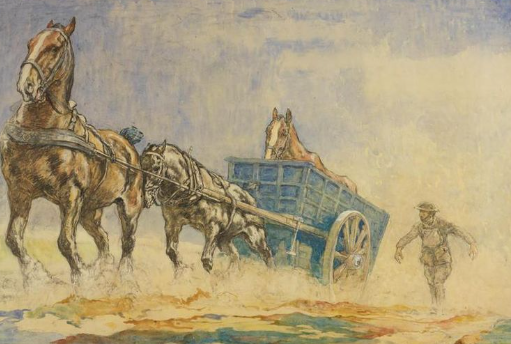
Artists frequently depicted them plowing fields or pulling heavy loads, emphasizing their physical power and tireless work ethic. In works from the Dutch Golden Age, for example, draft horses appear alongside farmers, illustrating a deep partnership between humans and animals. This imagery conveys not only labor but resilience, highlighting the shared struggle and productivity that defined rural existence.
A Representation of Tradition and Community
Beyond their role in labor, draft horses symbolize tradition and collective identity. Many artworks capture them in scenes of harvest festivals or seasonal celebrations, where they stand as representations of shared effort and communal success.
From pastoral compositions by Claude Monet to the expressive rural scenes of Vincent van Gogh, draft horses appear as integral elements of daily life. These depictions reinforce generational continuity and the importance of cultural rituals, illustrating how deeply intertwined these animals are with community heritage.
Artistic Techniques and the Evolution of Portrayal
The depiction of draft horses has evolved across artistic movements. Early European artists focused on anatomical precision and scale, capturing the grandeur of these animals with realism and detail.
During the Romantic period, however, the focus shifted toward emotional expression. Artists began to portray the bond between humans and horses with softer lines and more dynamic compositions, emphasizing companionship and connection rather than purely labor. This evolution reflects a broader shift in artistic priorities—from documentation to emotional storytelling.
The Draft Horse as a Cultural Icon
Draft horses also function as enduring cultural icons across Europe. They remain central to agricultural fairs, parades, and heritage festivals, particularly in countries like Belgium and Germany.
Their symbolic importance extends into visual culture, where representations such as draft horse statues often commemorate their historical role and enduring legacy. These sculptures, along with paintings and other artworks, celebrate not only the animals’ strength but also their grace and contribution to regional identity. Through such representations, communities preserve their rural traditions and express pride in their cultural roots.
Conclusion
The symbolism of draft horses in European rural art reveals a rich narrative of strength, tradition, community, and cultural identity. By examining these representations across different artistic periods, one can gain a deeper appreciation for the essential role these animals have played in shaping rural life.
Engaging with museums, galleries, and cultural events offers a meaningful way to further explore this subject and connect with the enduring legacy of draft horses in European heritage.